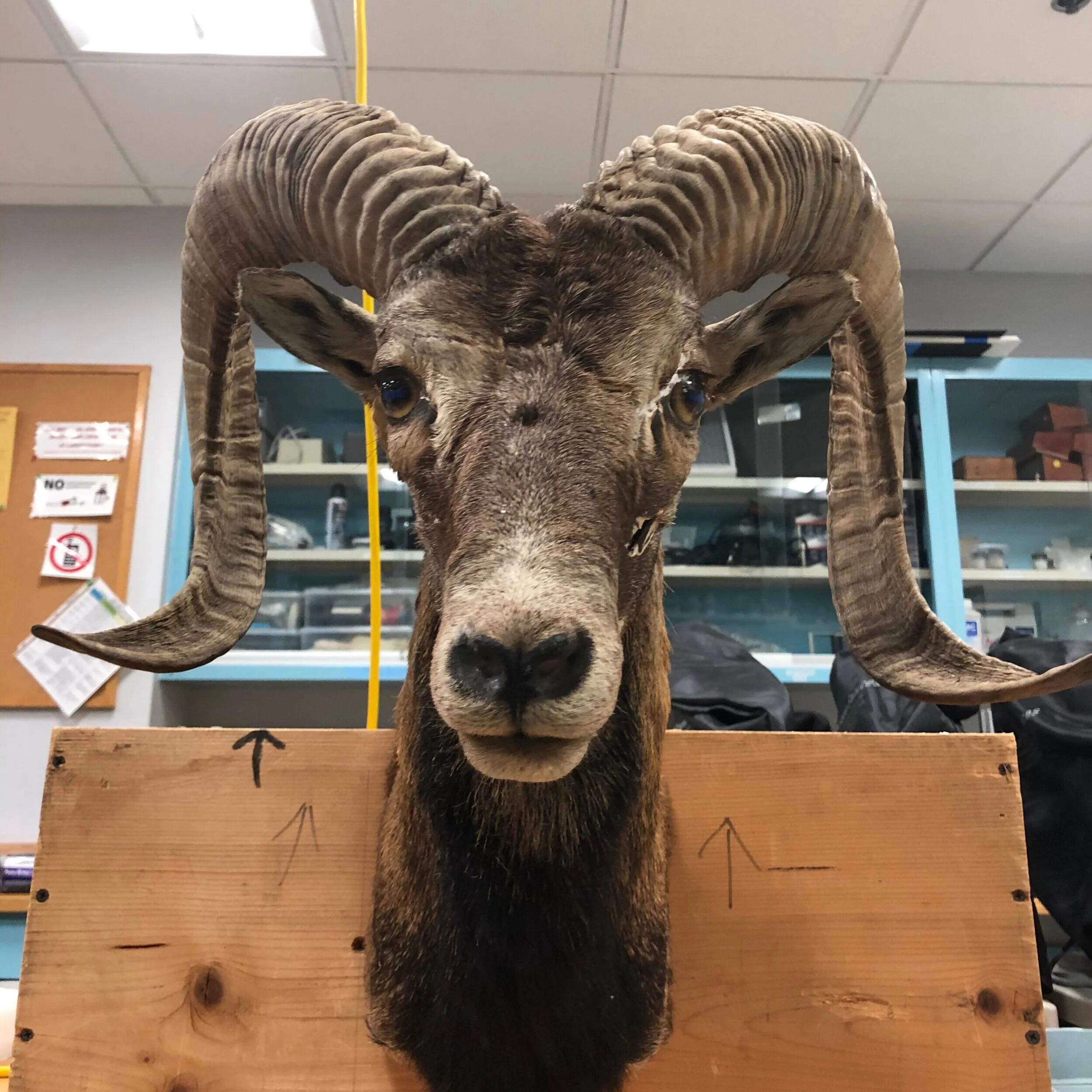
Mouflon Taxidermy Shoulder Mount
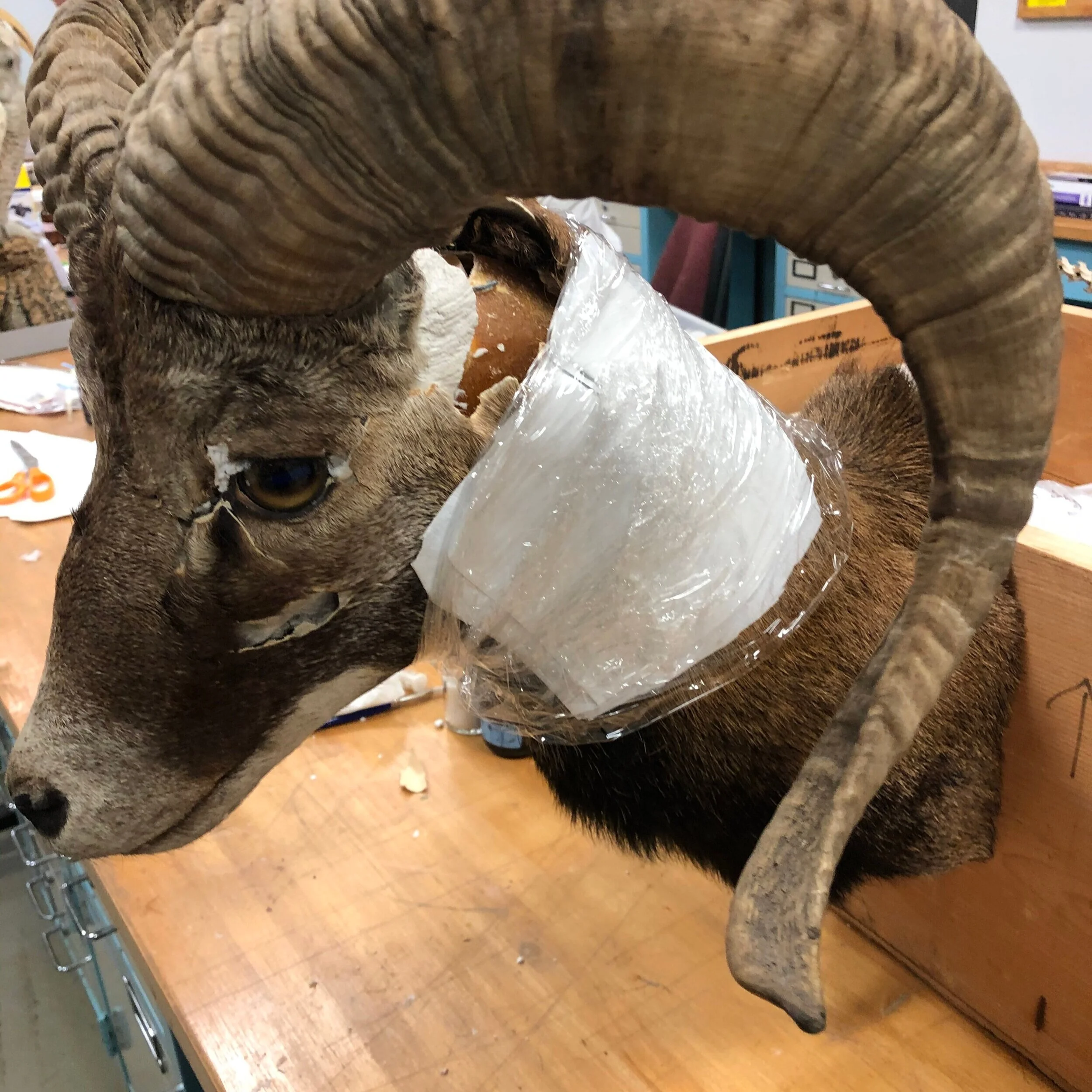
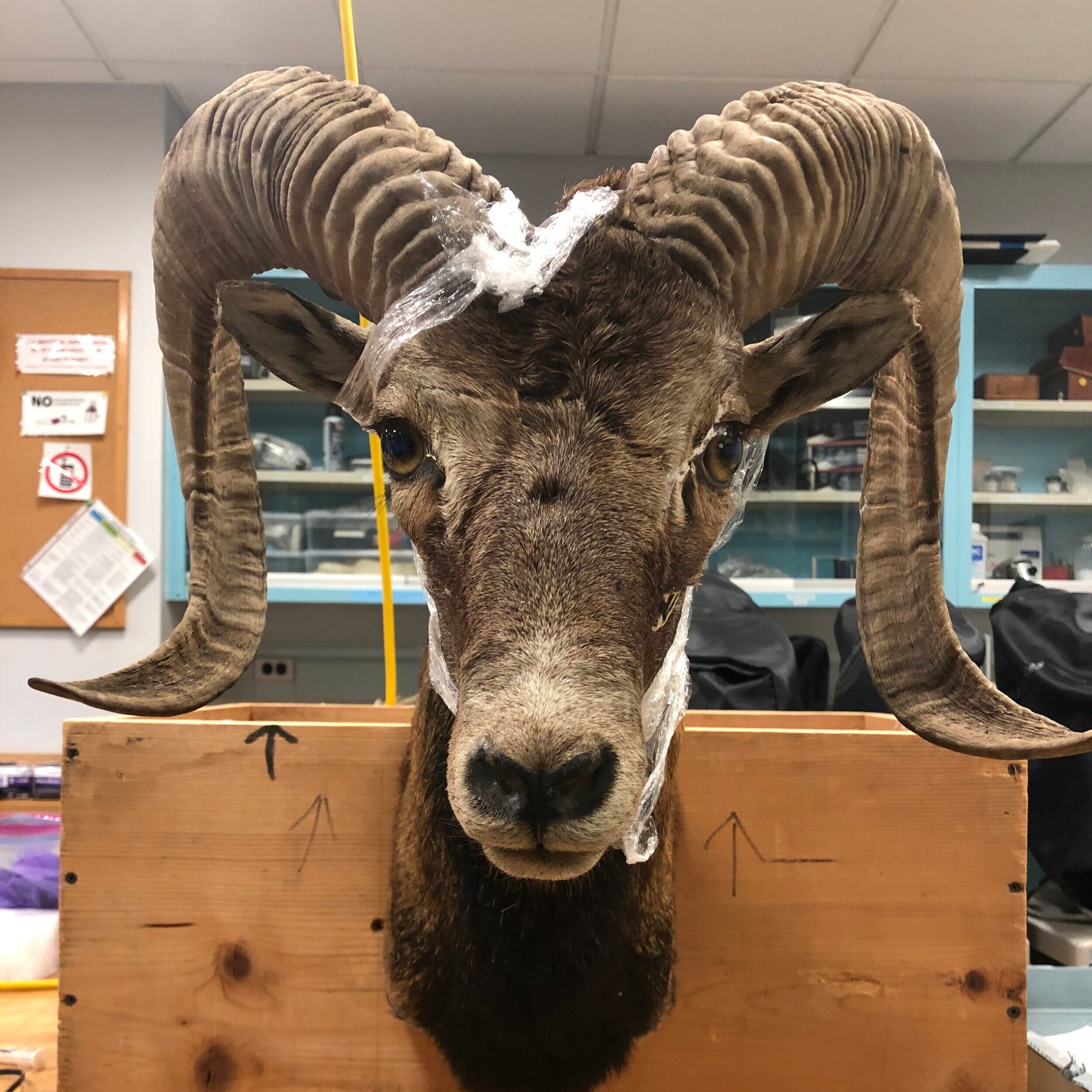
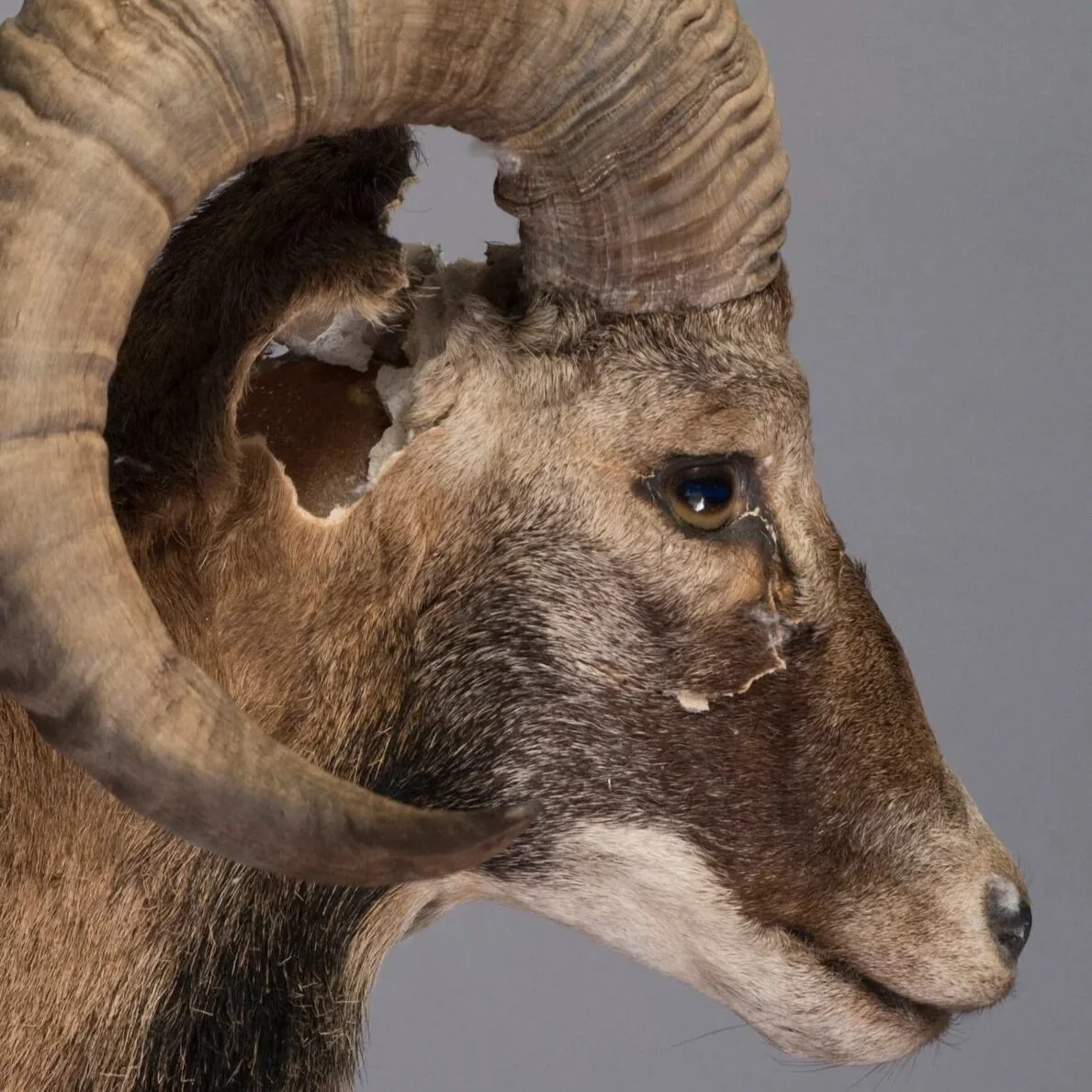
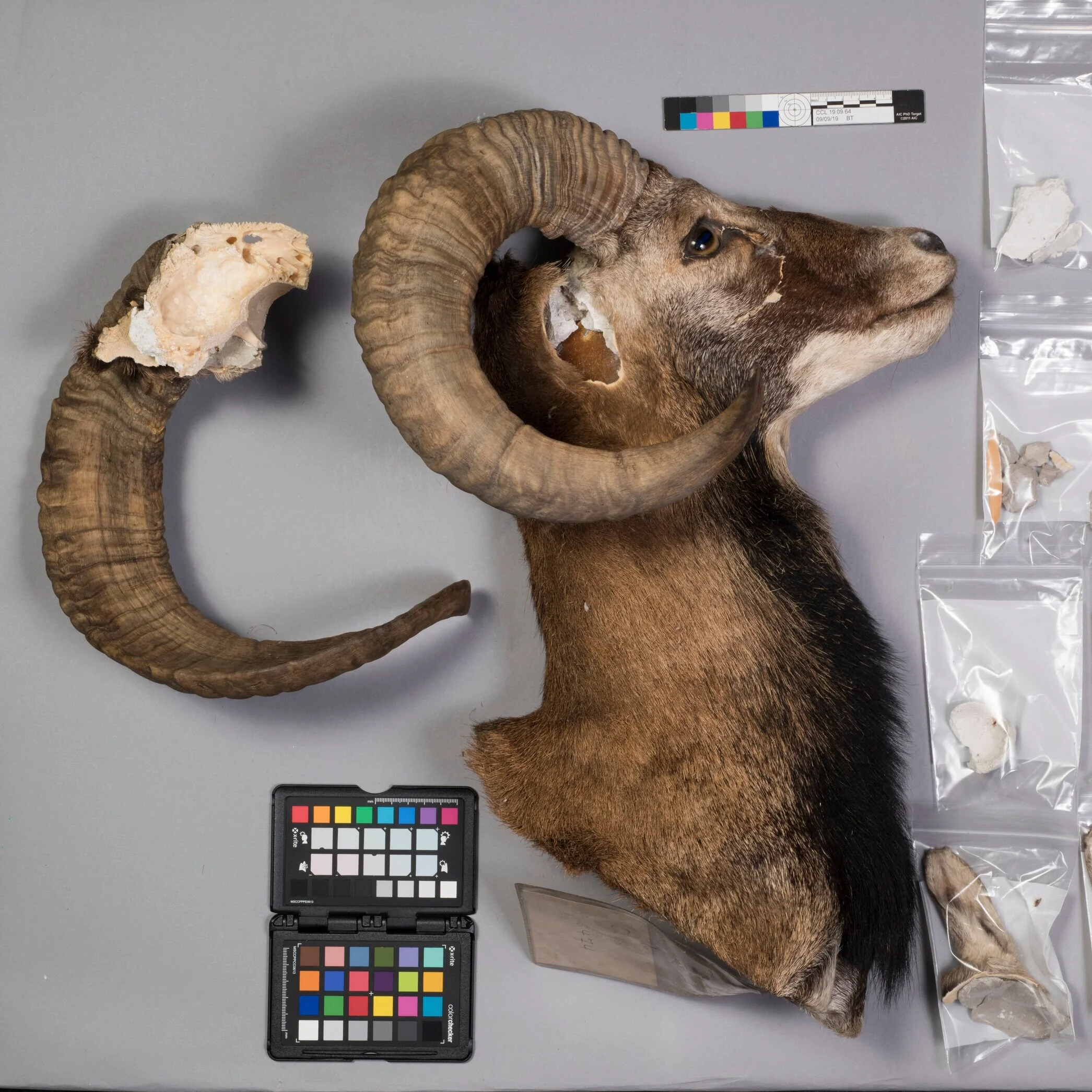
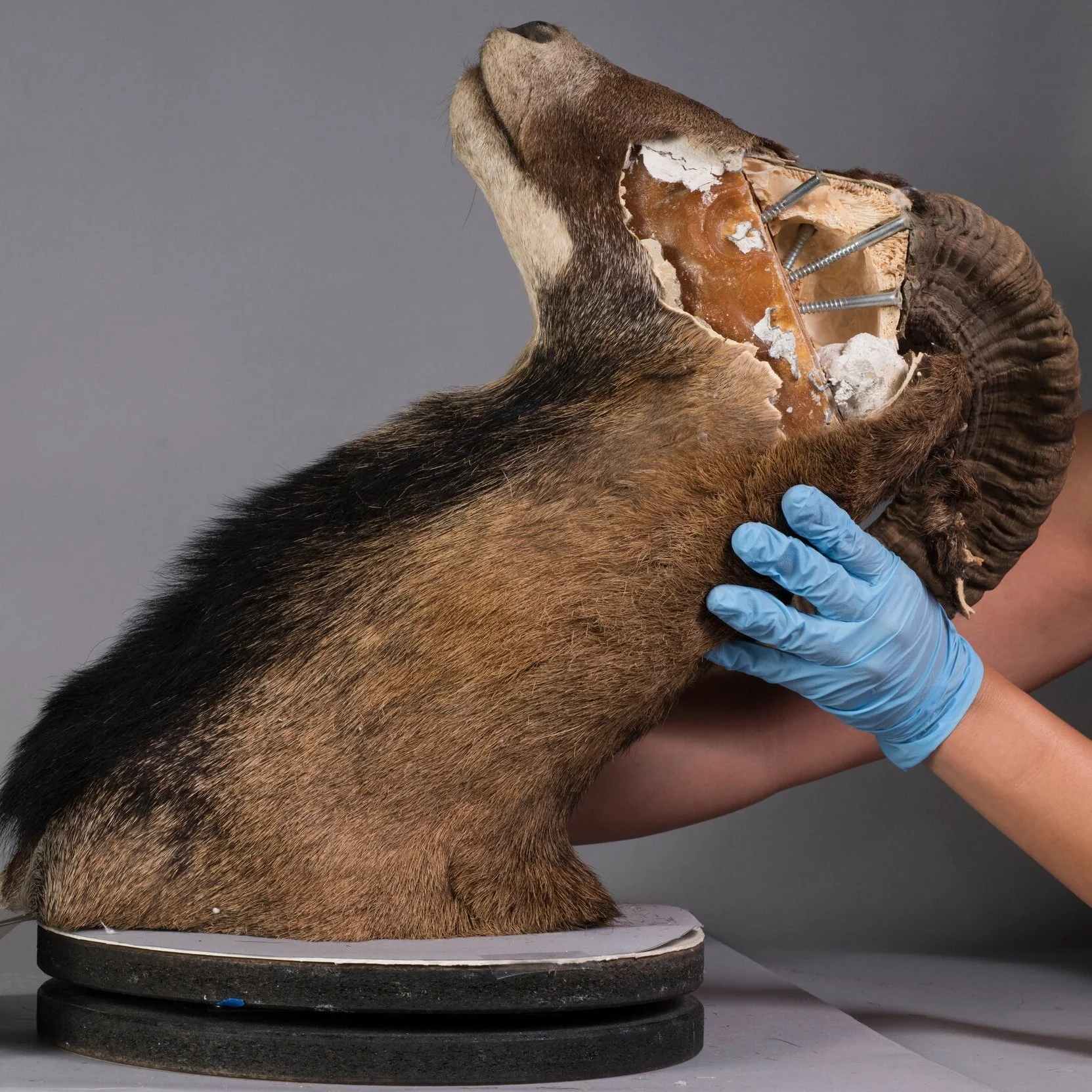
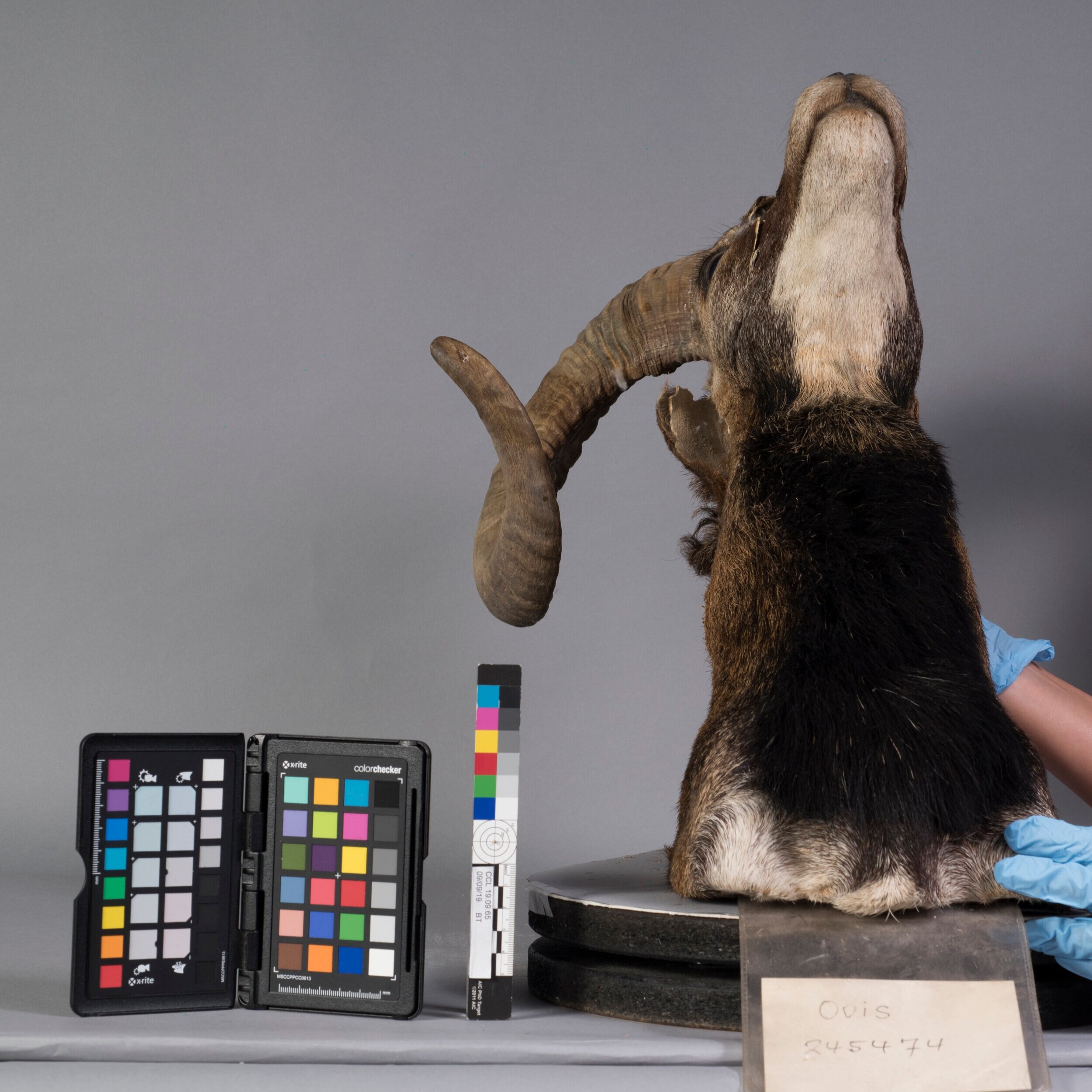
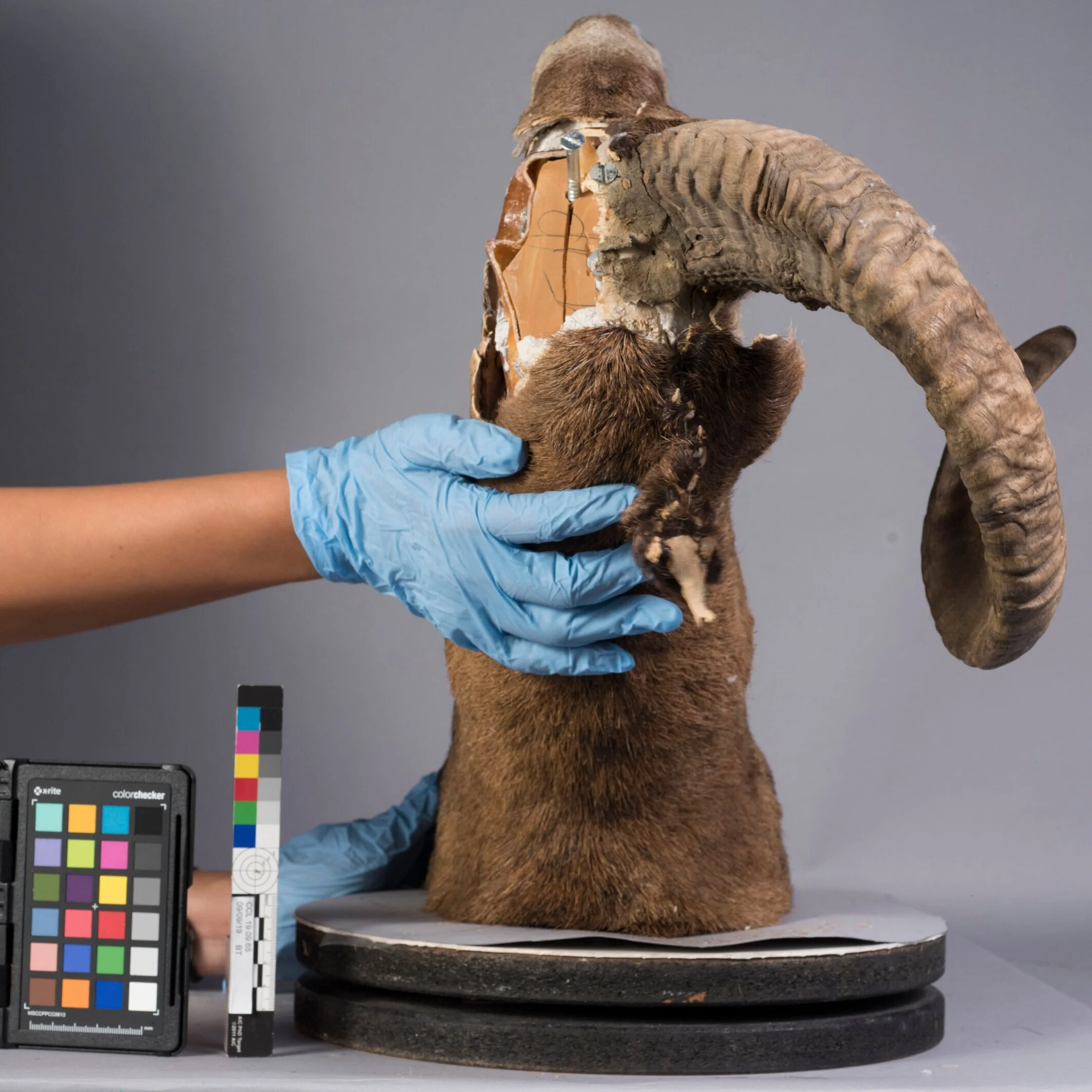
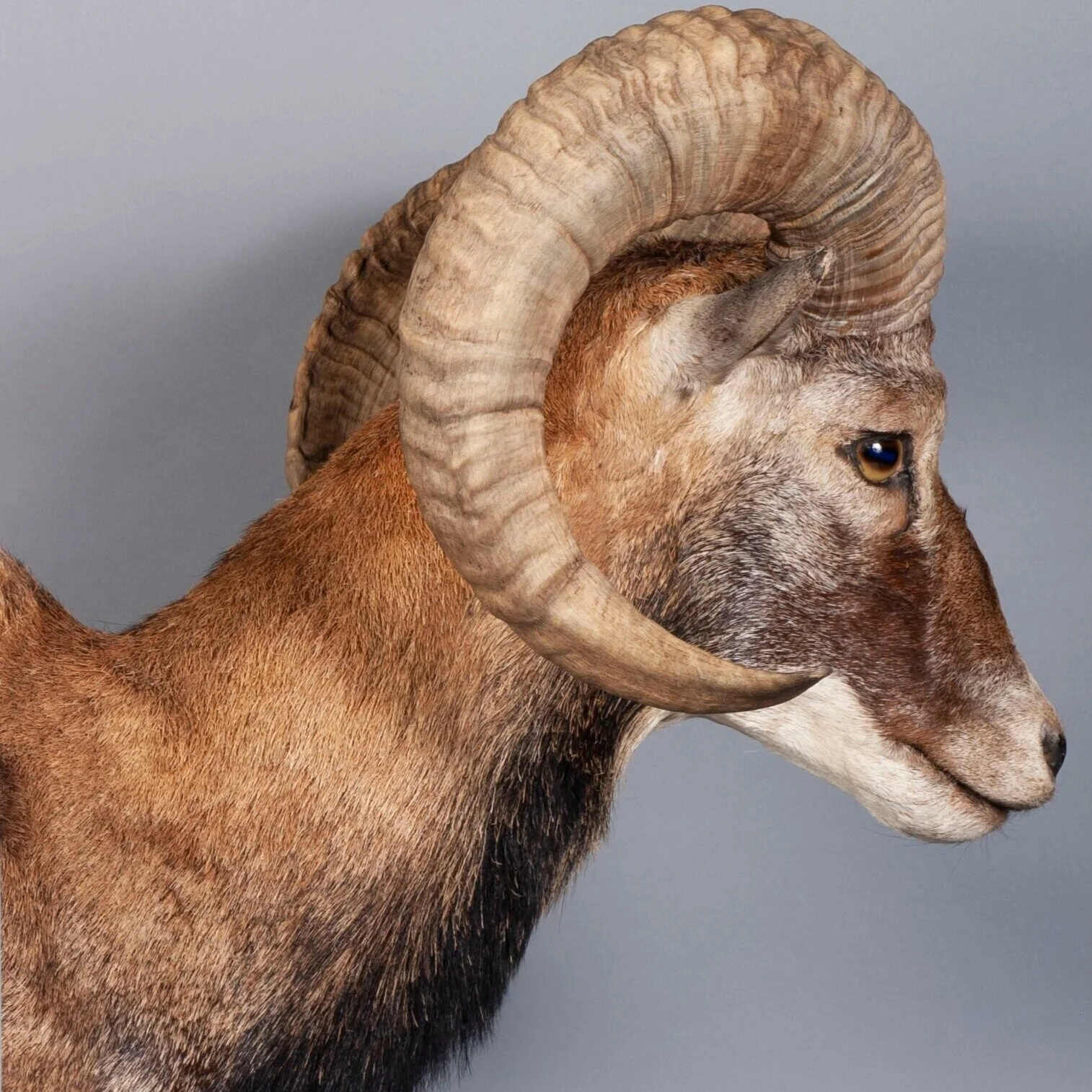
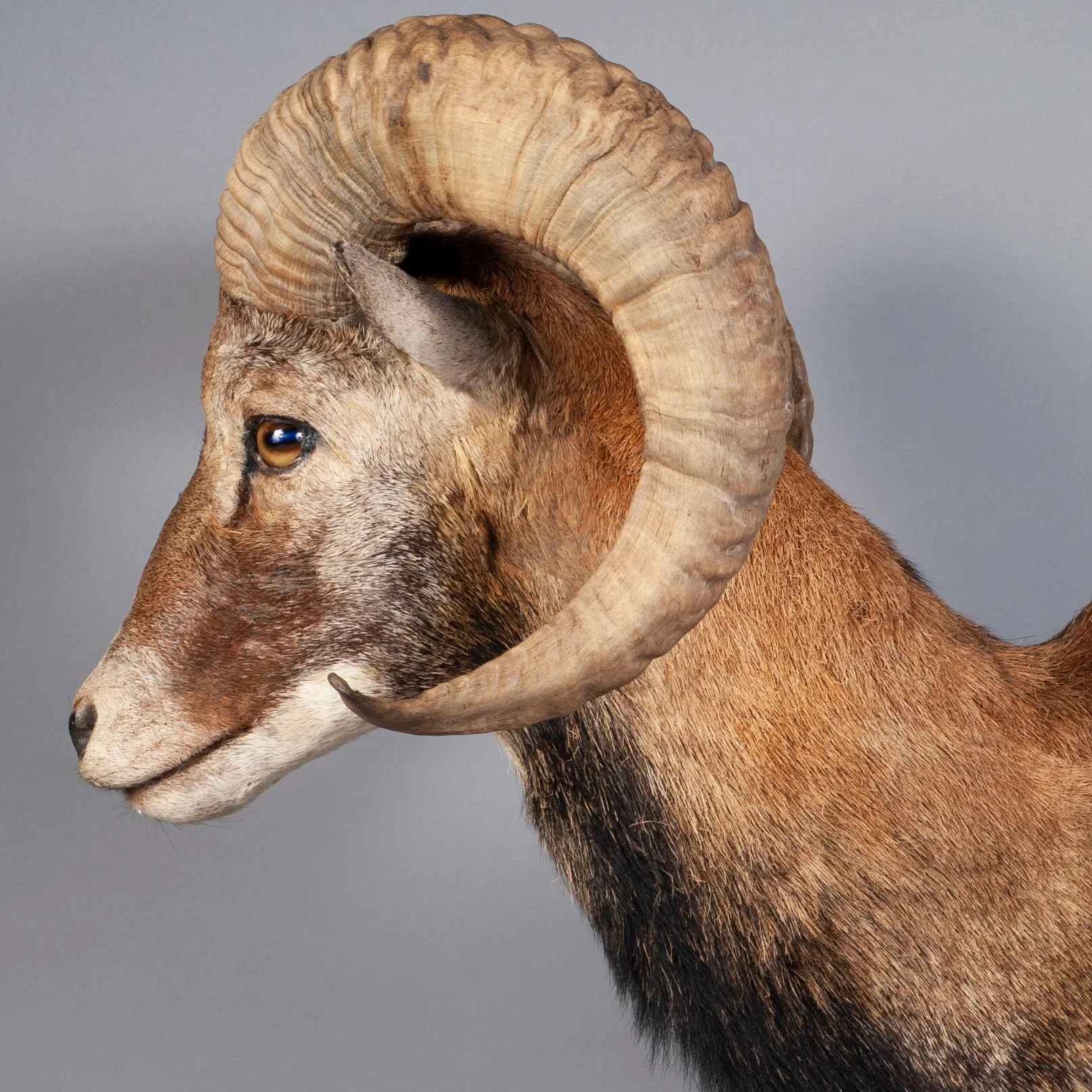
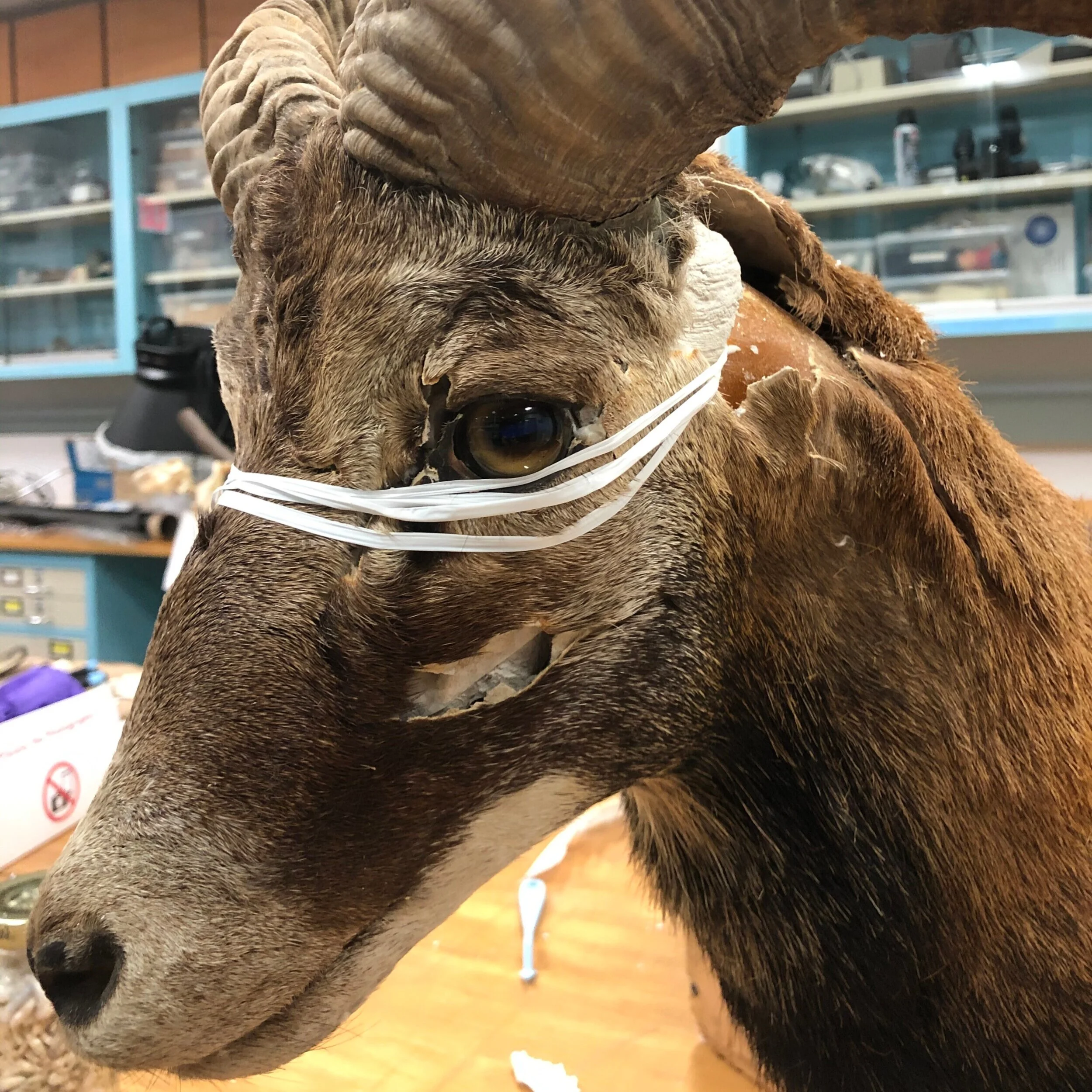
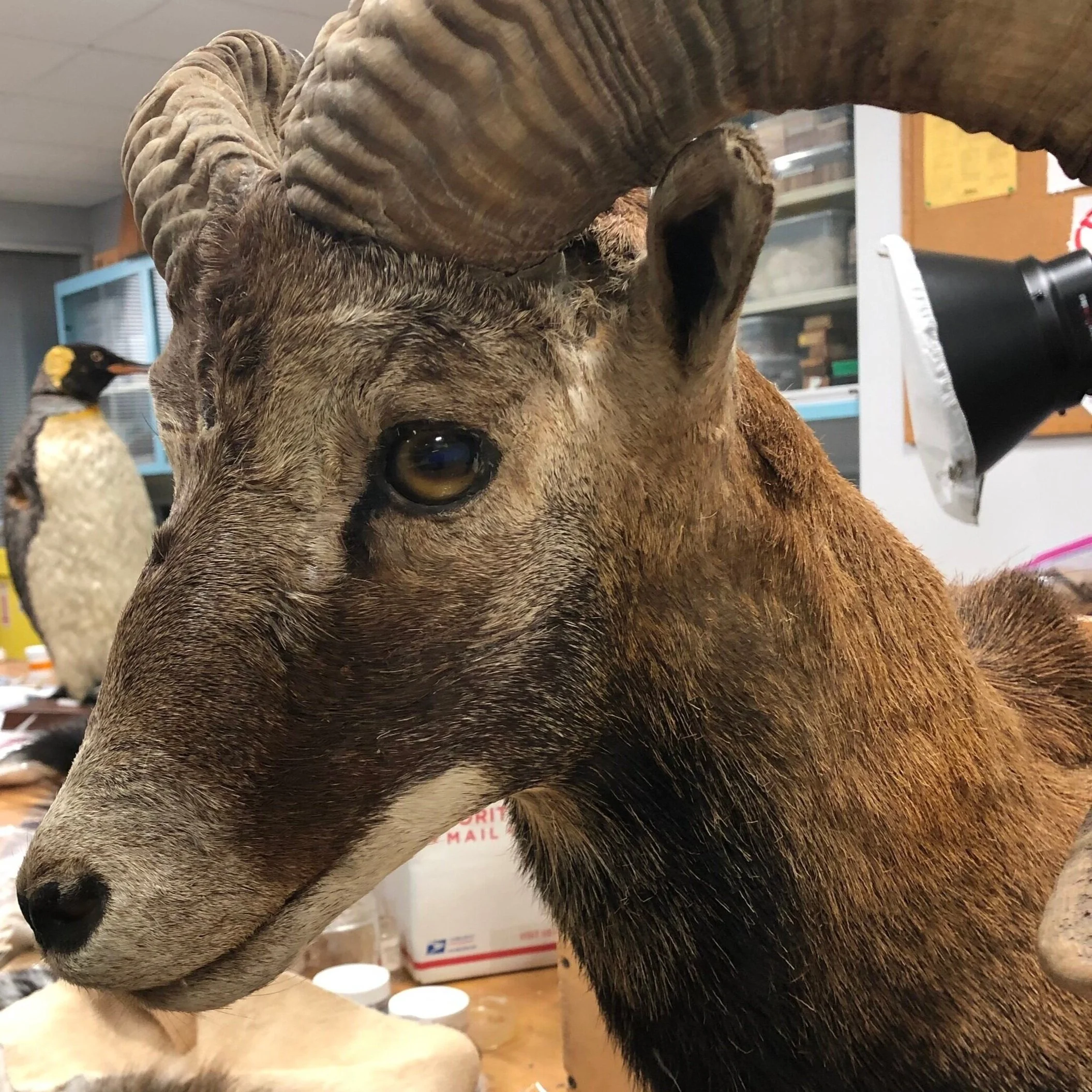
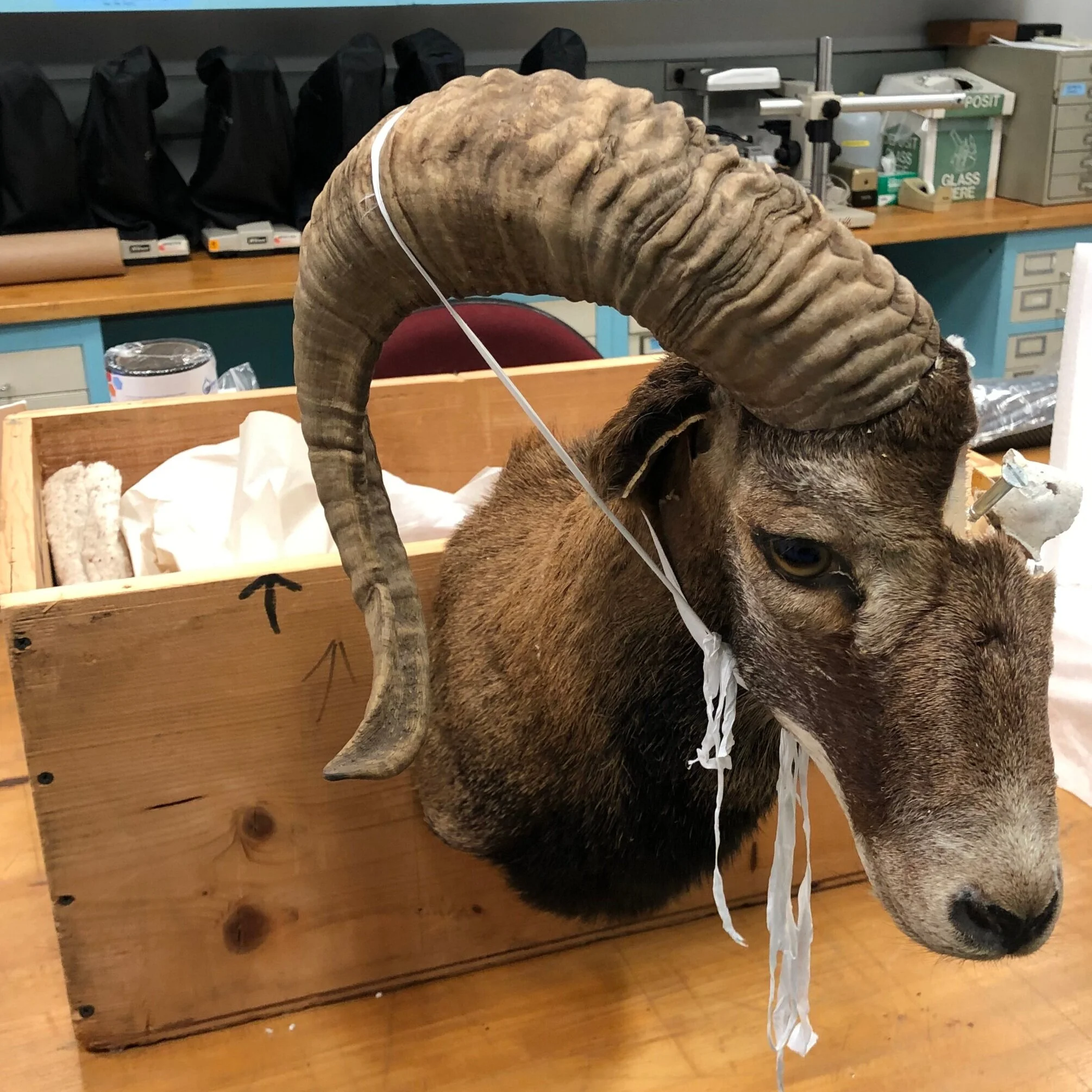
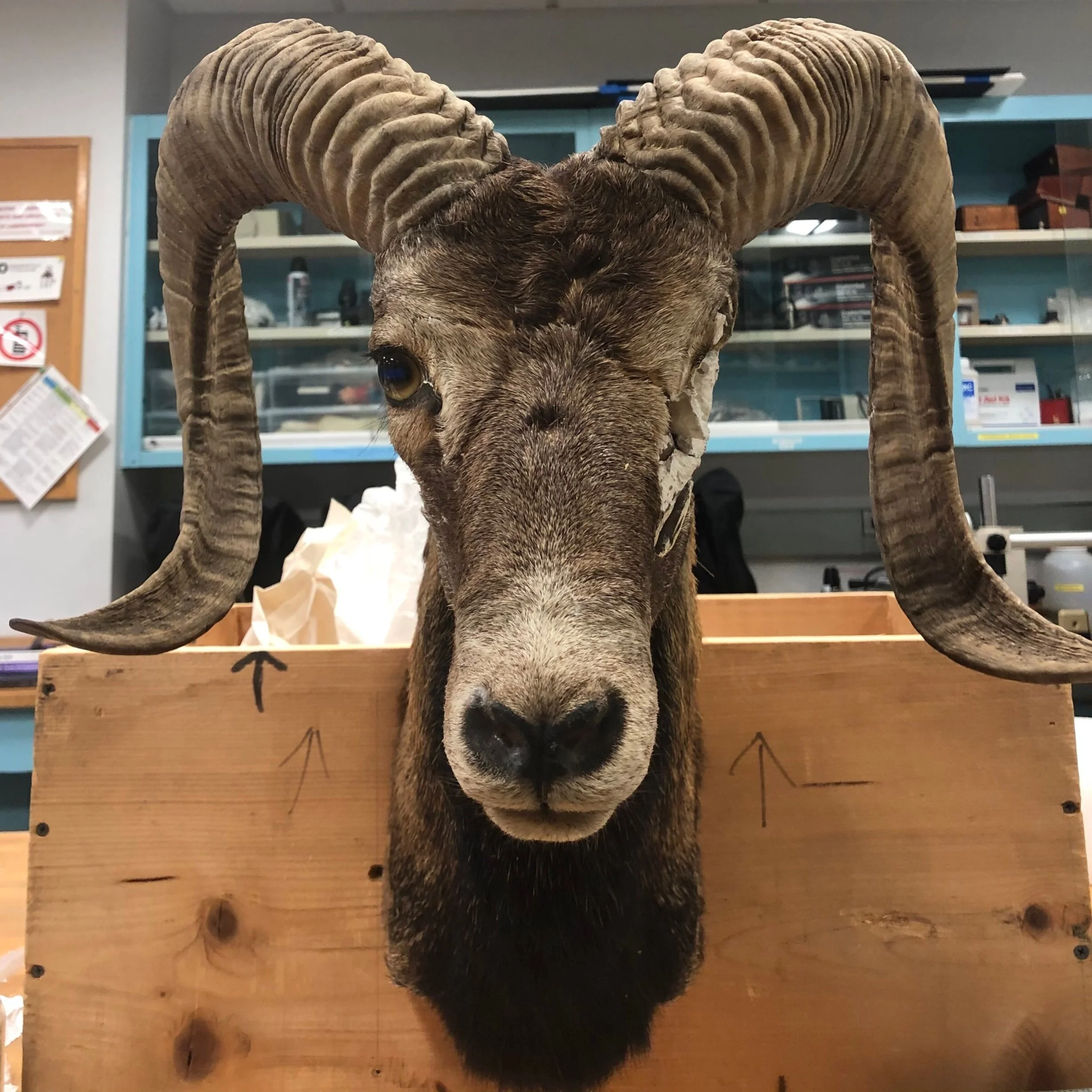
In the fall of 2019, I treated a shoulder mount from the American Museum of Natural History as part of a course on natural science collections. The object was a Mouflon, a subspecies of Ovis orientalis believed to be the ancestor of domestic sheep. The mount had previously been displayed about ten feet above the floor in the office of Neil Duncan, the Mammalogy Collections Manager at the museum. Unfortunately, due to improper mounting, the specimen fell from the wall and shattered into 49 pieces.
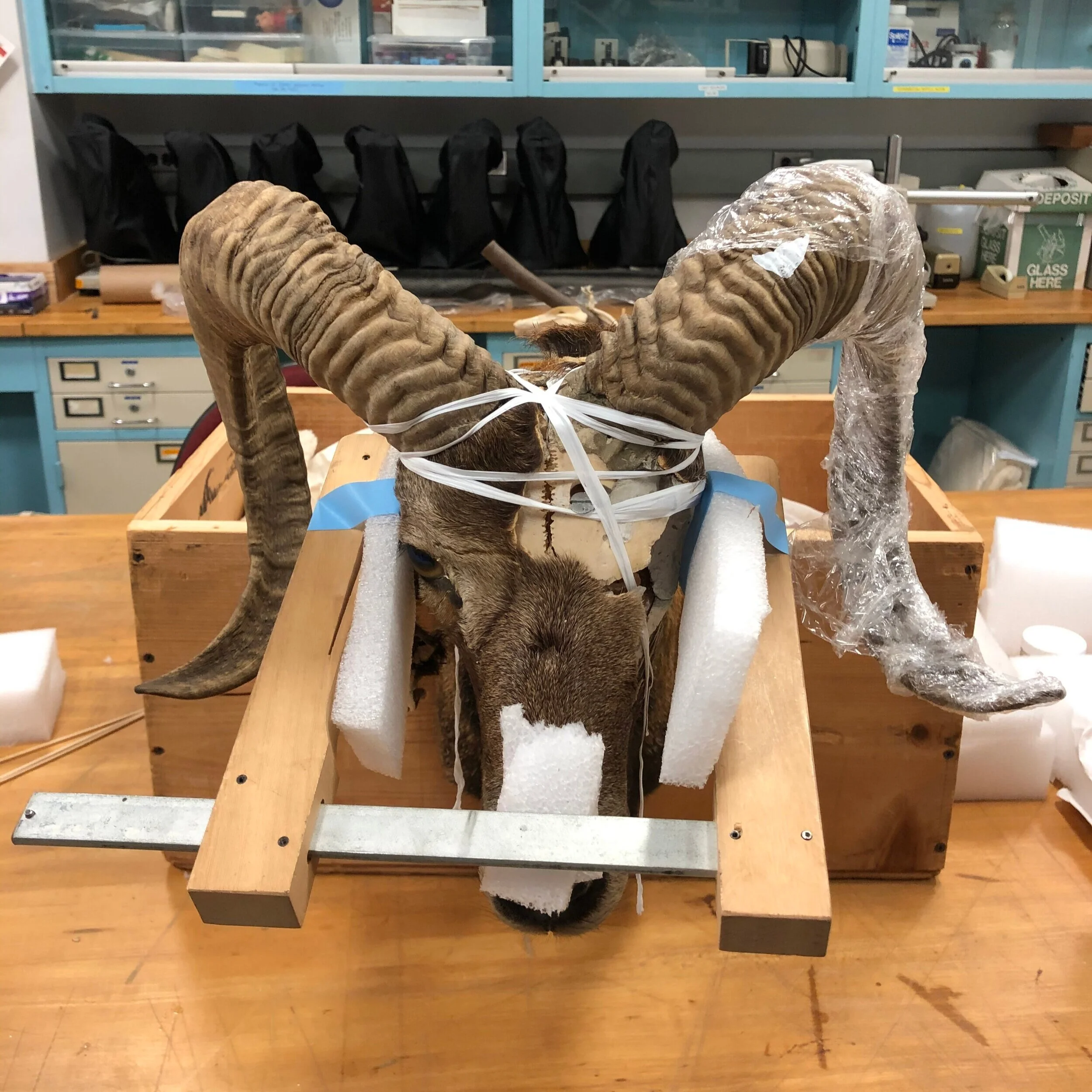
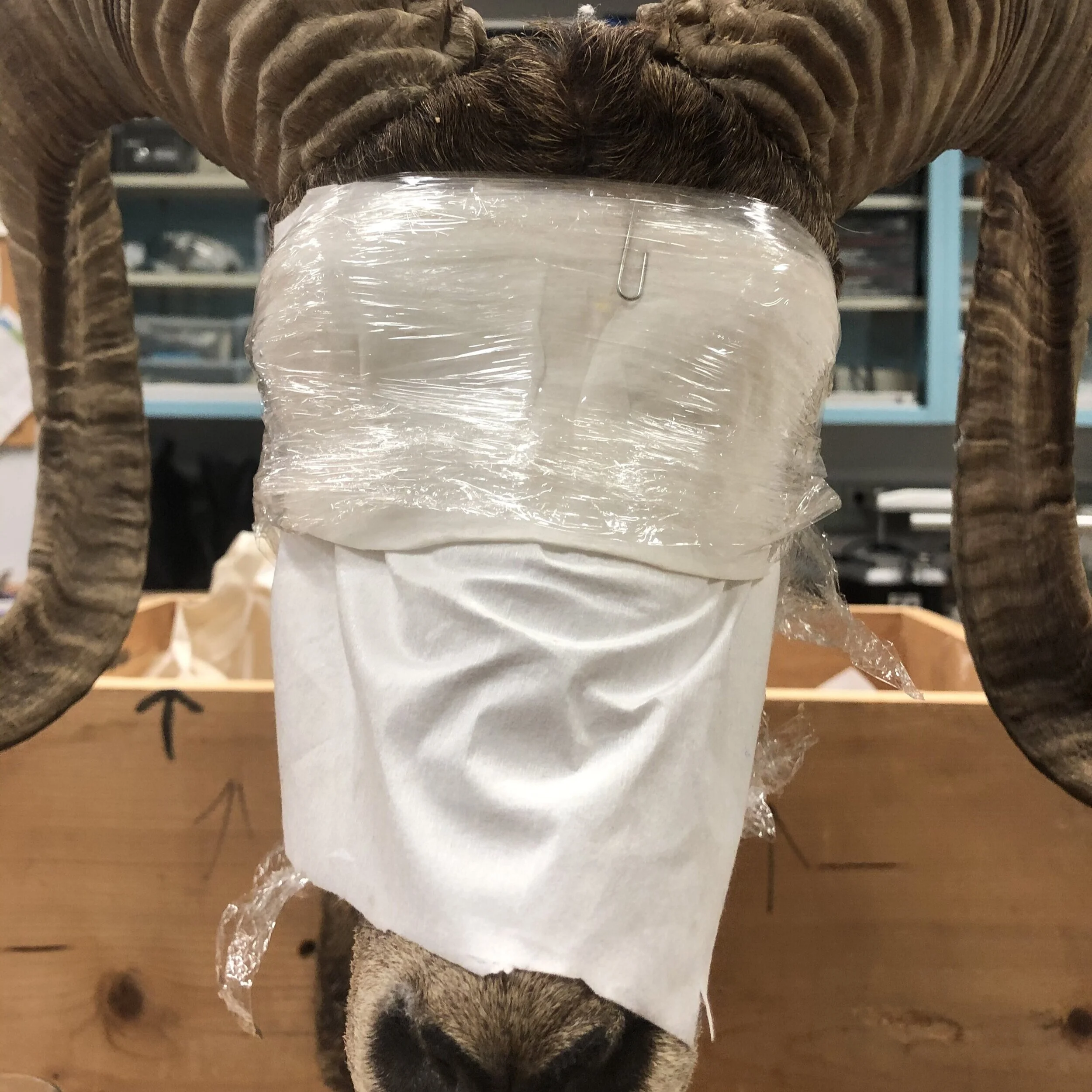
The treatment was complex and required extensive problem-solving. Because the taxidermy mount was constructed from a range of different materials, I had to carefully consider how any introduced materials would interact with the existing structure. A key challenge was designing an appropriate internal support system to safely reattach the horn while maintaining the integrity of the specimen.
I later presented this treatment at the 2021 virtual meeting of the American Institute for Conservation and the Society for the Preservation of Natural History Collections. A postprint describing the project was published in 2024 in the Objects Specialty Group Postprints, Volume 28.
Before Treatment Images
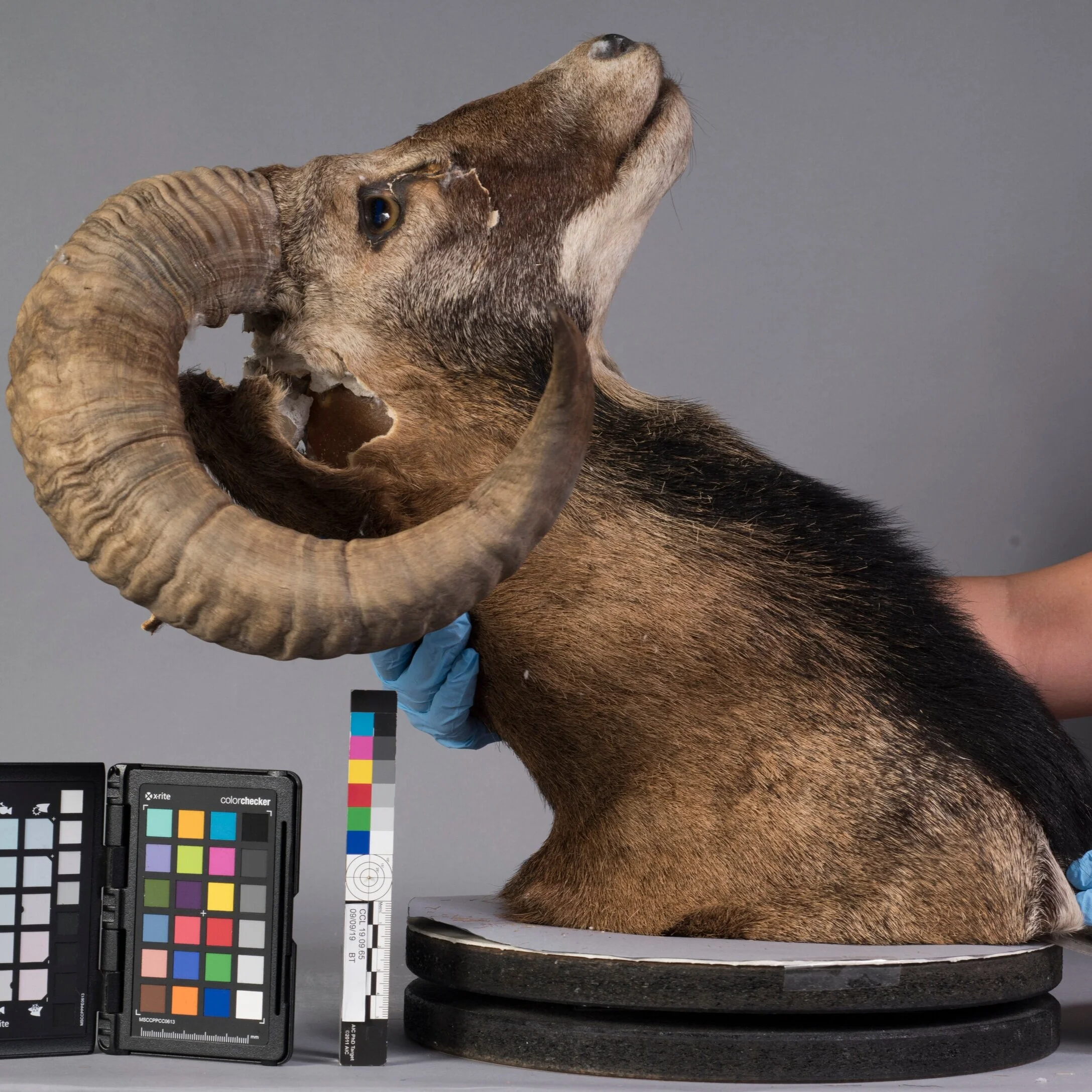
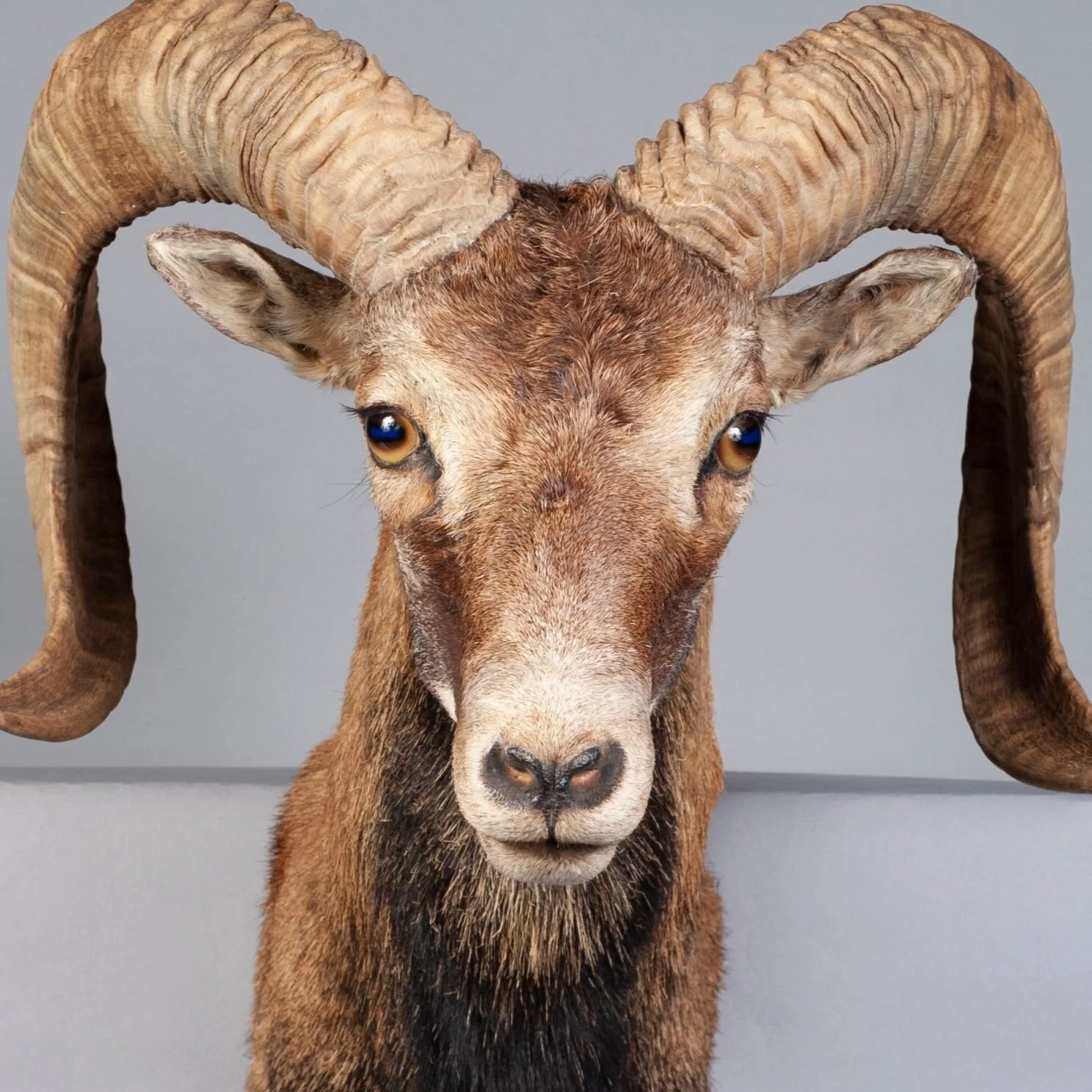
After Treatment Images
Construction of the Shoulder Mount
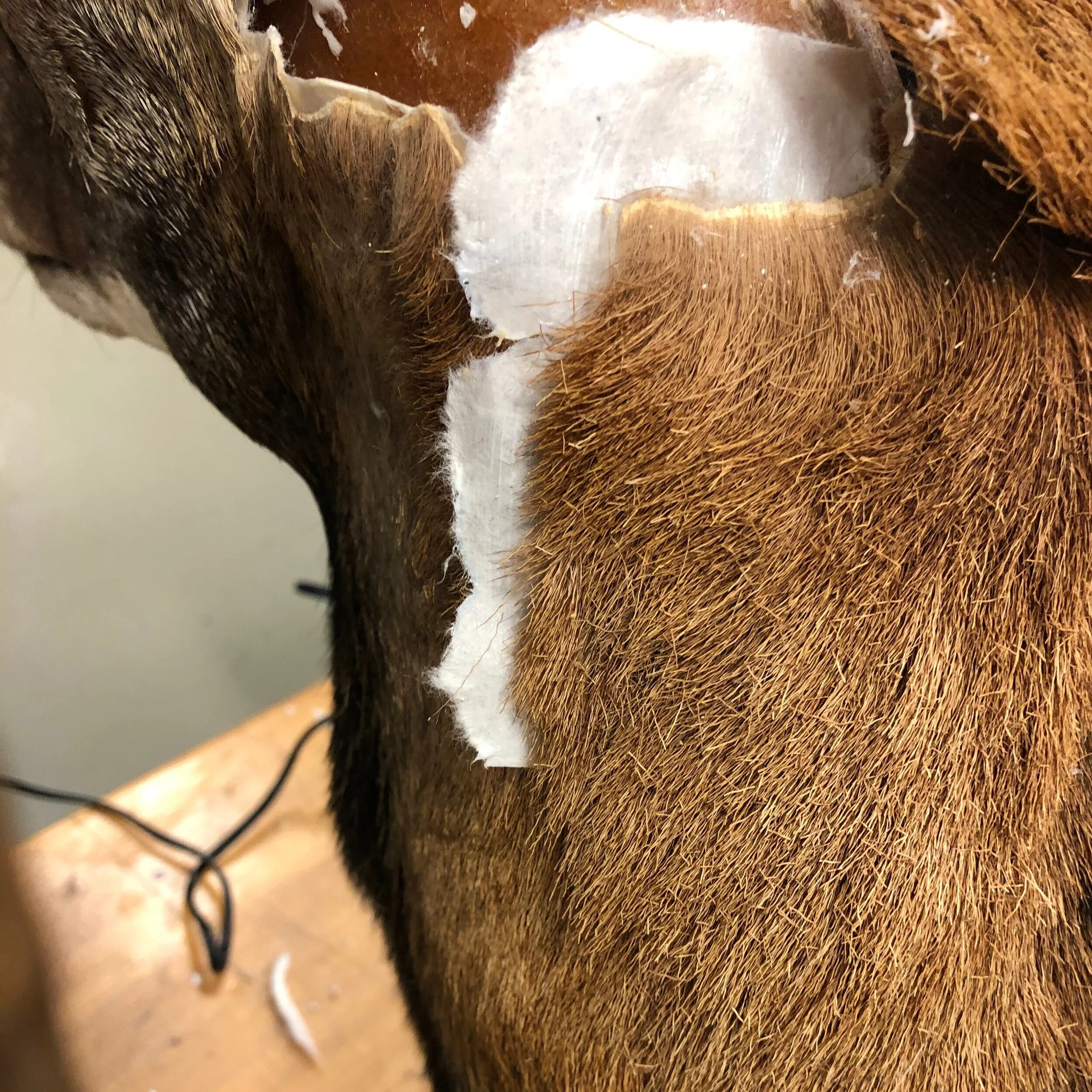
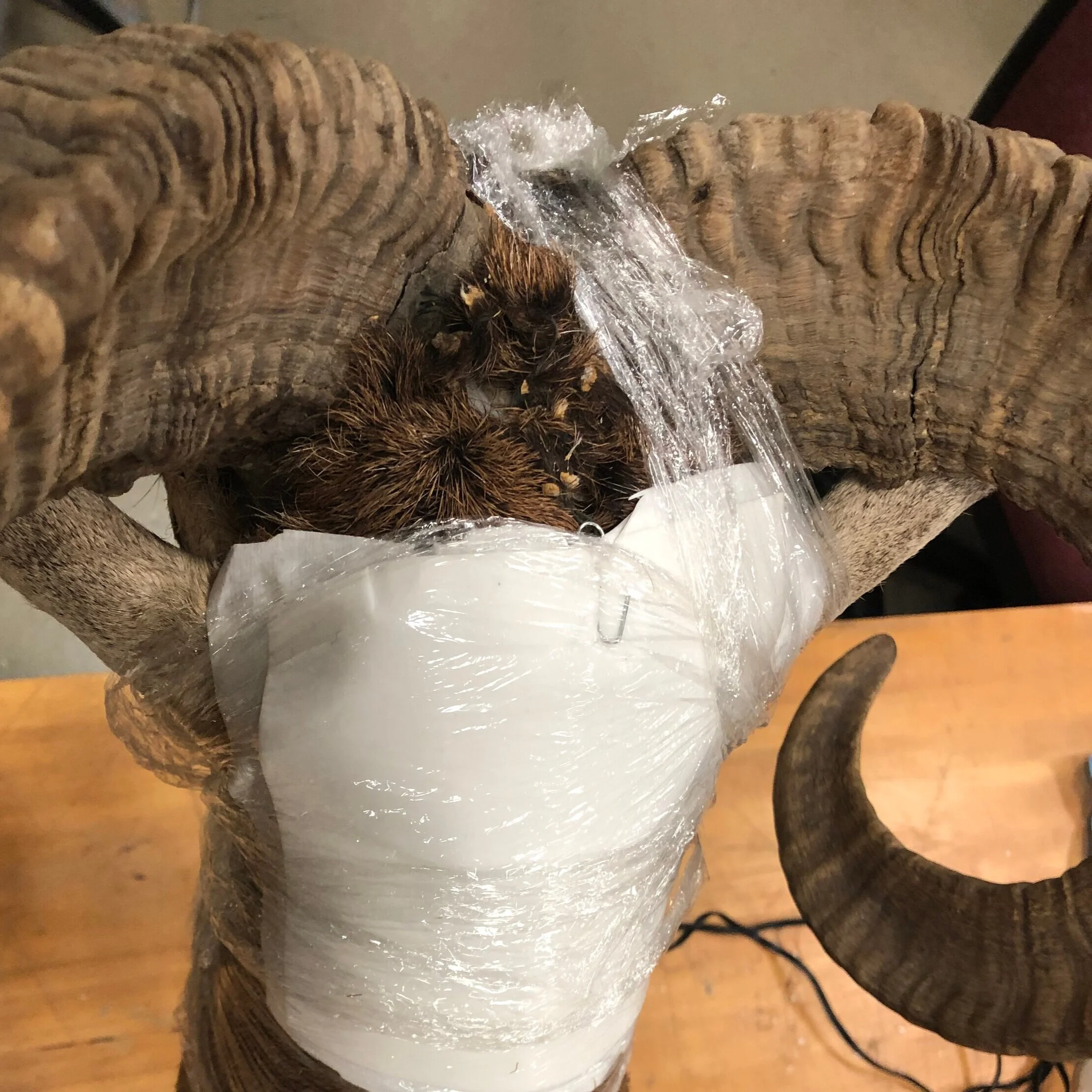
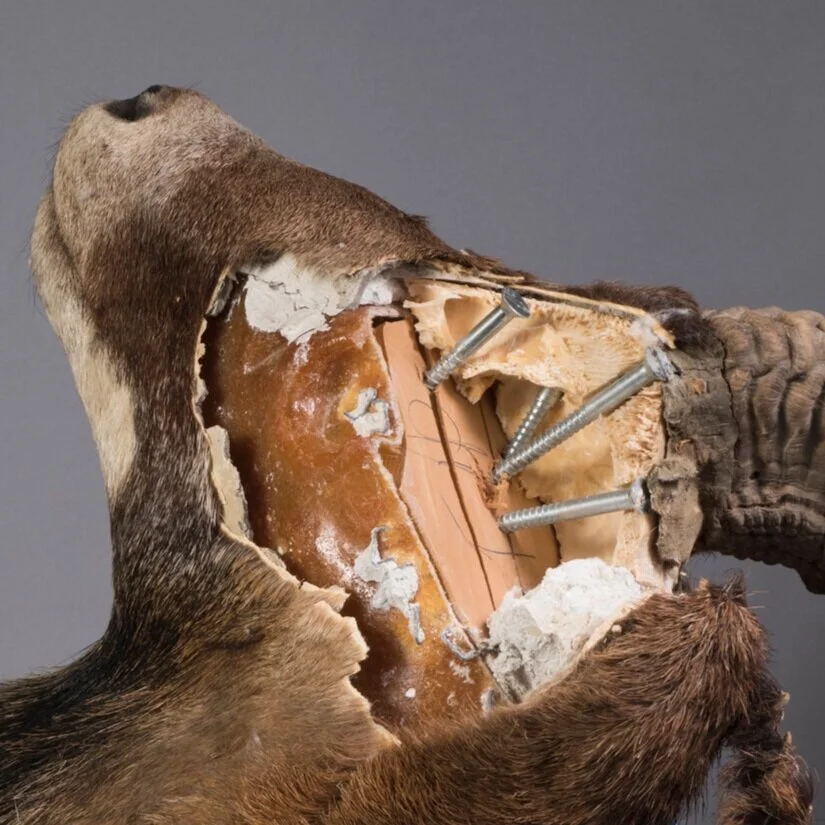
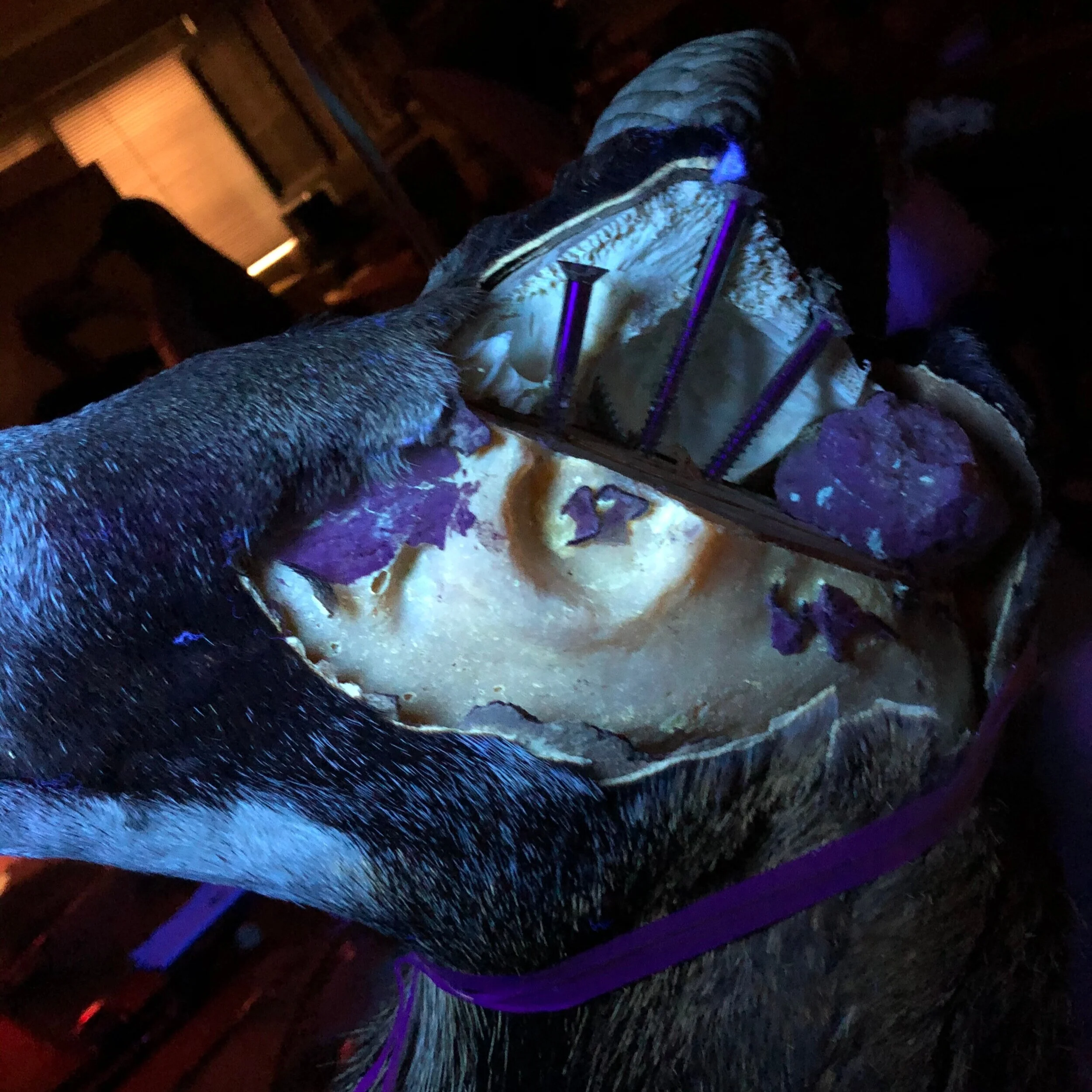
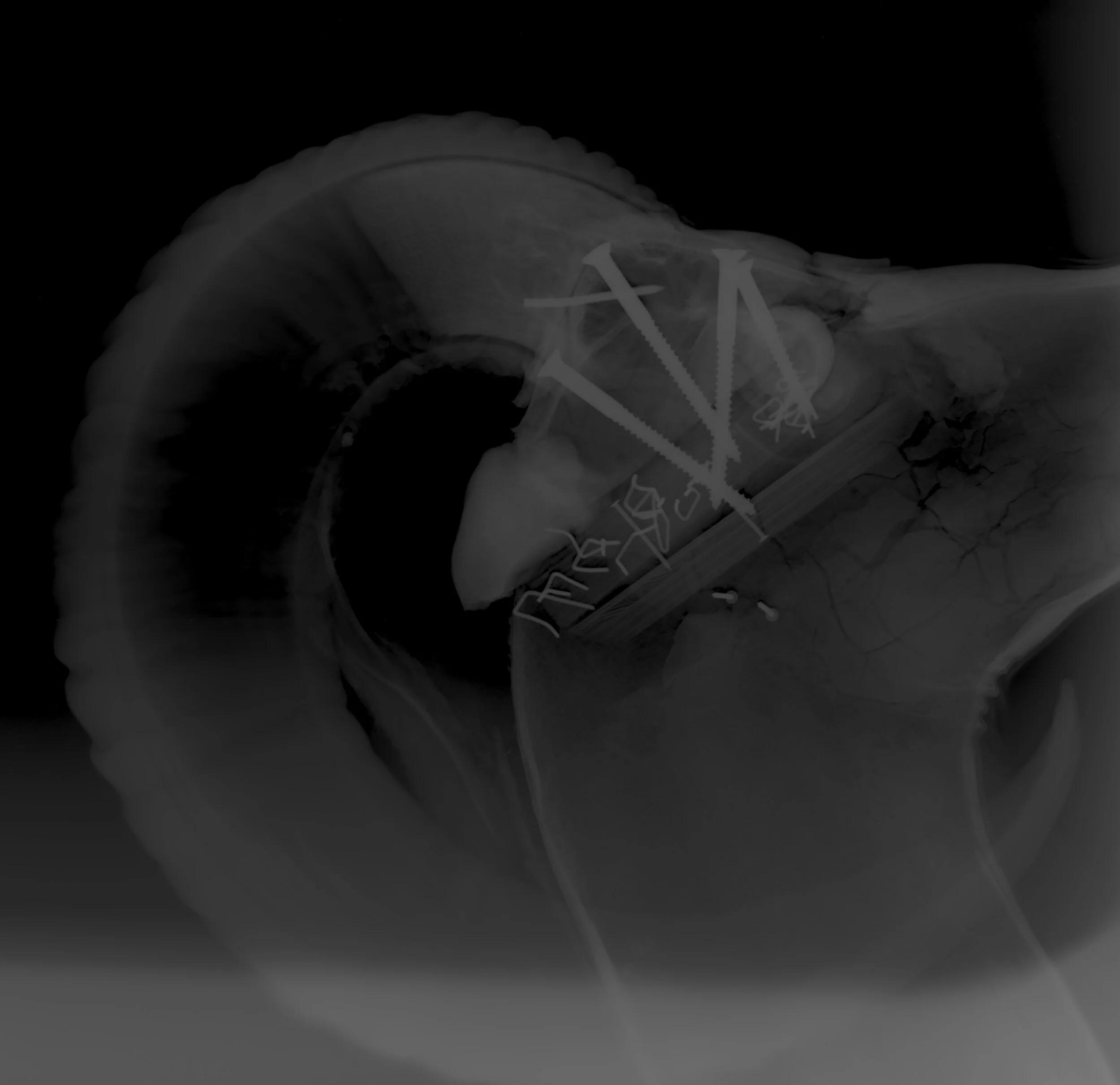
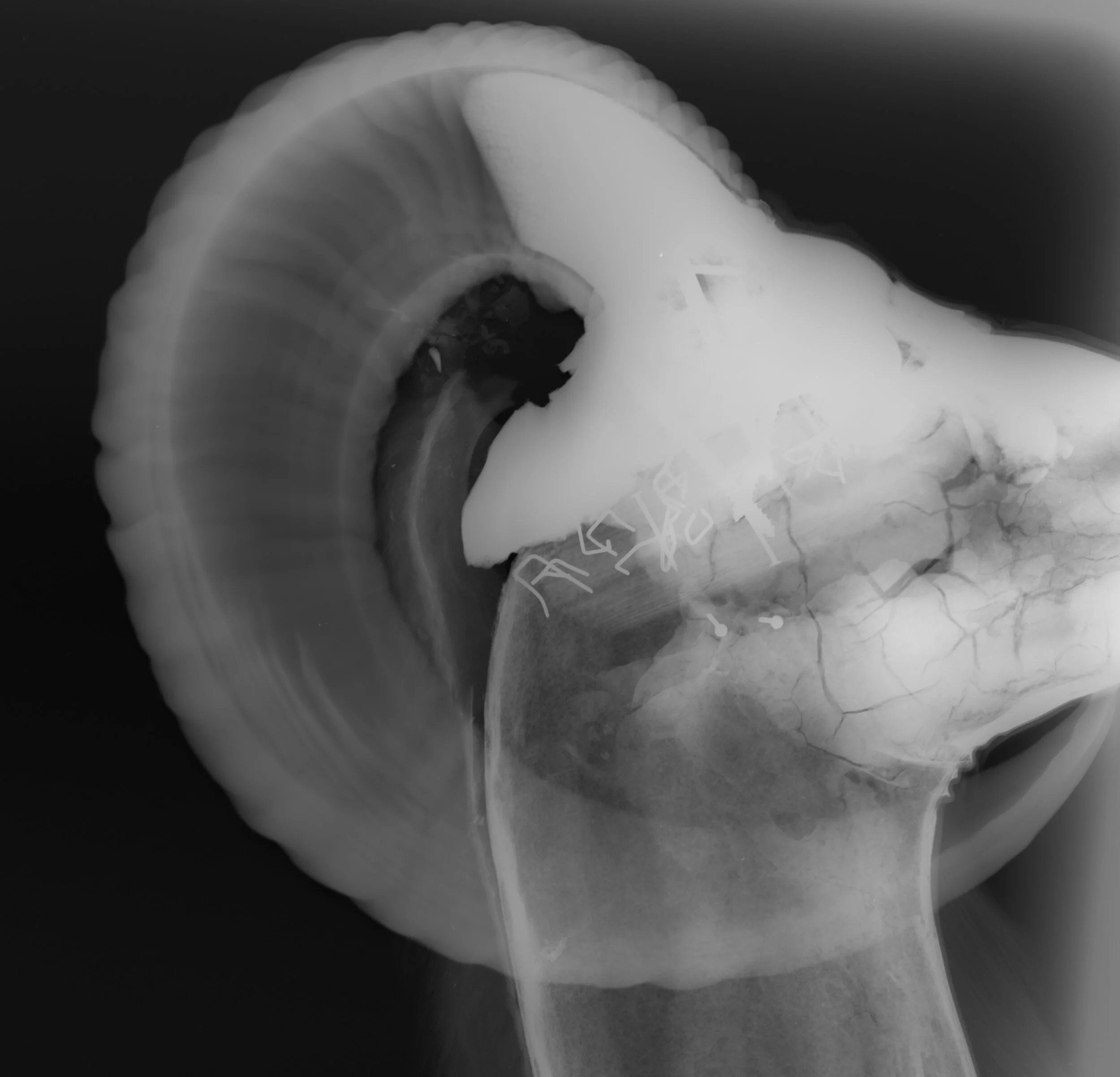
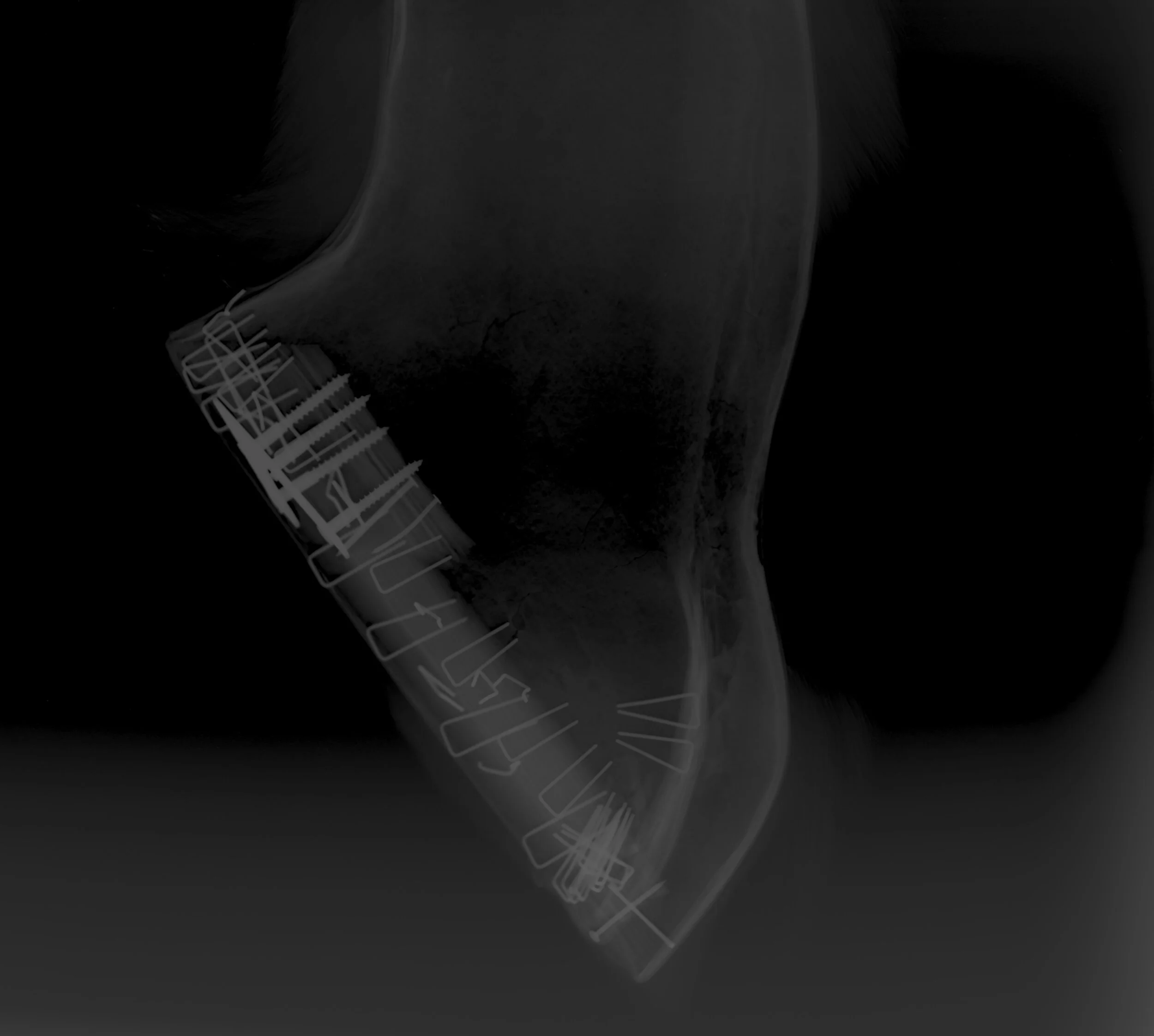
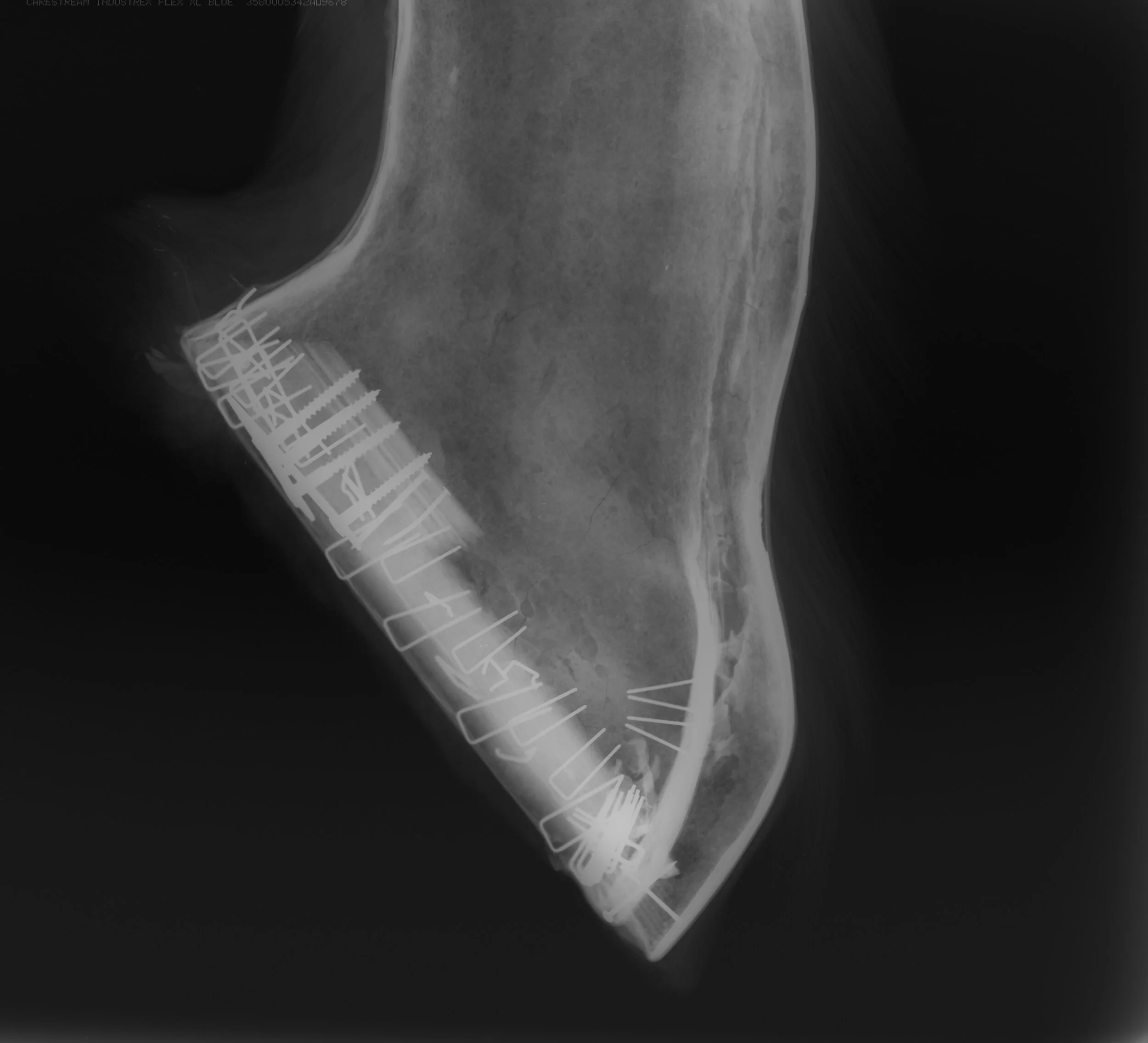
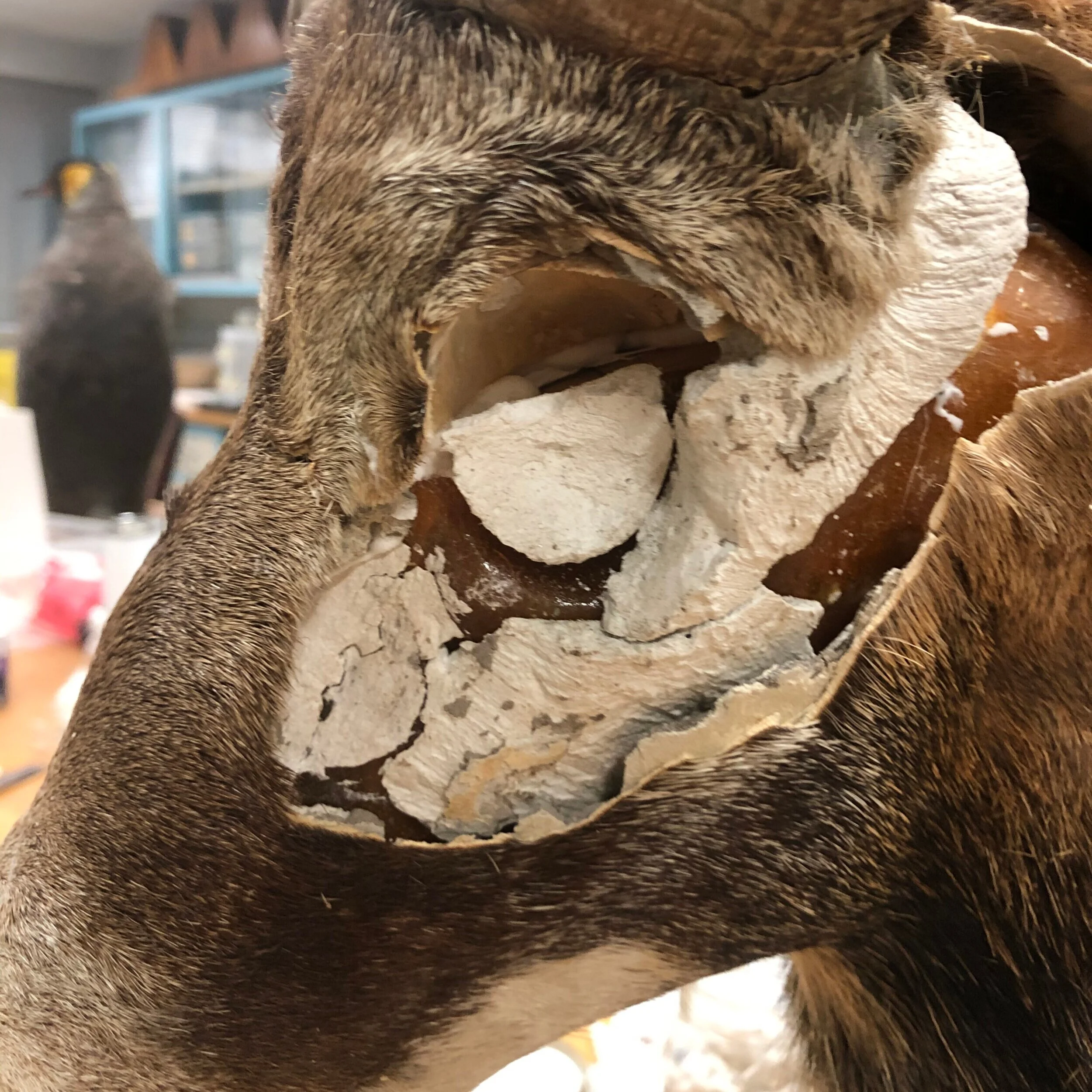
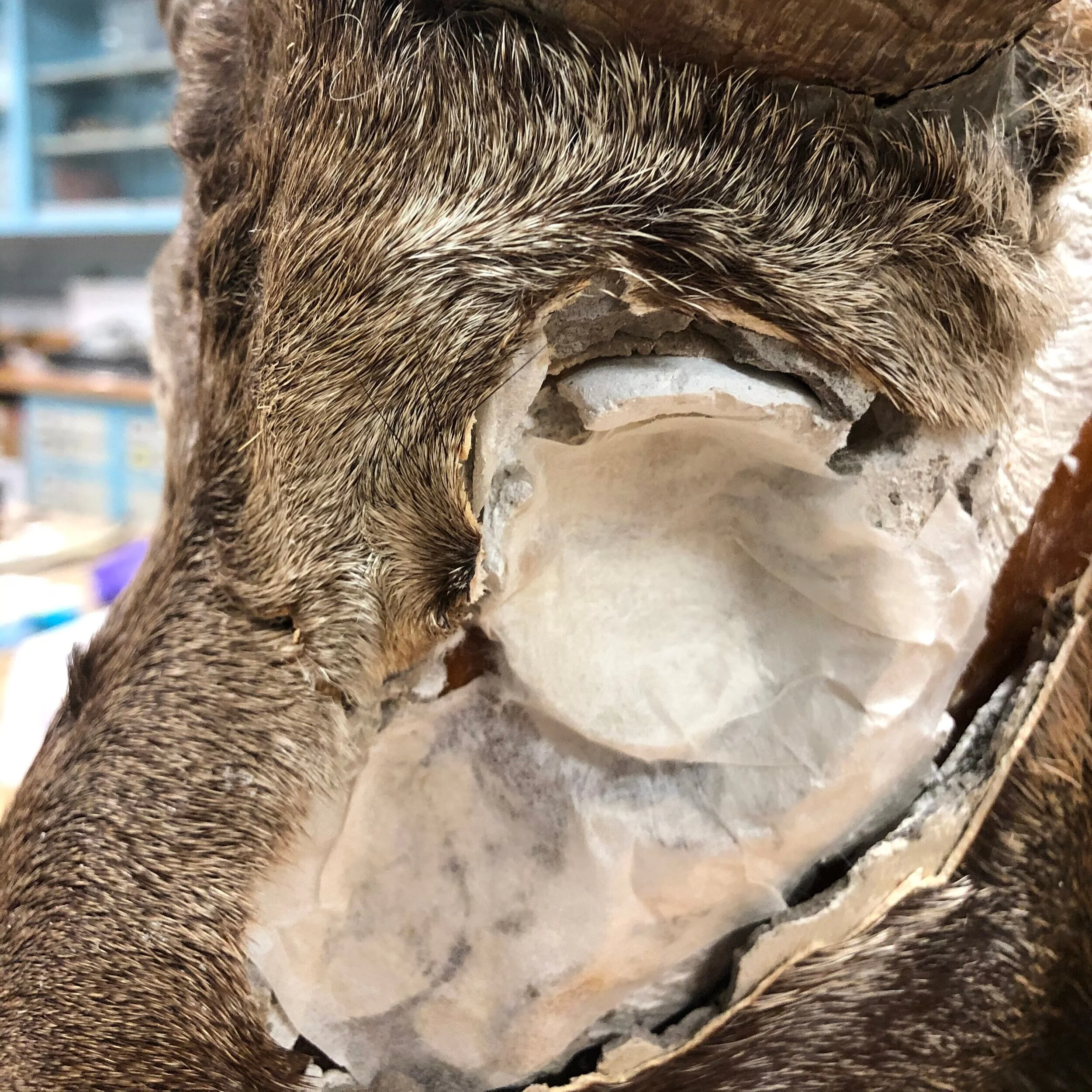
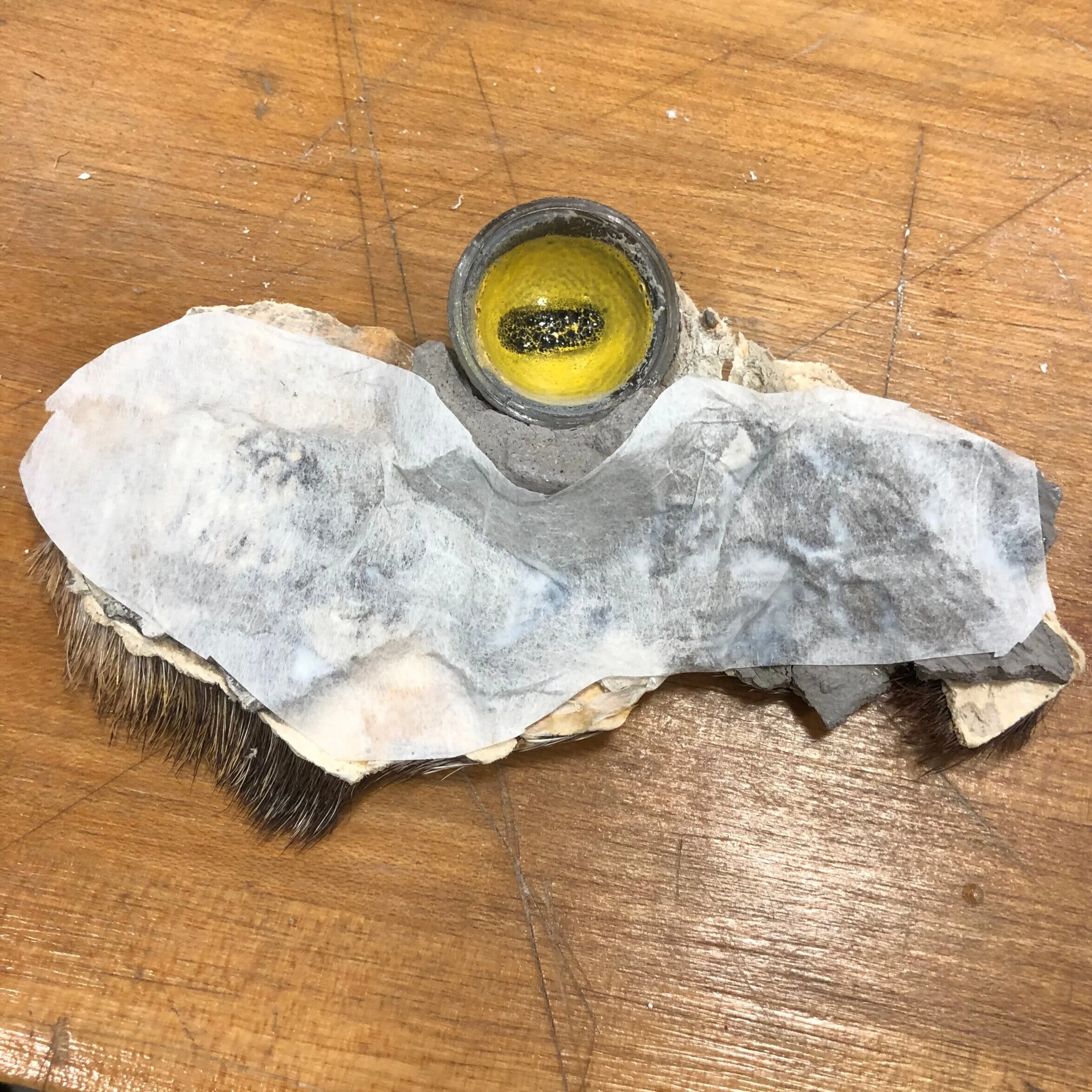
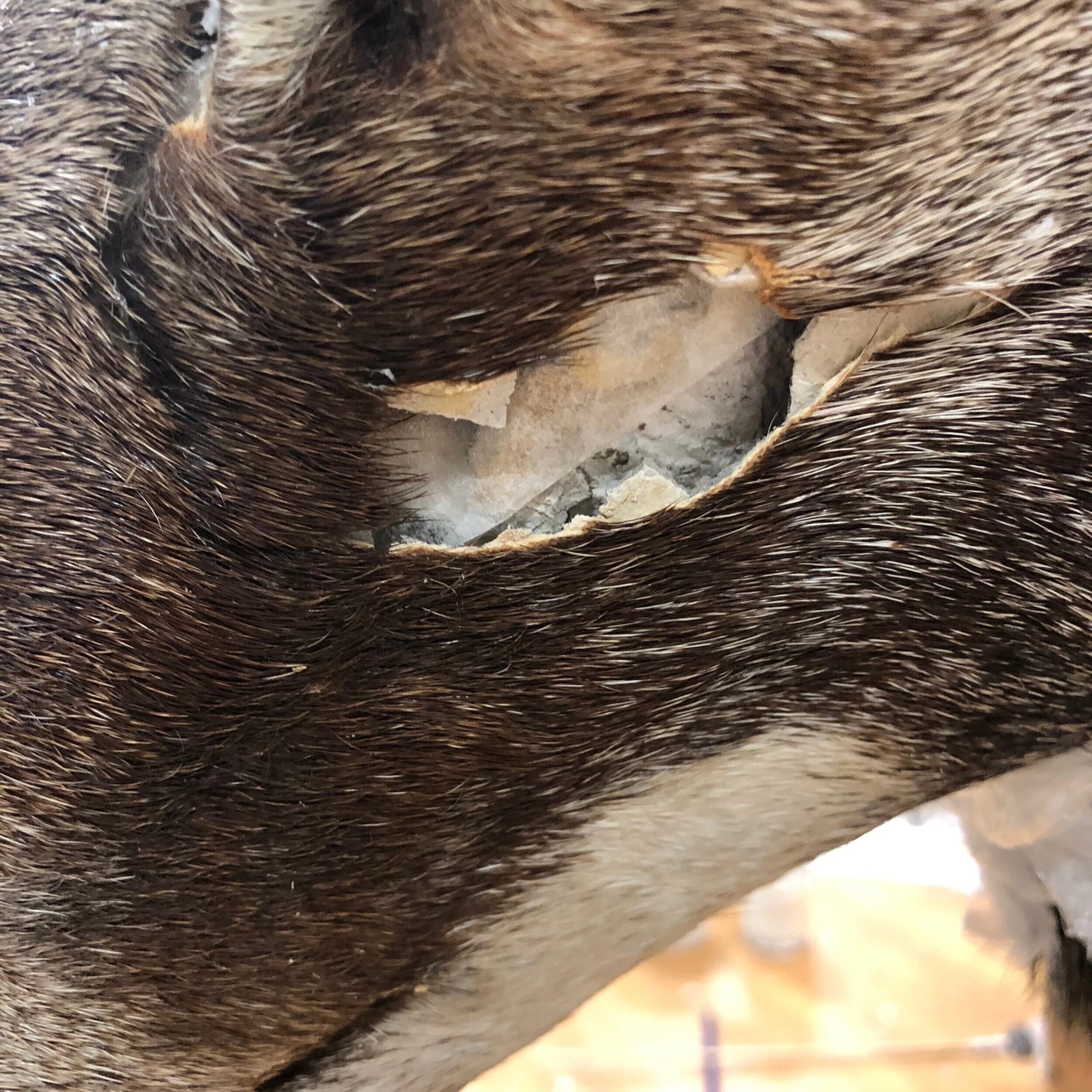
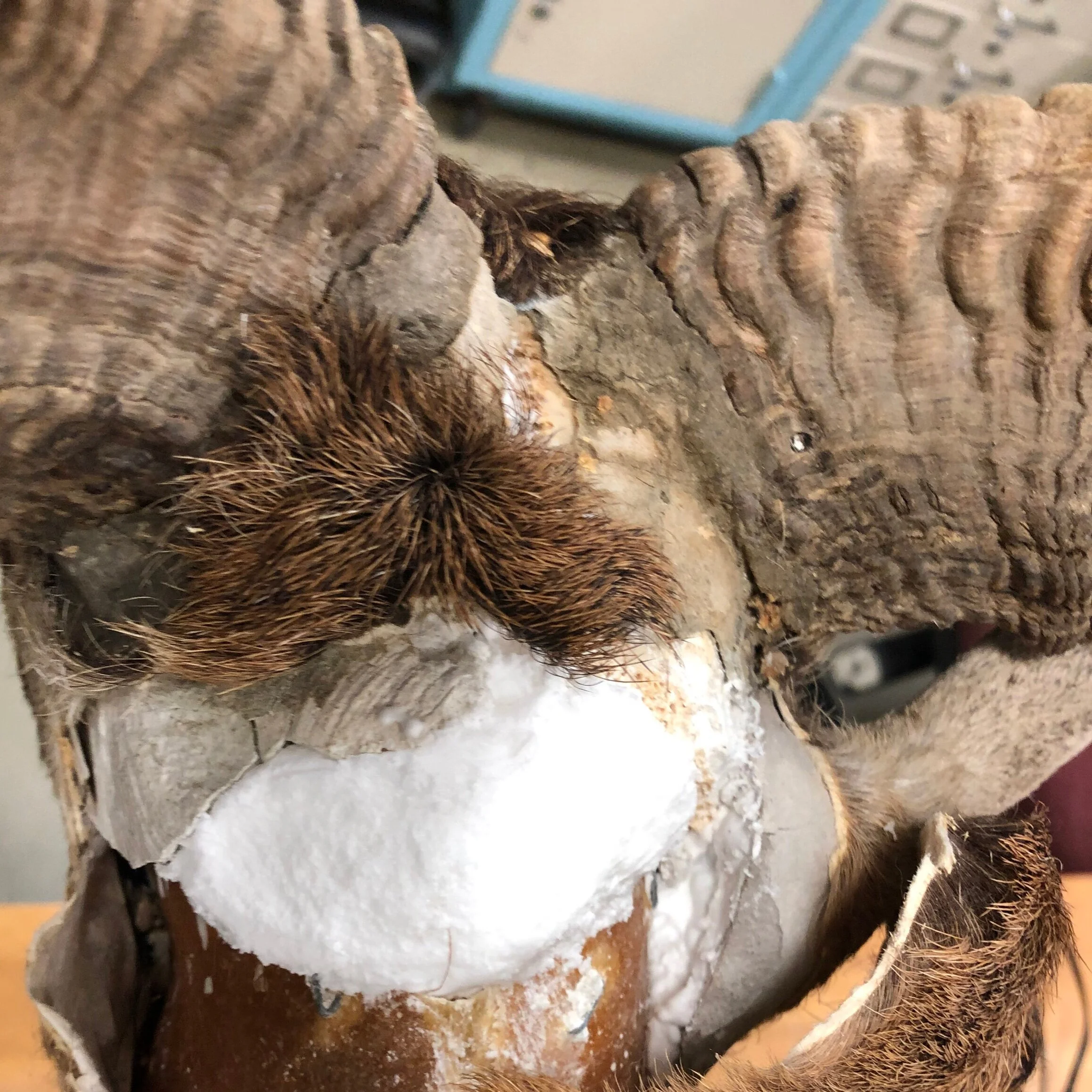
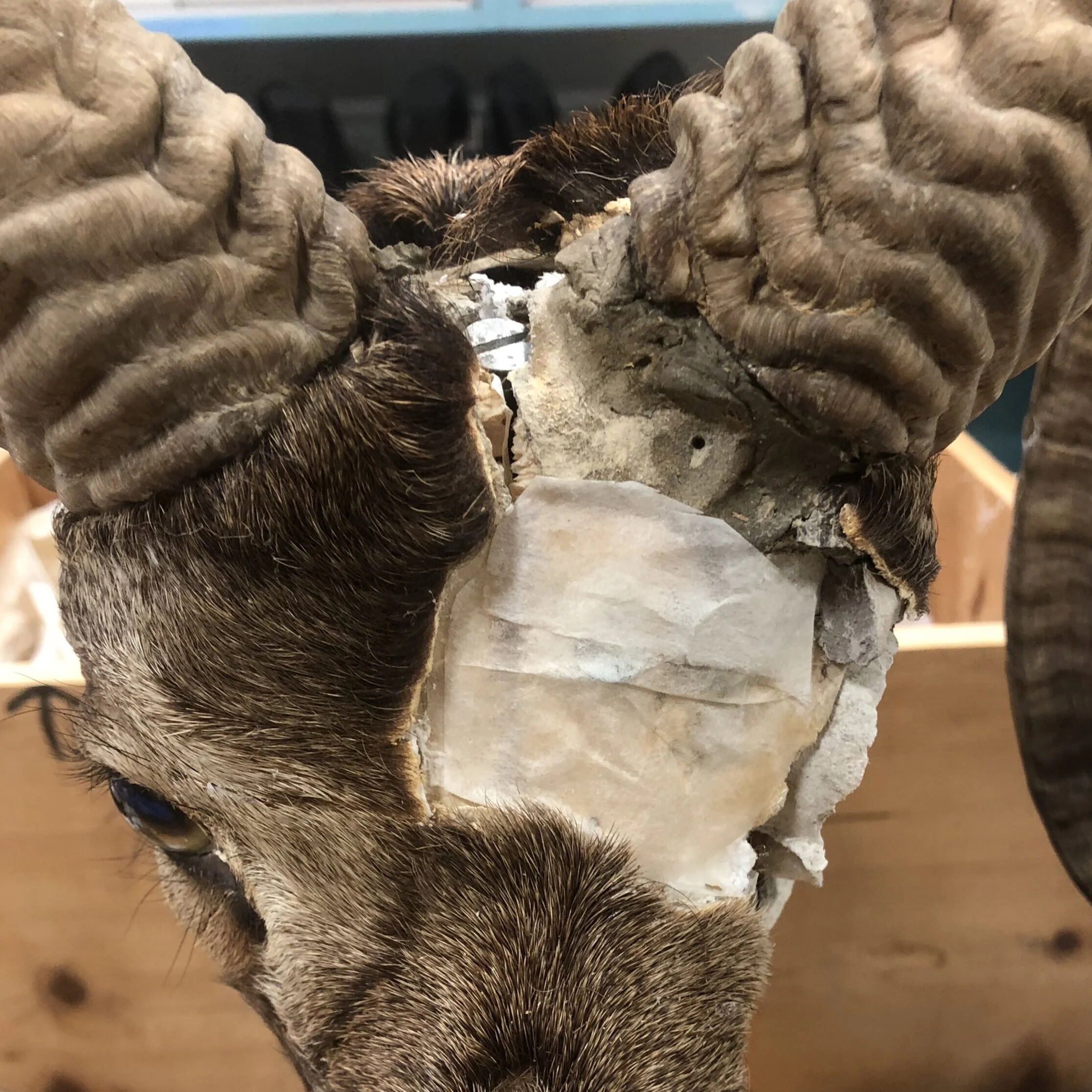
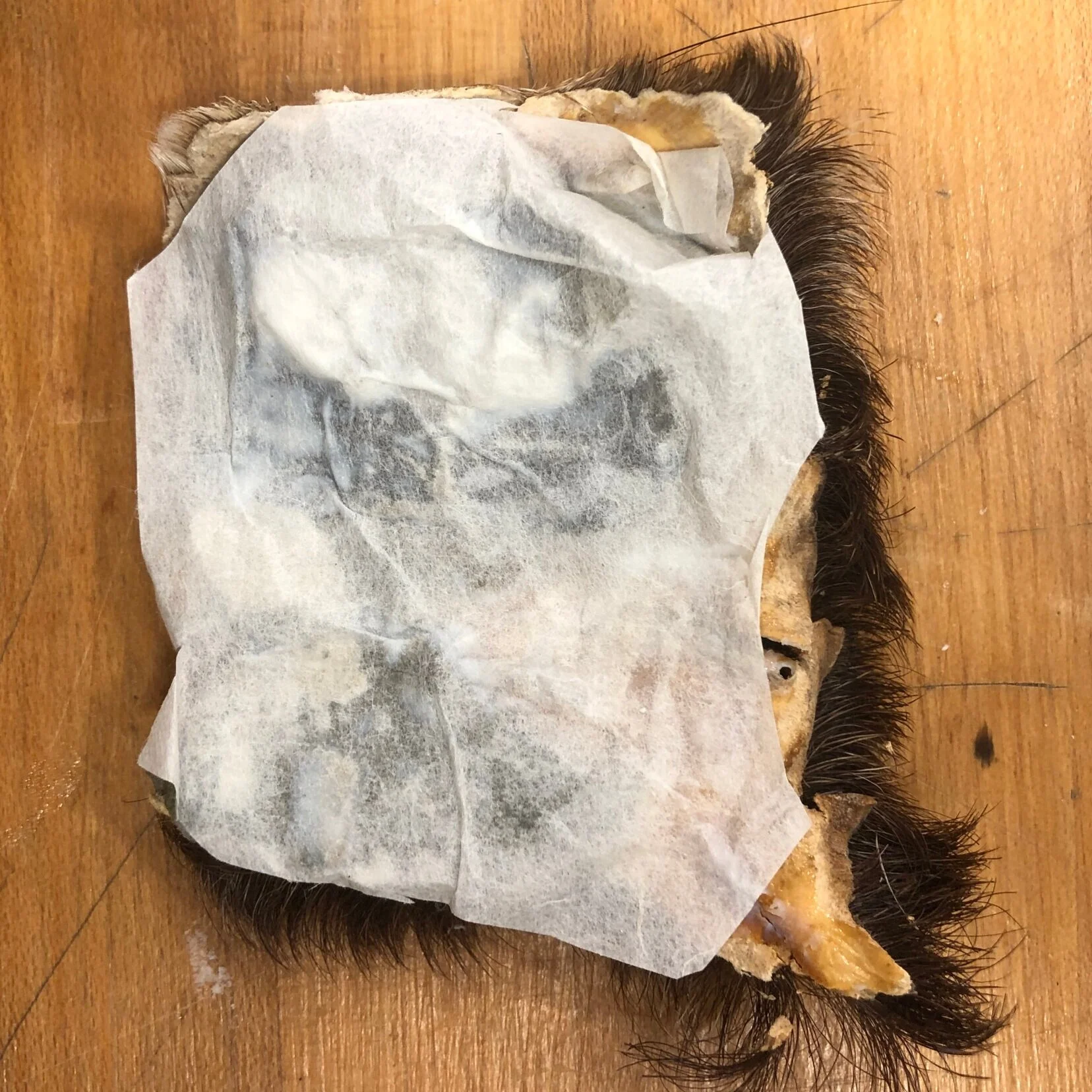
While the condition of the mount was unfortunate, it did give me a rare opportunity to observe the internal armature and construction of the Mouflon. The skin of the Mouflon is mounted around a hollow fiber-resin form, yellow in appearance with a wood block fitted into fiber resin form and staples holding it in place. There is a gray clay (water soluble) and a white material visible along the broken side of the shoulder mount. The white material fills in the large gaps between the fiber resin form and the skin, with the thinner layer of gray clay on top of the white fill material to provide detail to the form. There are long screws going through the bone at the bottom of the horn and into the wood. One screw holds the proper right horn in place, with two screws in the center. A screw on the proper left side of the wood held the proper left horn in place, and a hole is visible in the bone at the bottom of the horn. The skin of the Mouflon is stitched along the center of the dorsal side.
Treatment
Proper Right Side
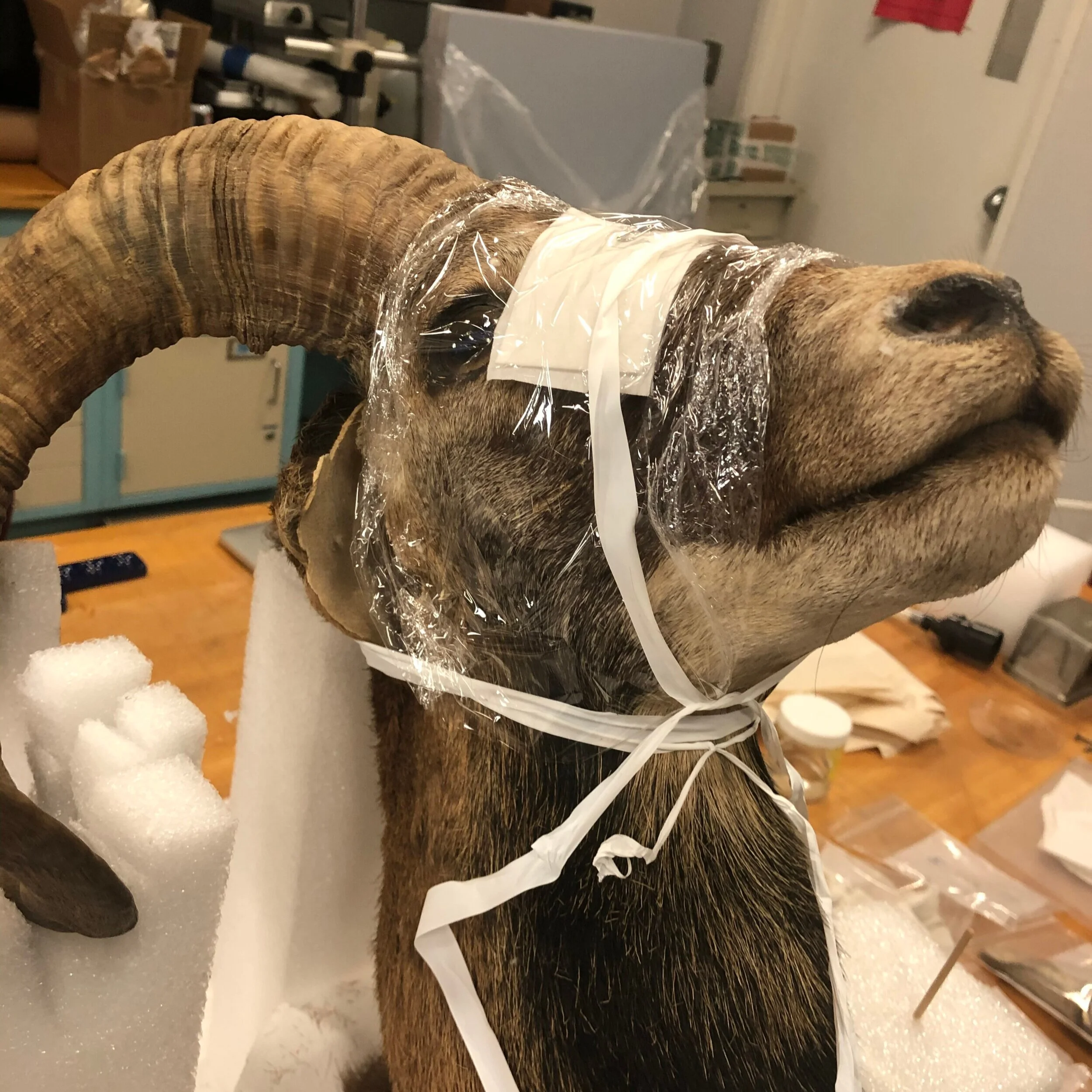
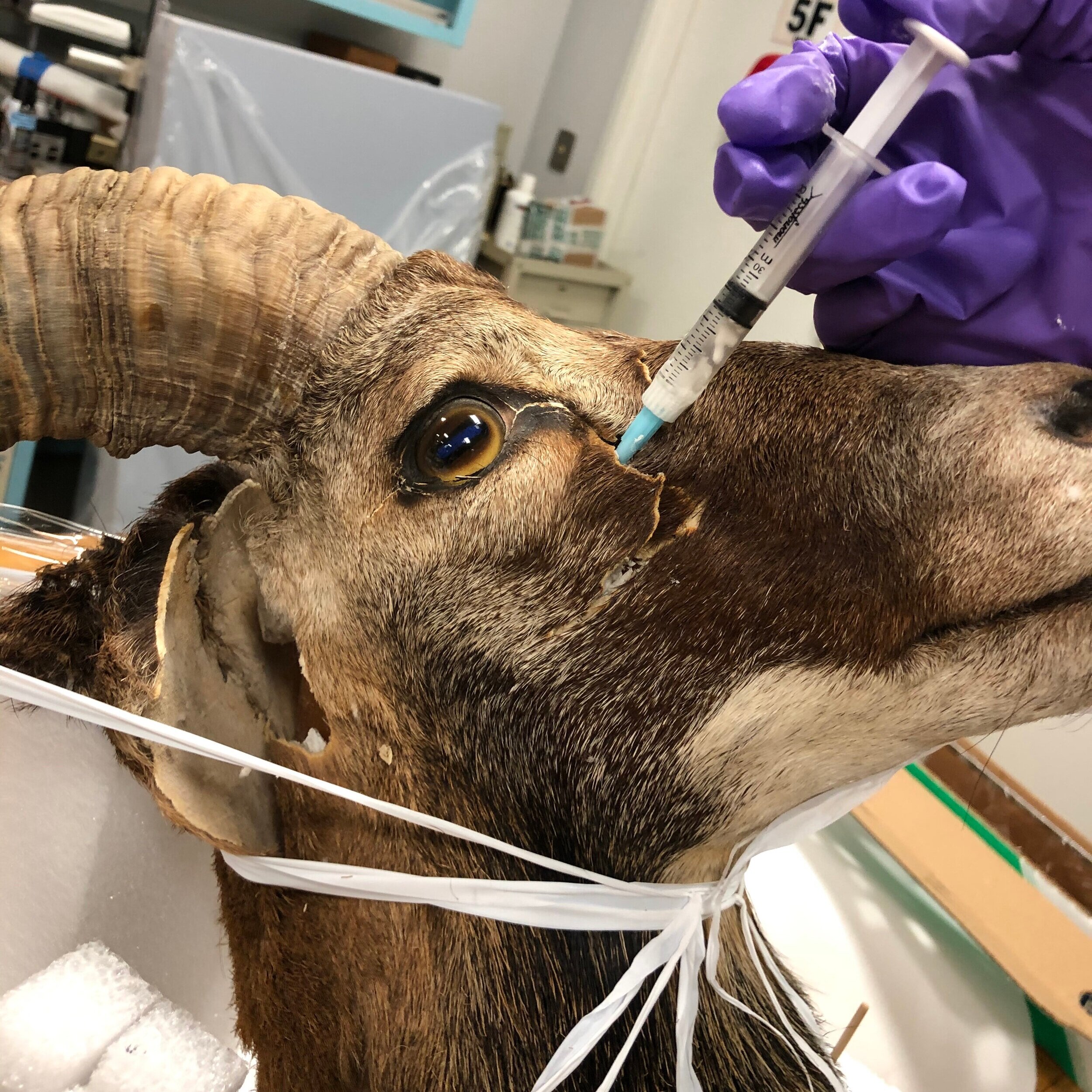
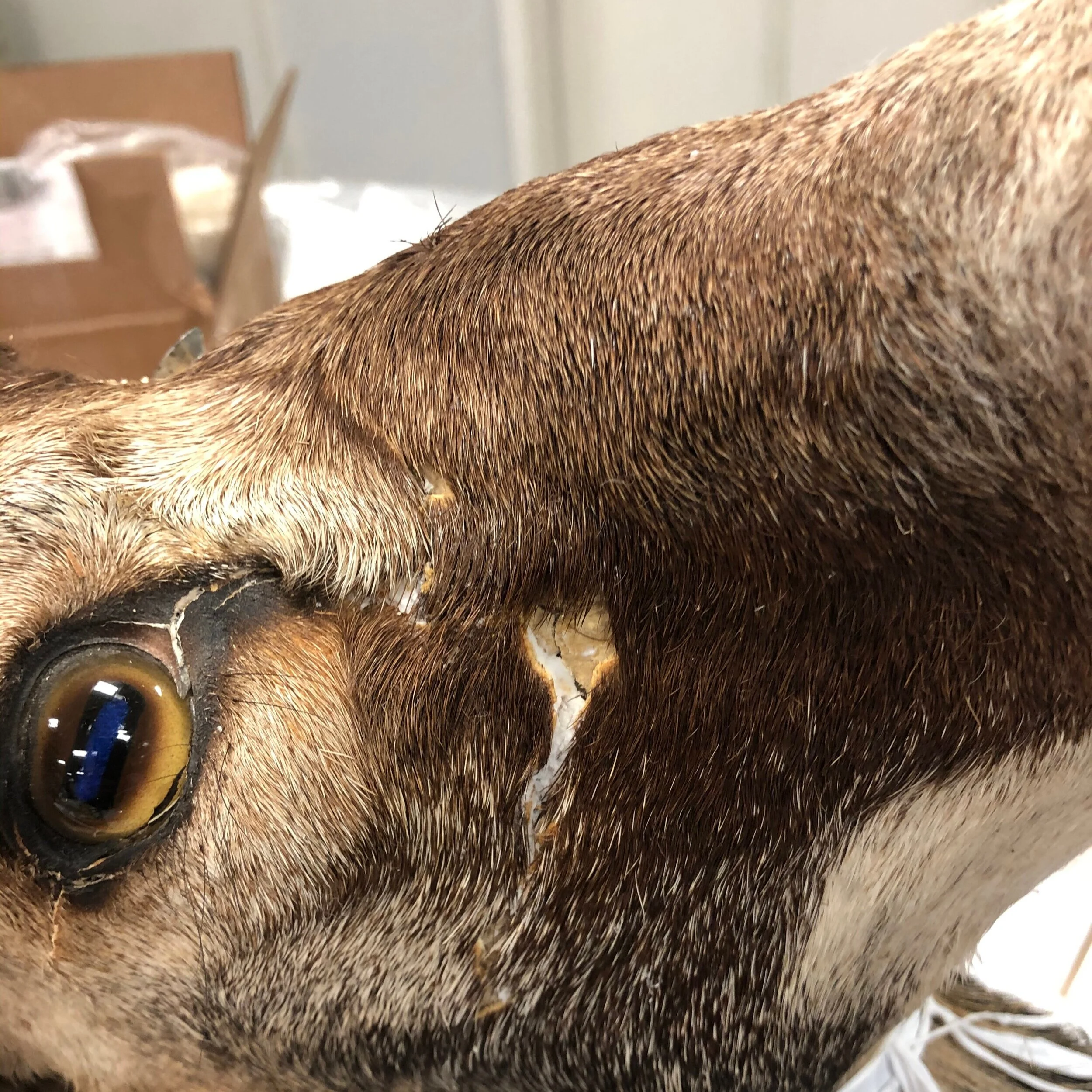
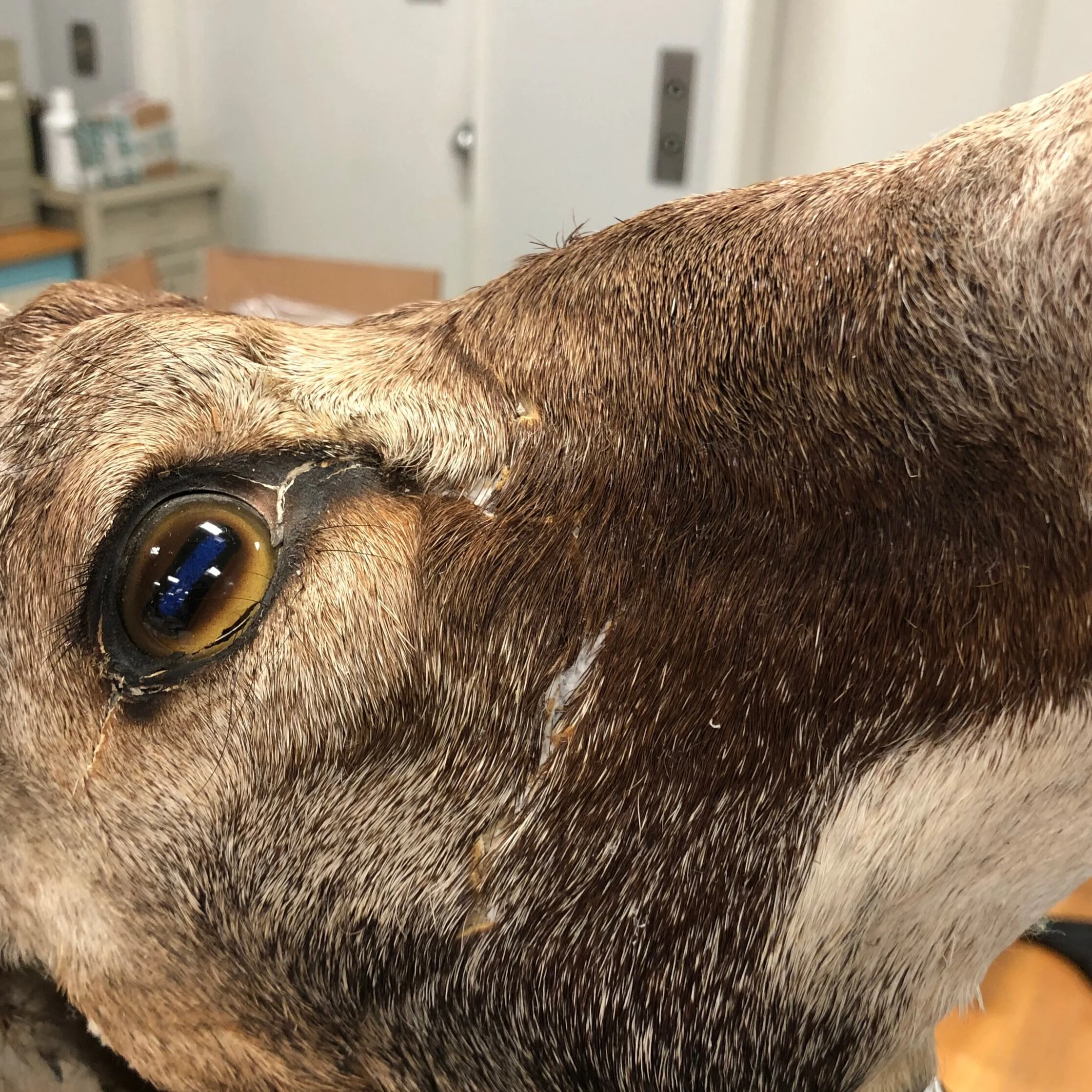
Proper Left Side
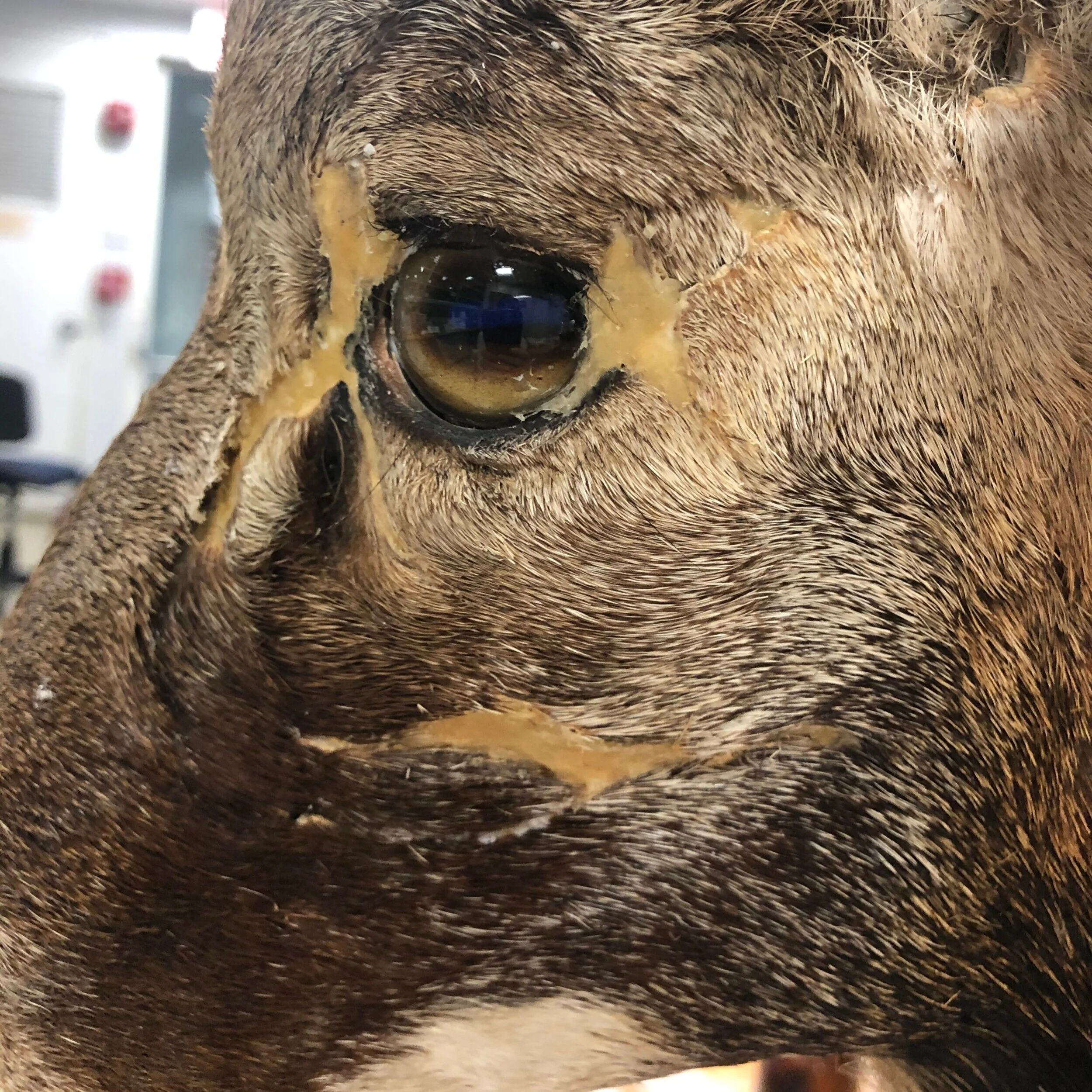
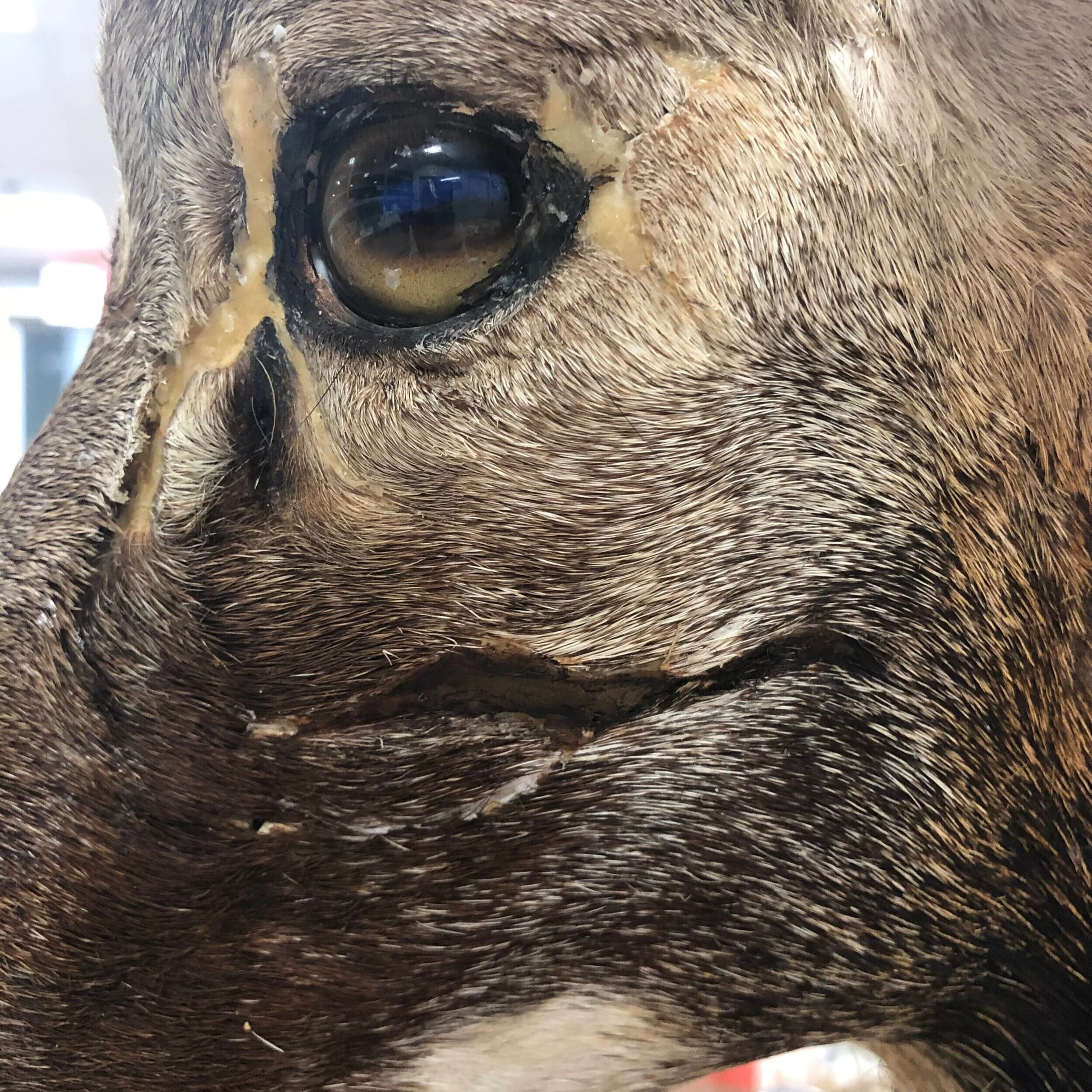
Loss Compensation
Front
Dorsal side and ears