Degradation Study of Plastics in Real and Accelerated Environments
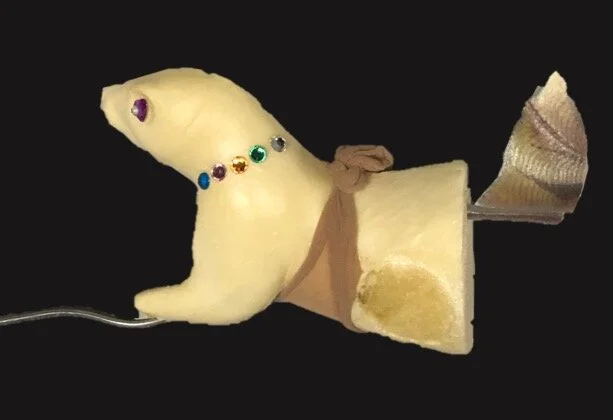
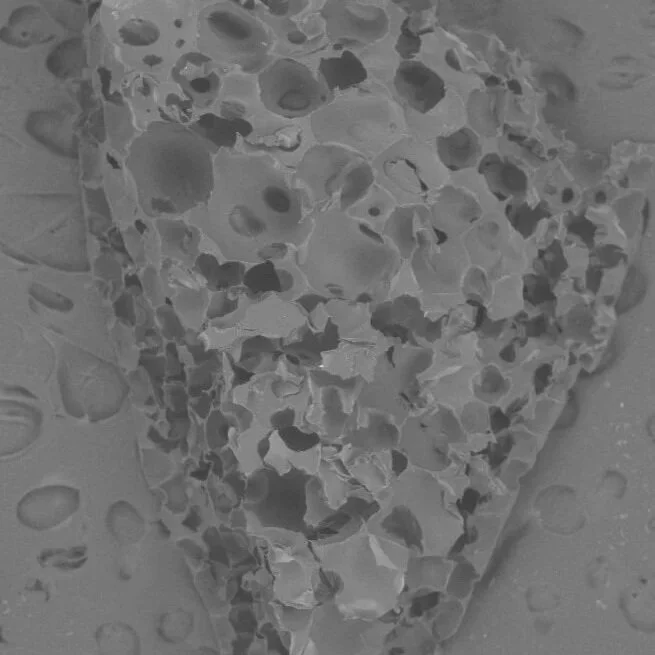
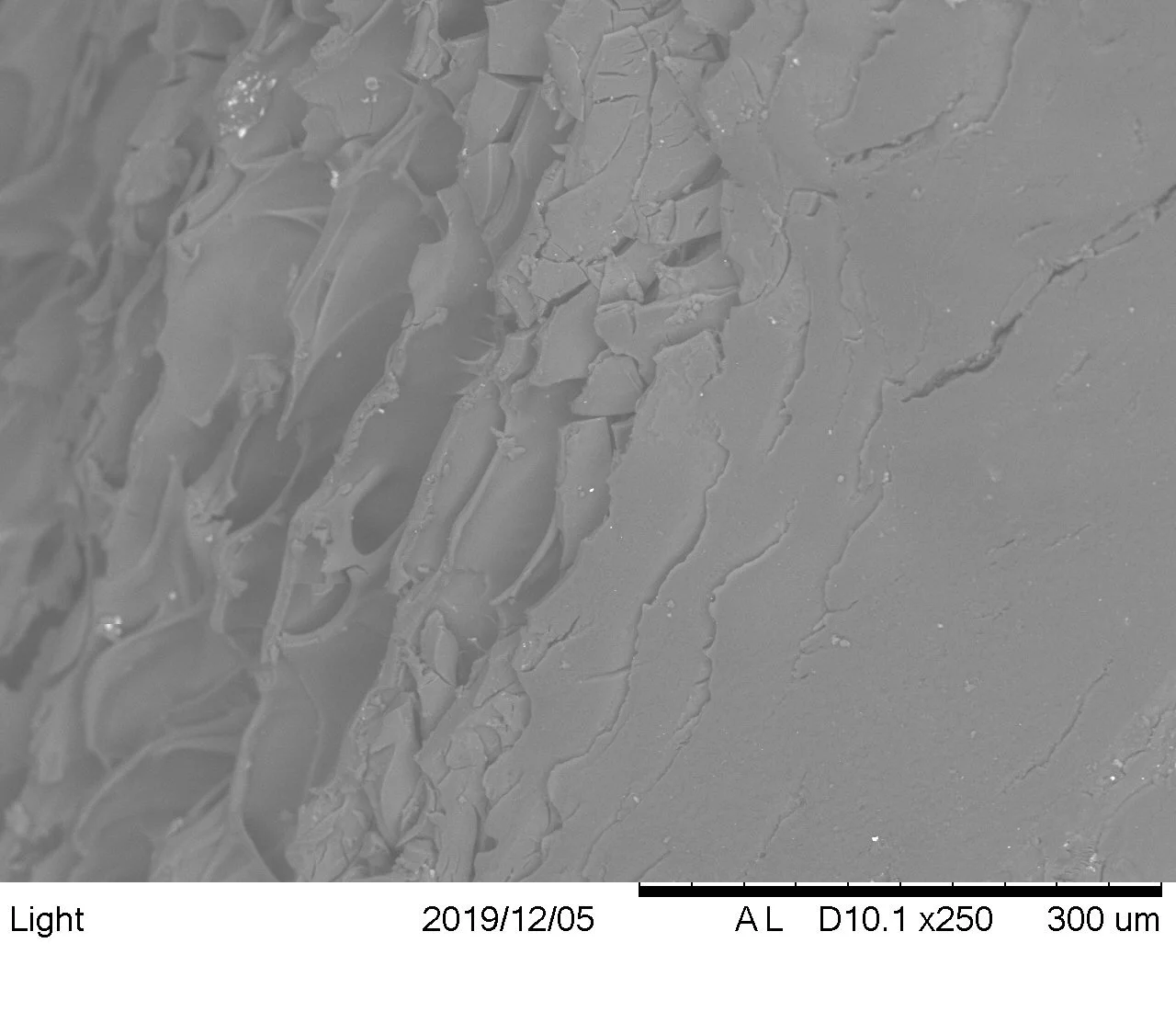
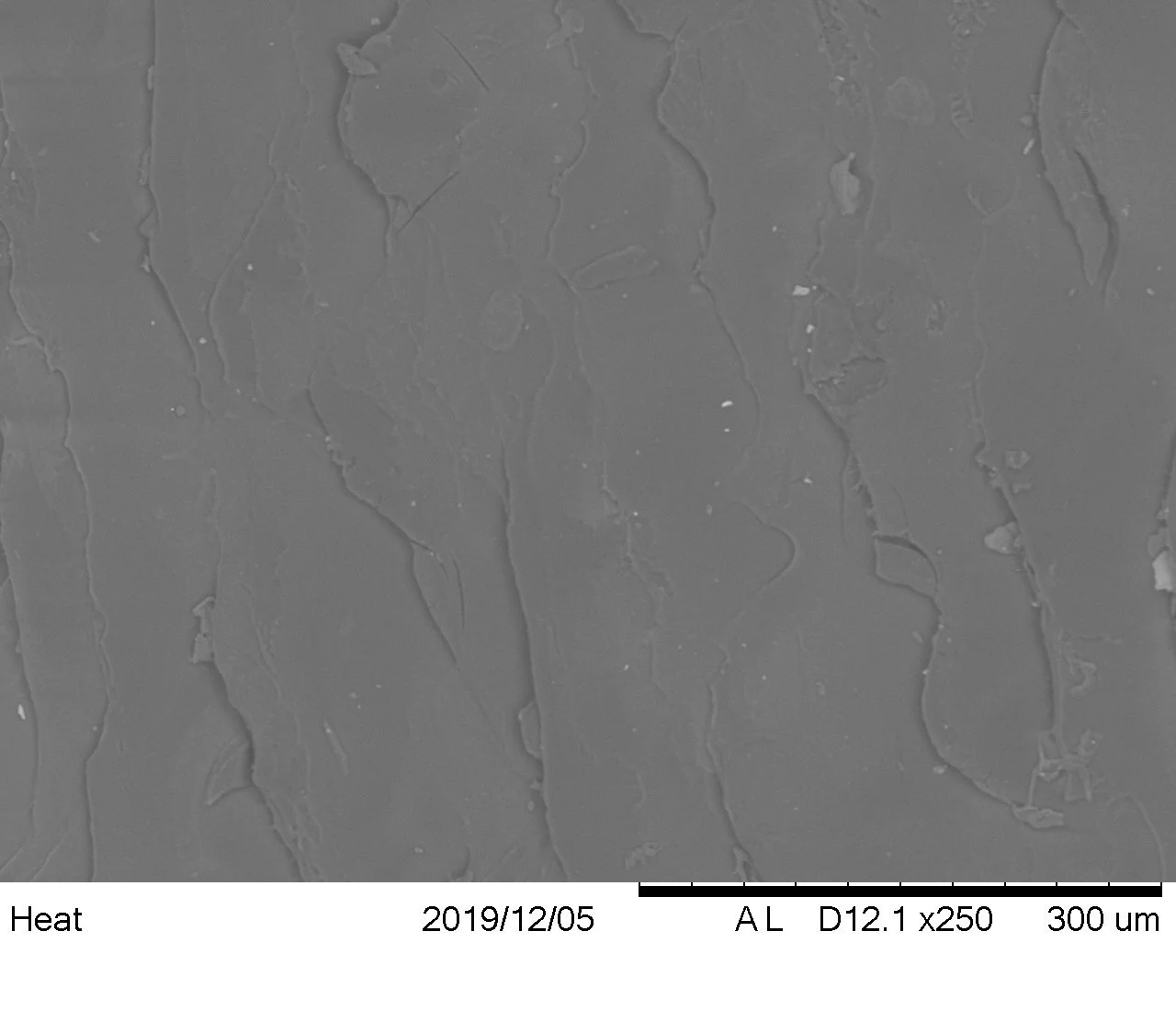
In order to better understand degradation processes of plastics and the extent to which they degrade, three composite plastic research pieces were created using polyurethane, woven nylon, polystyrene, and acrylonitrile styrene acrylate. In addition, the interaction between non-plastic components and plastic components as they age was also tested, using a metal wire mount in the polyurethane forms. The sculptures were placed and left for a total of six weeks in three environments: a controlled environment to slow down natural ageing (freezer), a real-time light environment (southern facing window with exposure to natural daylight), and an accelerated heat ageing environment (oven at 140 degrees Fahrenheit). After exposure to the three environments, the degradation of the plastic components was visibly apparent. The plastics were analyzed using a scanning electron microscope (SEM), attenuated total reflection Fourier Transform Infrared (ATR-FTIR) spectrometer and a handheld USB microscope. The analysis showed significant discoloration of the polyurethane in the research pieces from both the accelerated heat ageing environment and the real-time light environment, and further, loss of the chemical structure in the accelerated heat ageing environment. The polystyrene deformed and melted in the heat environment indicating that the temperature of the oven was too high to age the plastic. Other plastics, including the woven nylon and acrylonitrile styrene acrylate, exhibited only slight deterioration if any.
Components
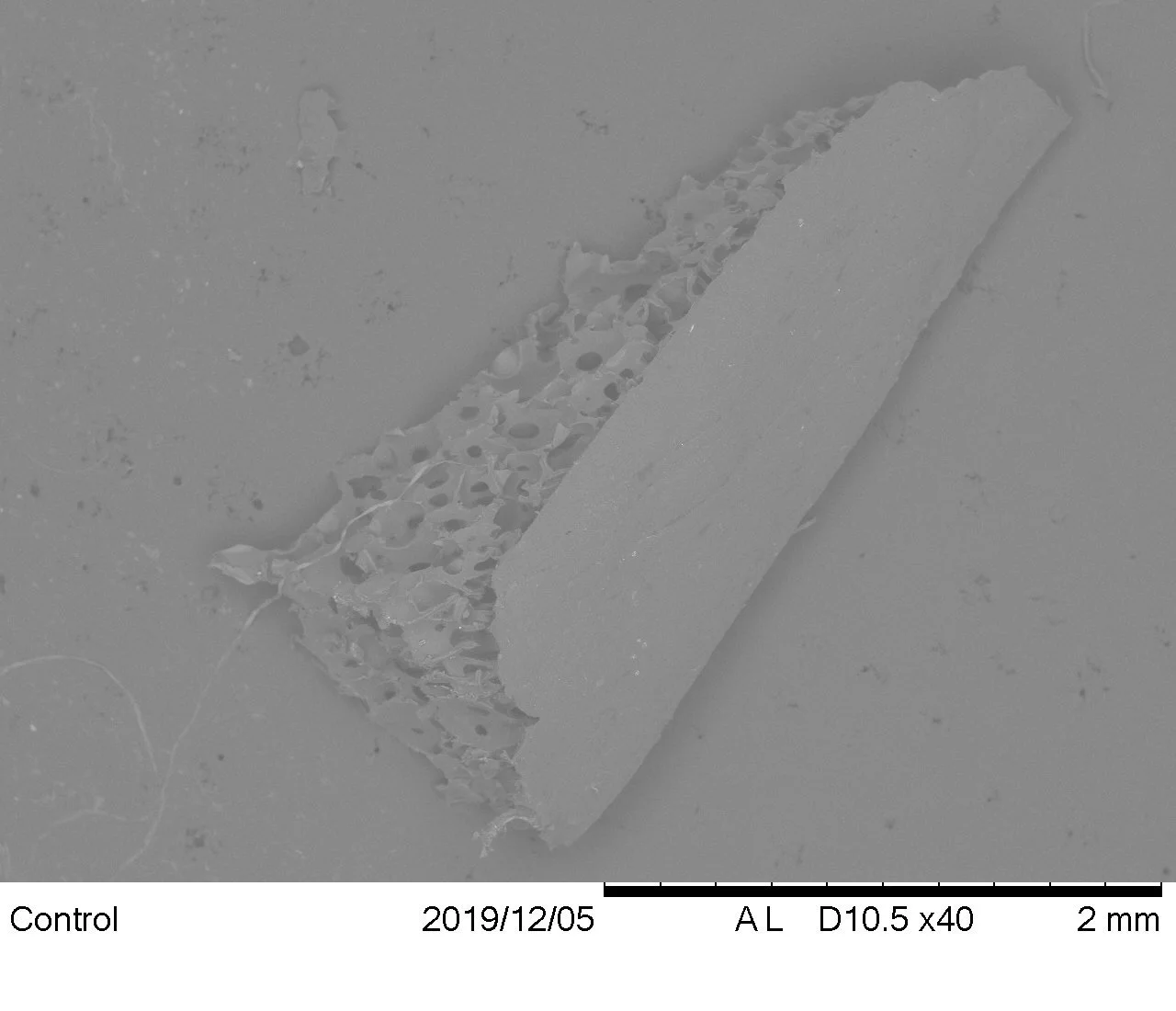
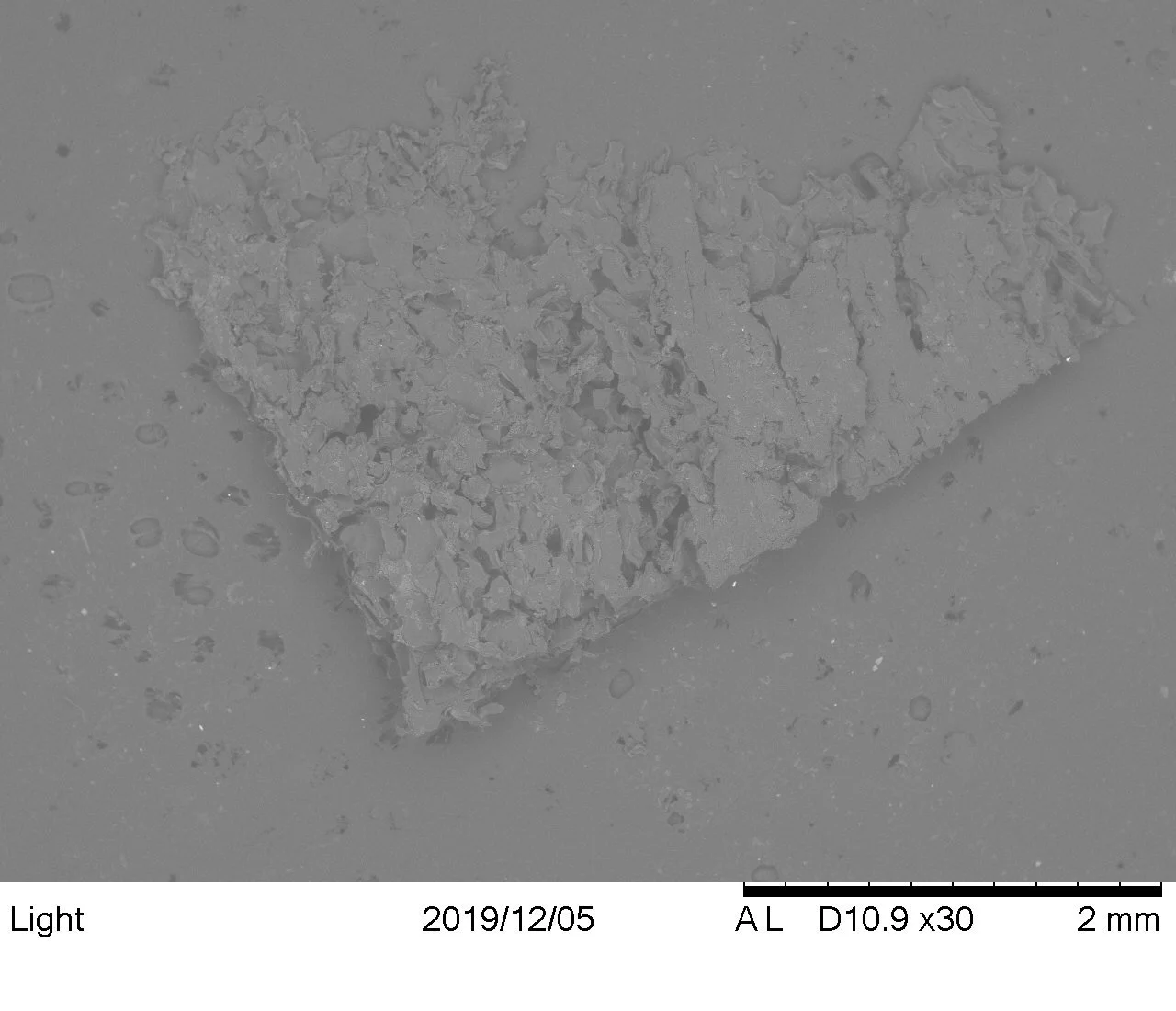
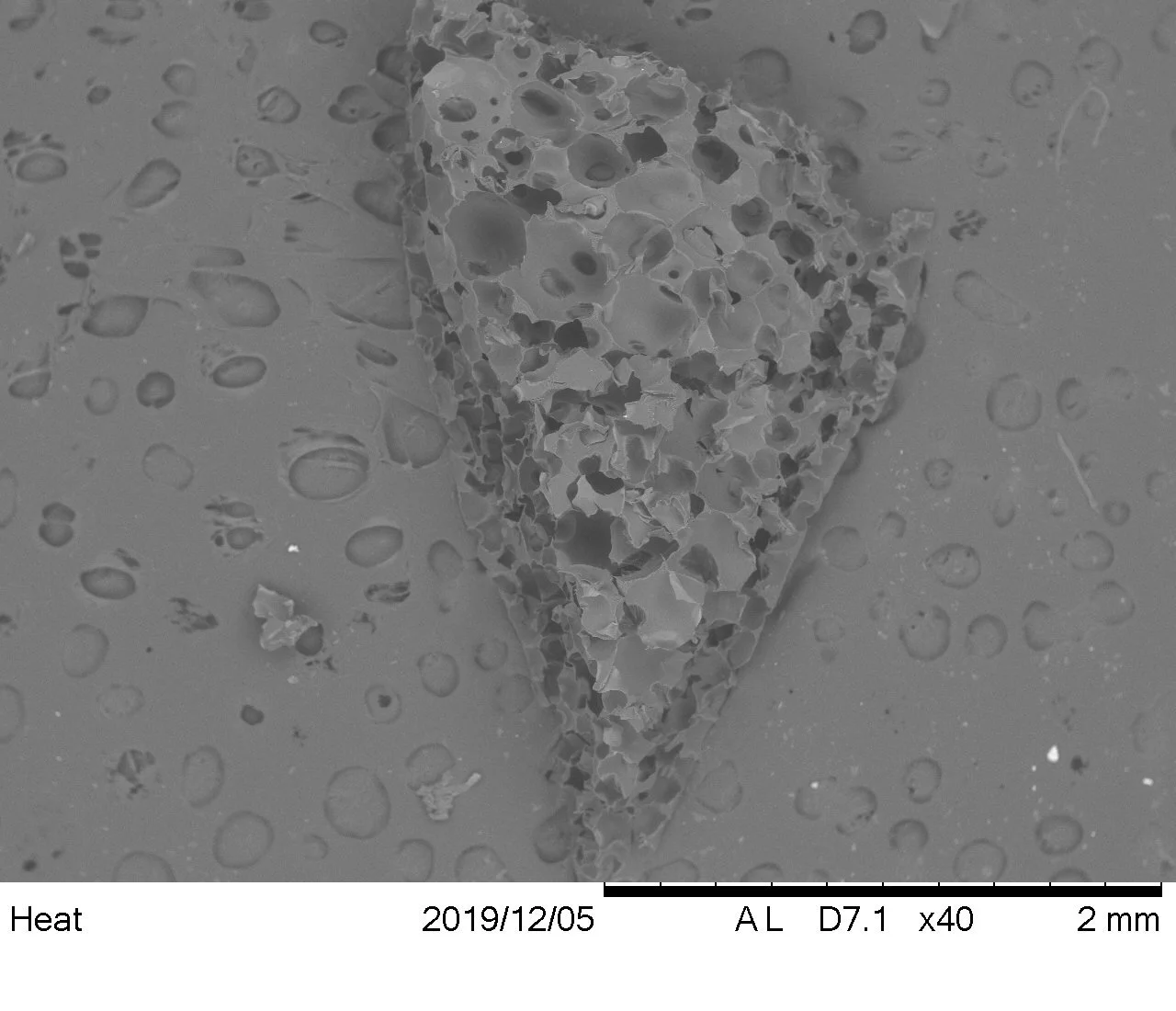
Polyurethane-ether Foam
Squirrel manikin from Research Mannikin Taxidermy Supply with internal metal wire mounts
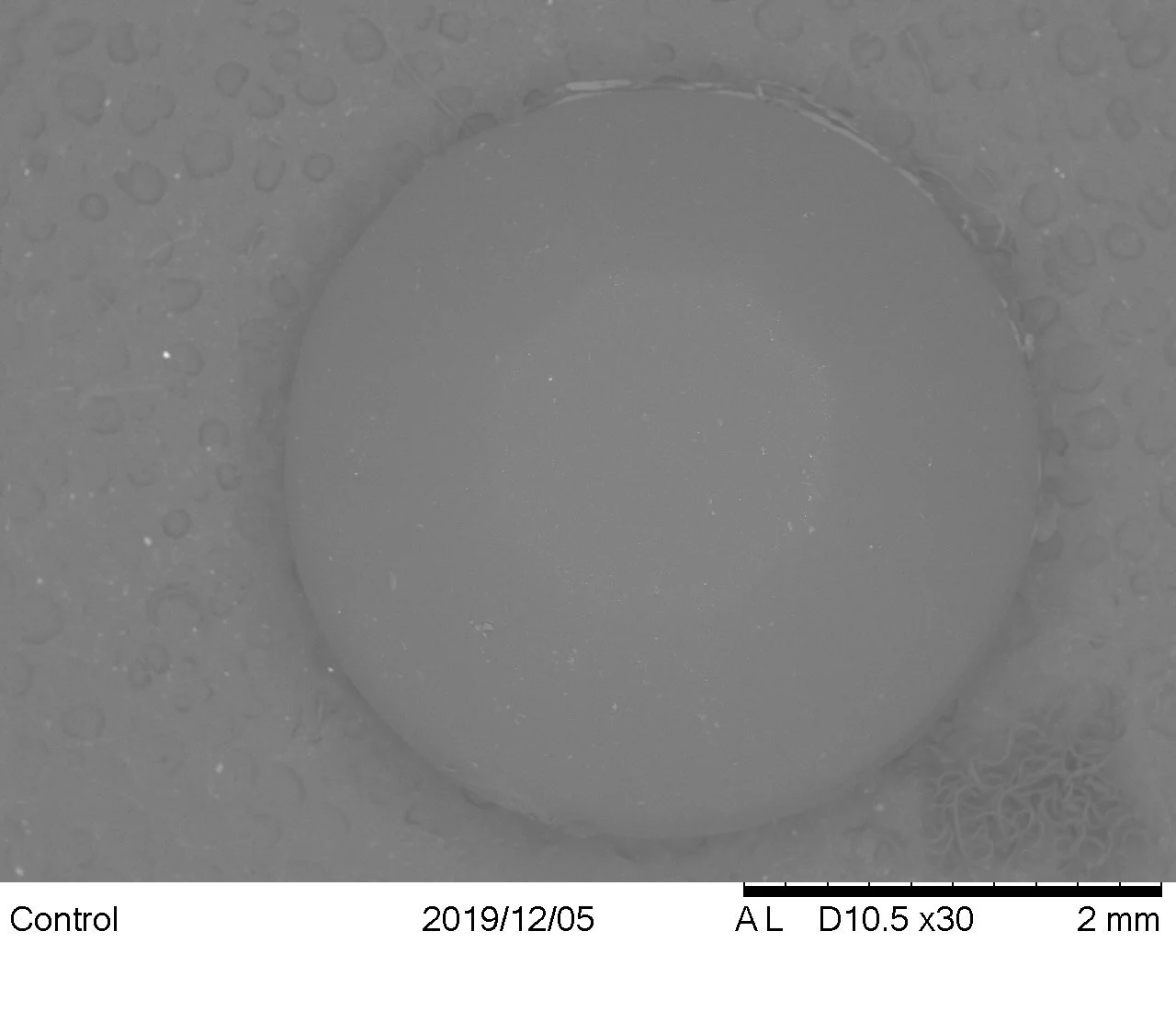
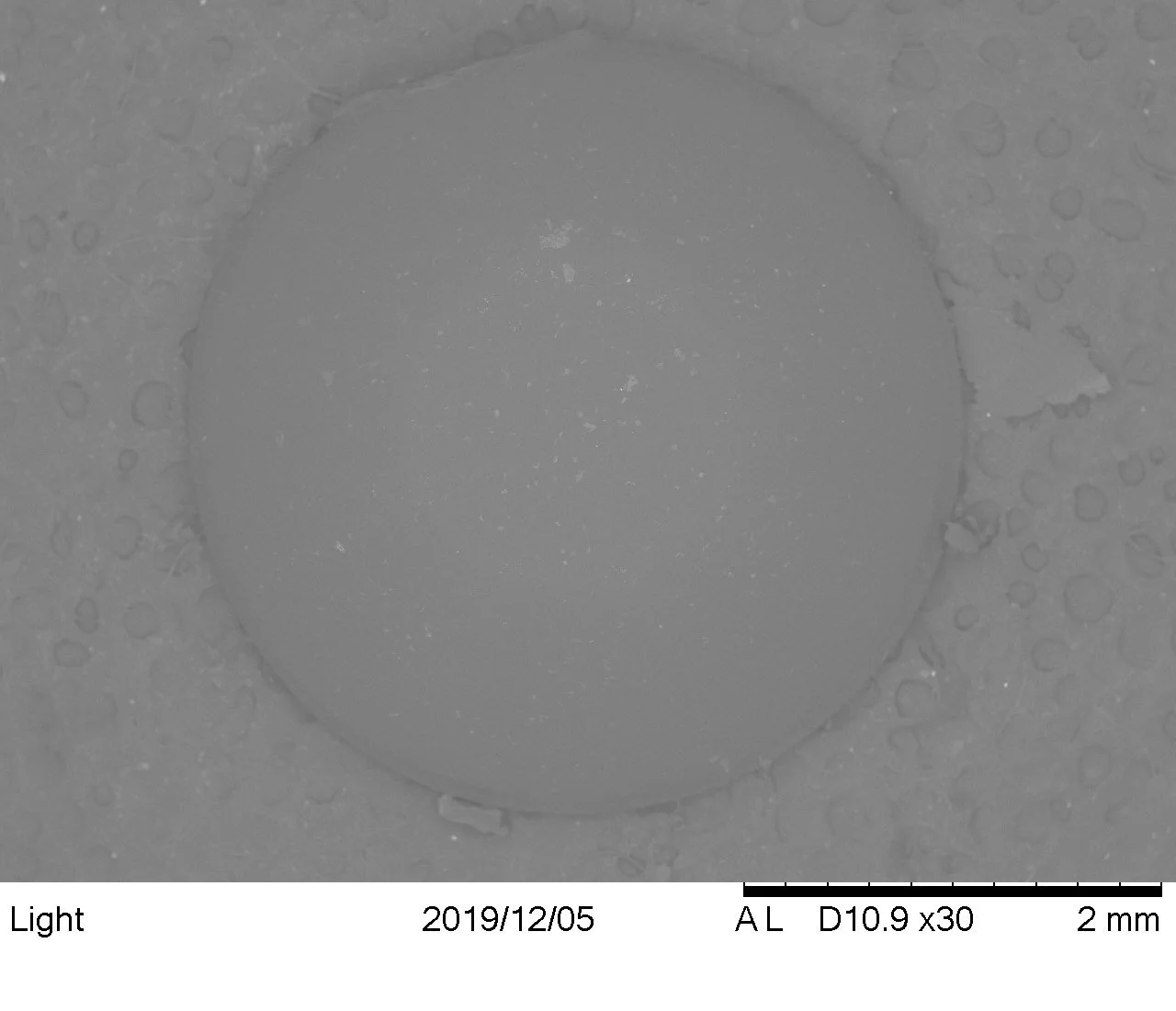
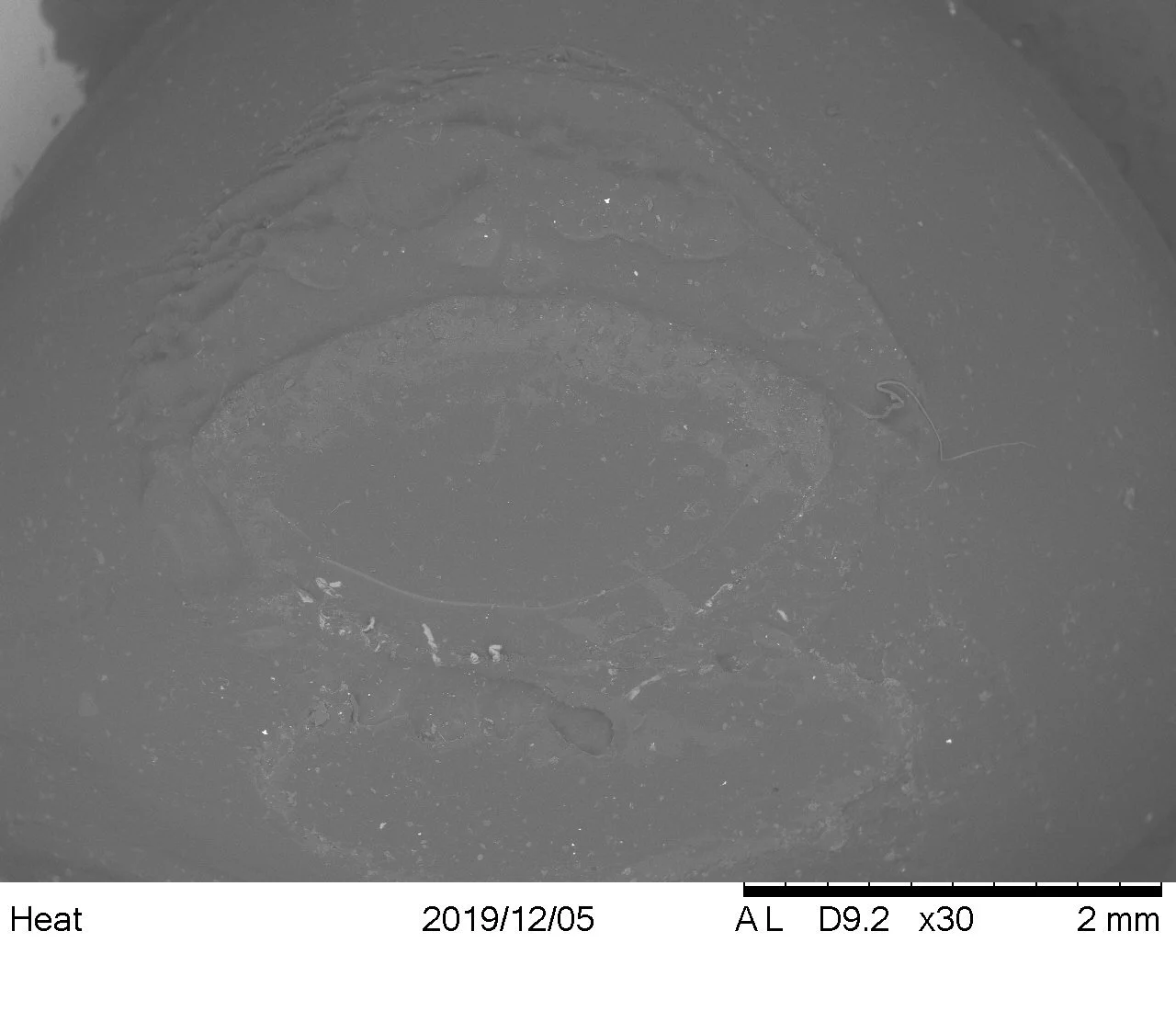
Polystyrene
Rhinestone gems from Cortesia with pressure sensitive adhesive backing
Woven nylon
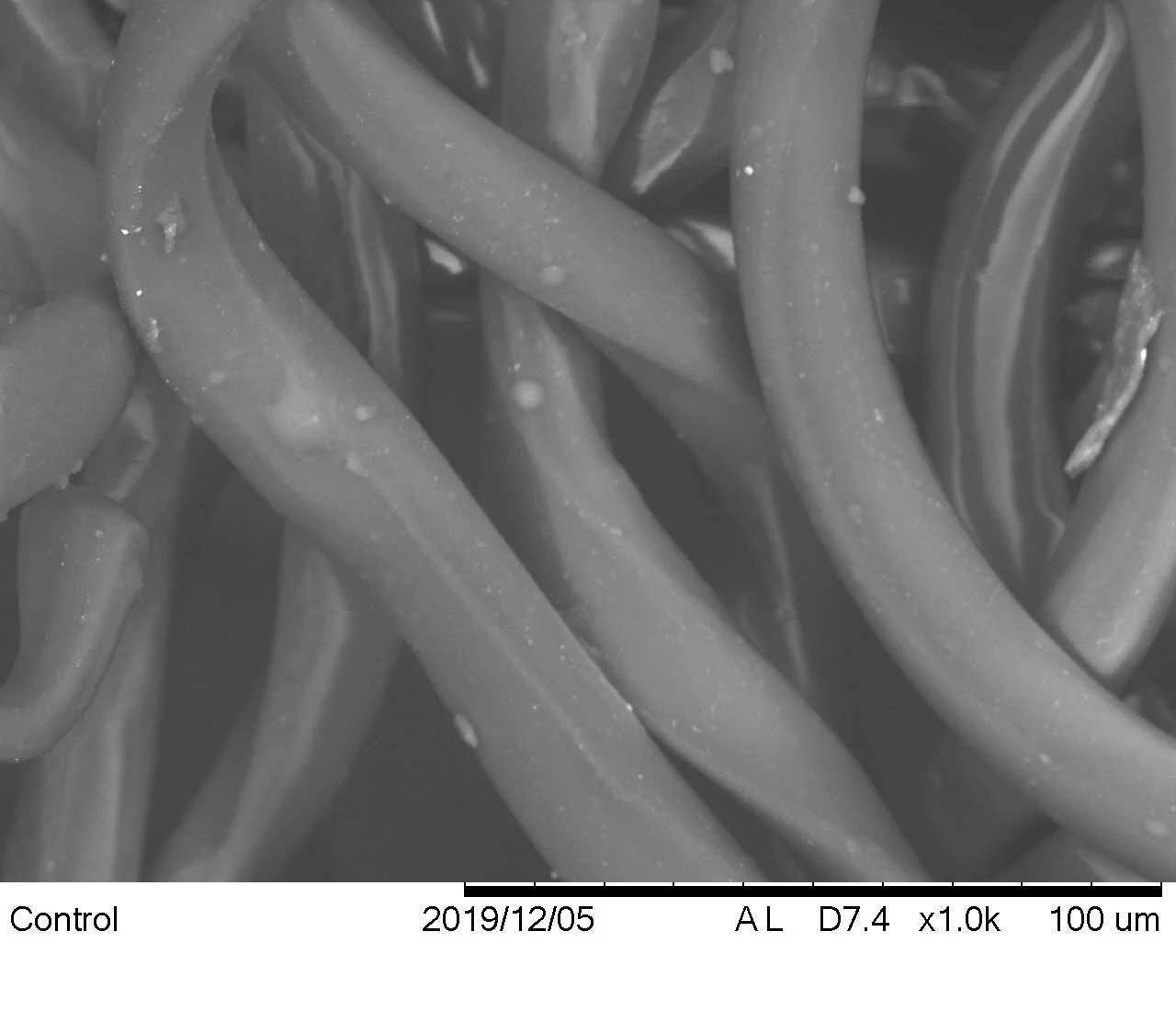
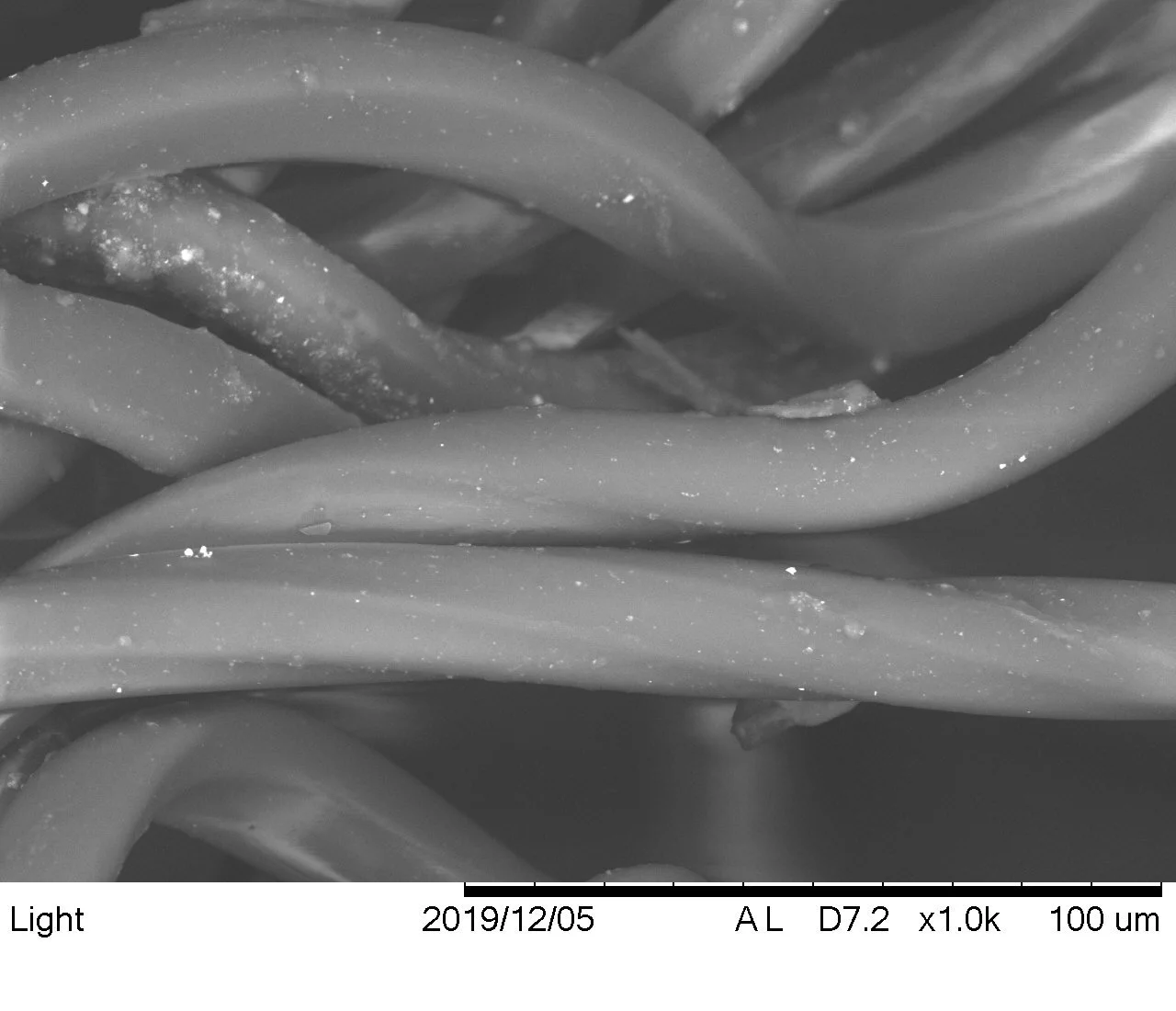
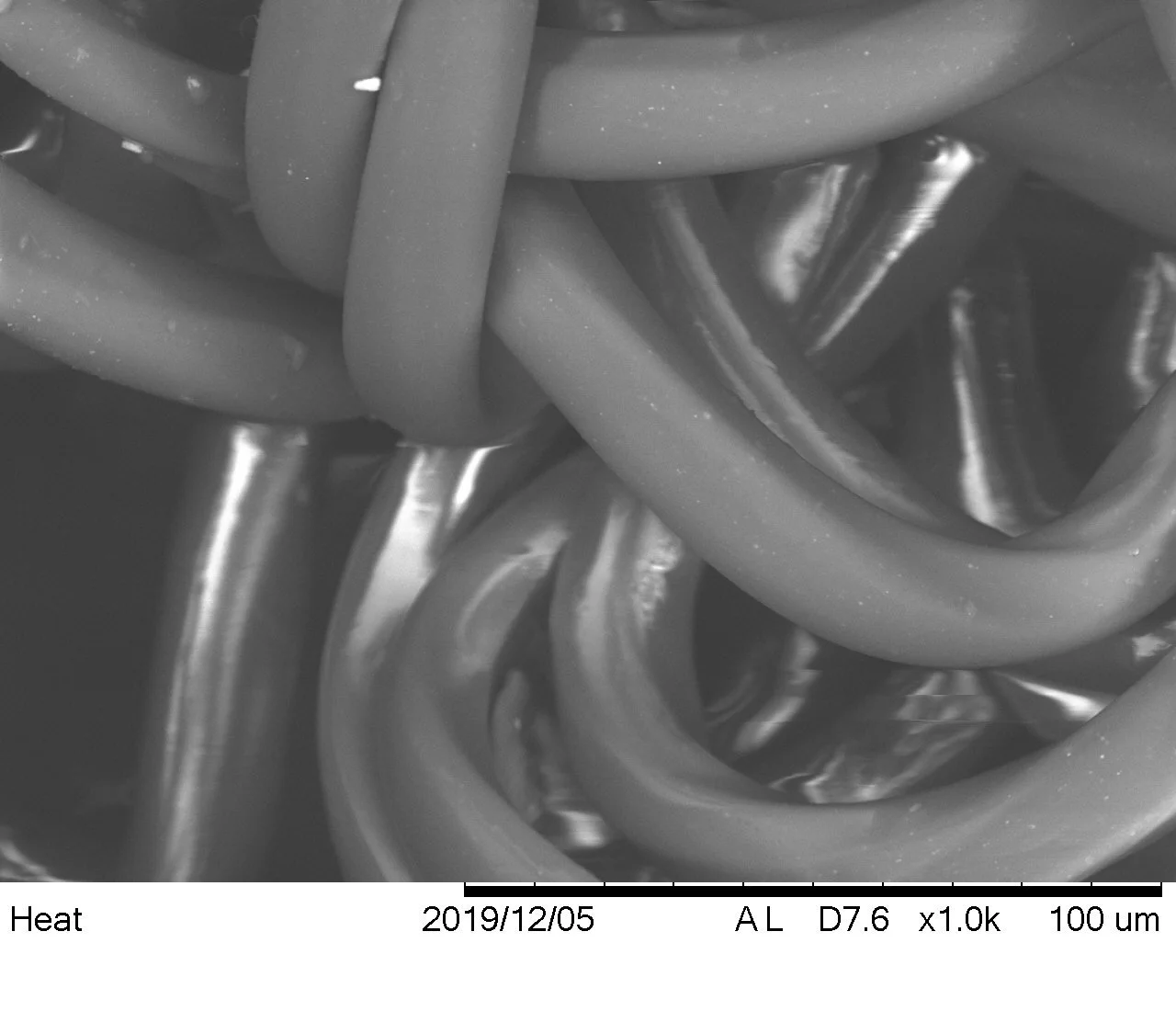
Nylon pantyhose from No Nonsense Great Shapes
Acrylonitrile styrene Acrylate
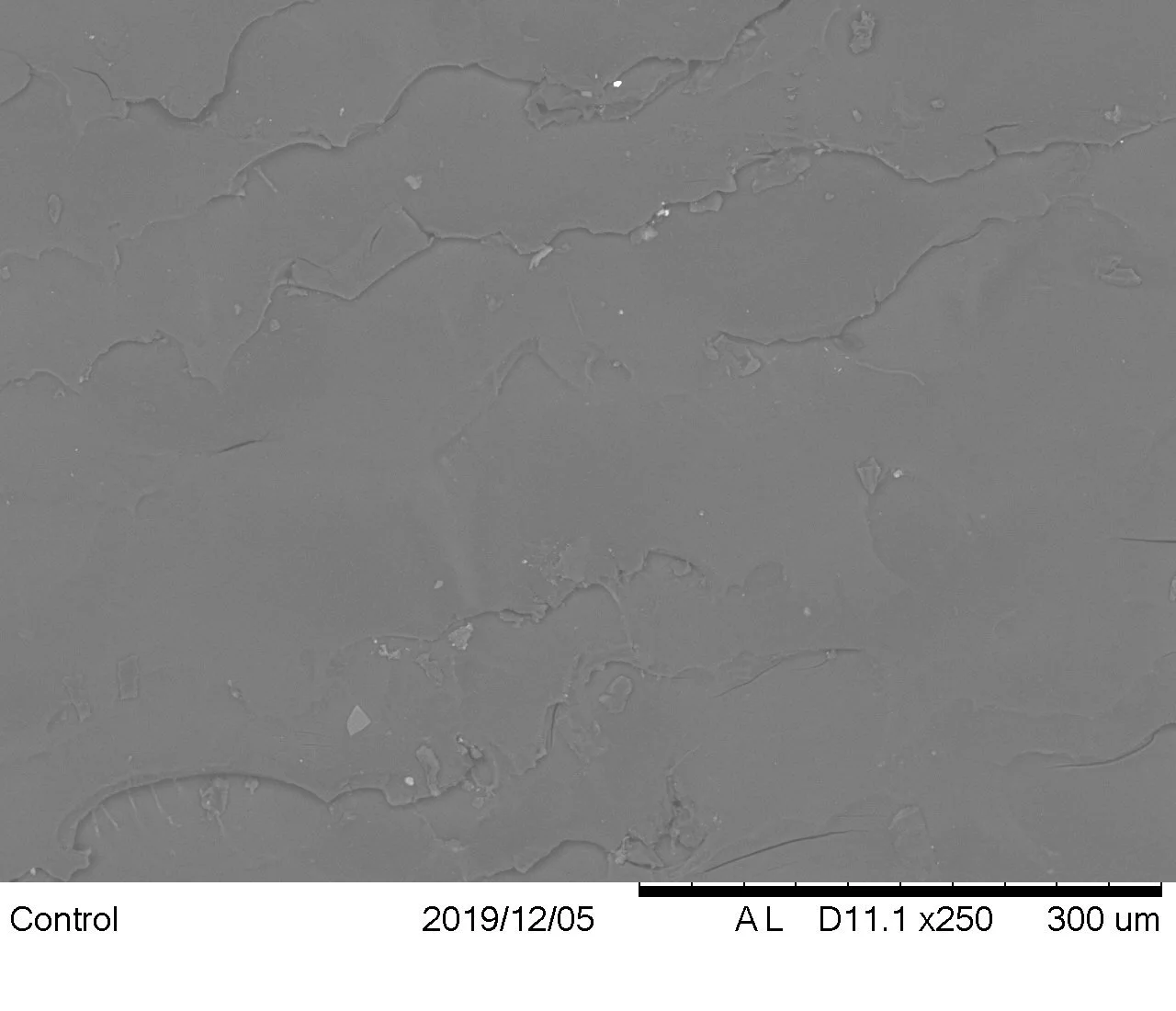
3D-printed plastic produces by Stratasys