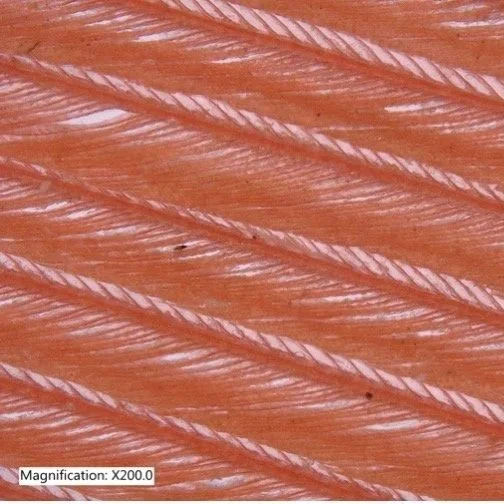
IMLS-funded project, Continuing Conservation Research Challenges: The Impact of Cleaning and the Preservation and Restoration of Color on Historic Taxidermy
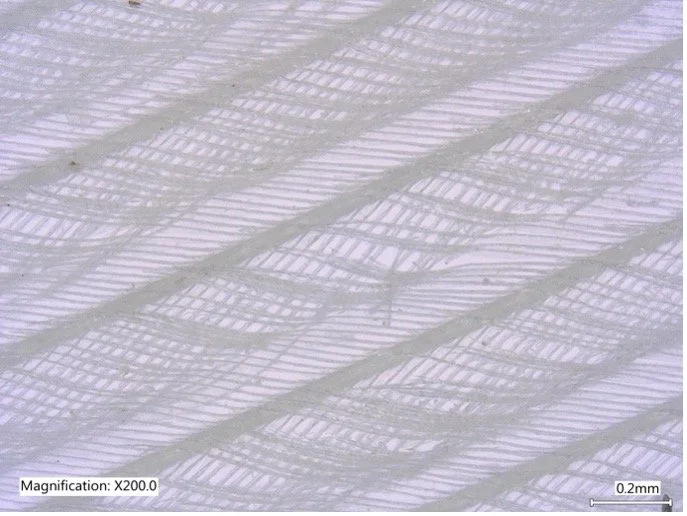
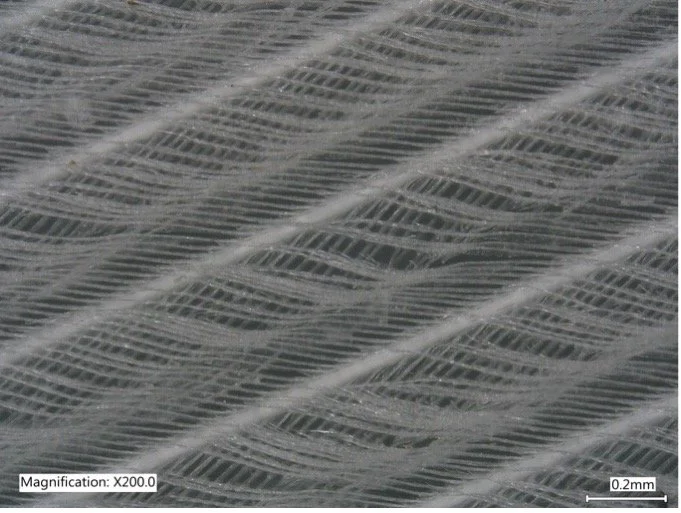
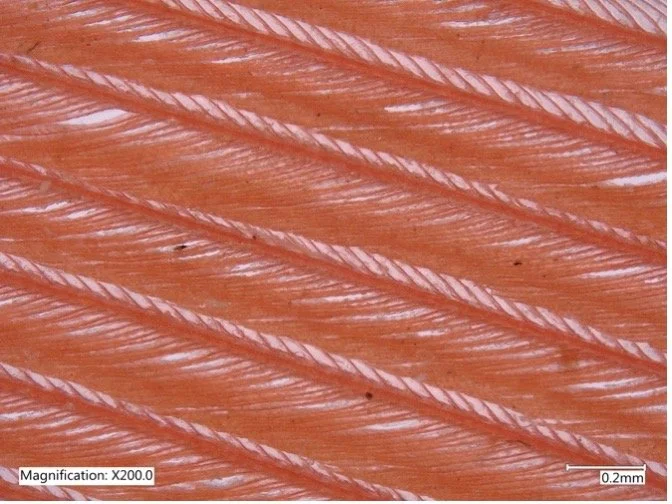
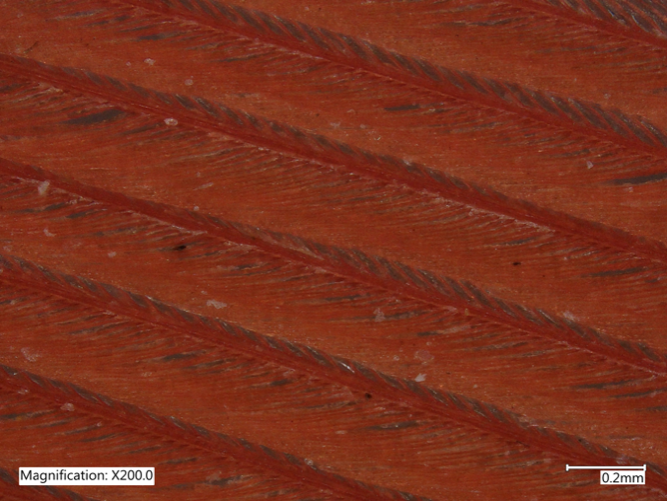
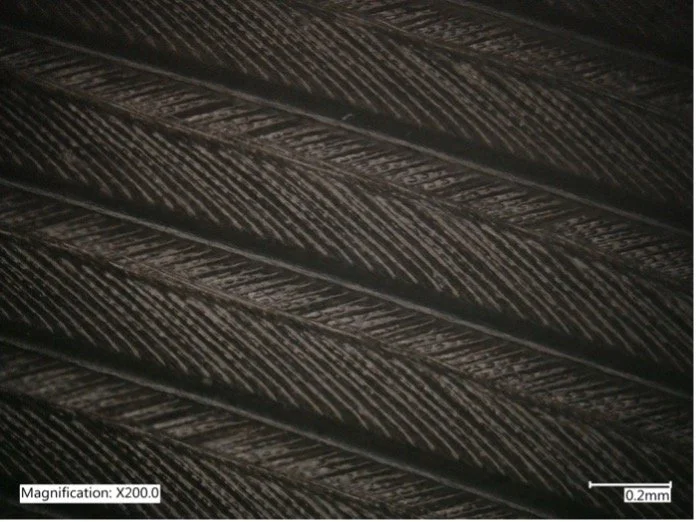
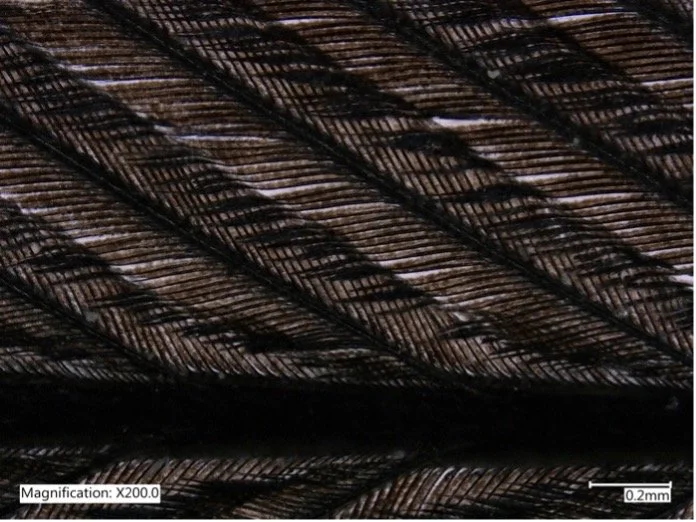
During my fourth-year graduate internship at the American Museum of Natural History, I worked part-time on an IMLS-funded project focused on the care and preservation of feathers. The project explored three key areas: the short- and long-term impacts of cleaning treatments, methods for restoring color loss, and the long-term effects of both synthetic and natural pesticides on feathers.
I contributed to all aspects of the project, with a primary focus on color restoration and pesticide-related research. My work also involved analytical and imaging techniques including digital microscopy, Fourier tranform infrared spectroscopy (FTIR), spectophotometry, and multiband imaging.
To learn more about this project, click here!
Recoloring
I also contributed to the research on methods for restoring color loss in feathers. Some of the initial results of this research were applied in practice for the restoration of several parrots displayed in the museum’s new building, the Richard Gilder Center for Science, Education, and Innovation. Using QoR pigments, we were able to reintegrate areas of color loss on the specimens on display.
To read the article I collaborated on at the American Museum of Natural History, click here!
Pesticides
I developed a protocol for long-term pesticide testing on feathers, establishing dosage levels, application methods, and experimental controls. Feathers were placed in sealed jars with scaled amounts of different pesticides, applied either directly or indirectly based on product instructions or documented use. Over at least ten years, the samples will be examined annually using imaging, spectrophotometry, and FTIR to track changes in structure, color, and oxidation compared to control samples.