Archeological Conservation
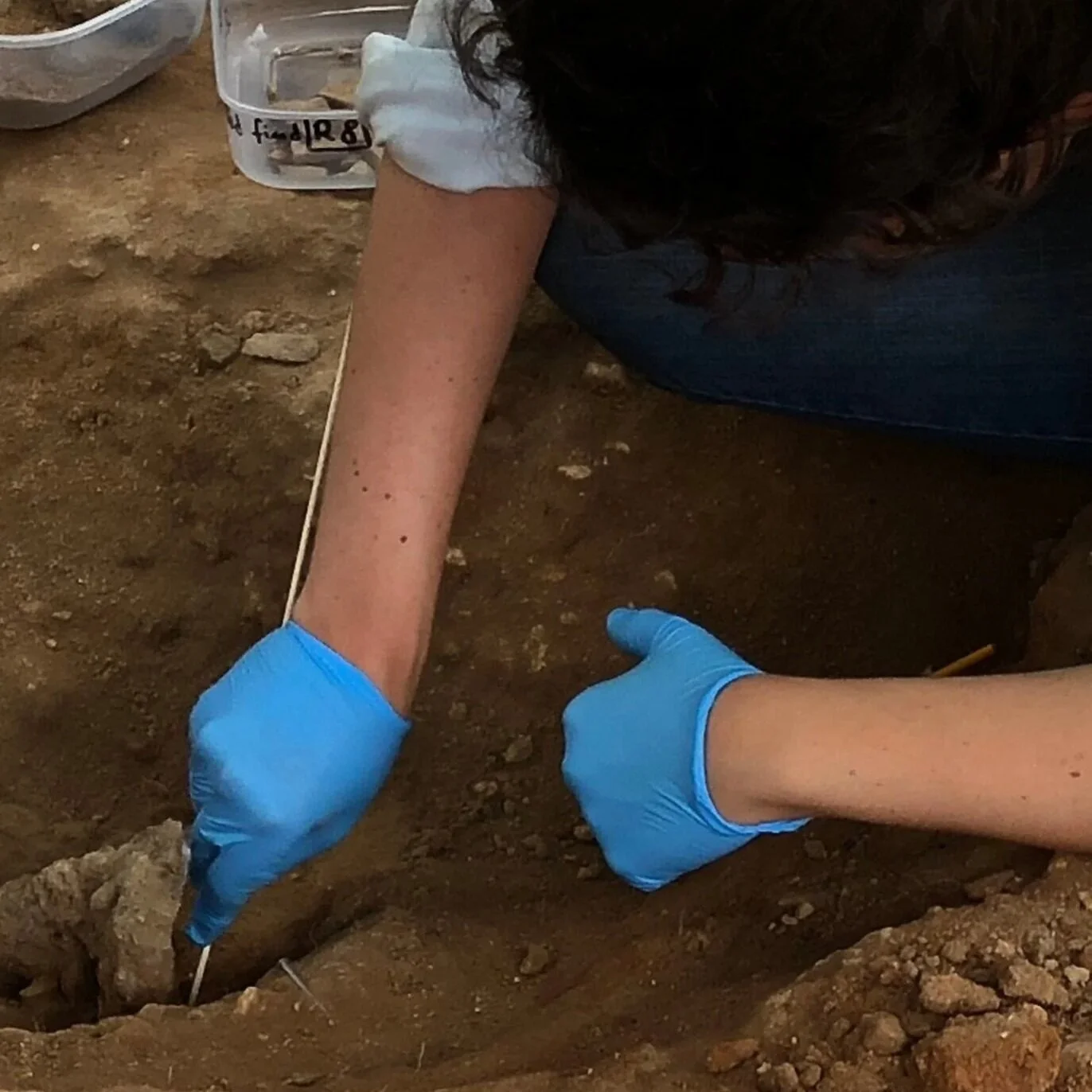
During the summer of 2018, I traveled to two active excavations, the first for four week in Sicily, Italy at Selinunte, and the second for six weeks in Samothrace, Greece at the Sanctuary of the Great Gods. I enjoyed being part of a large team of archeologists, conservators, and researchers all invested on a single site and I decided to return to Selinunte in the summer of 2019 to continue the work I had left off the previous season.
Selinunte (2018, 2019)
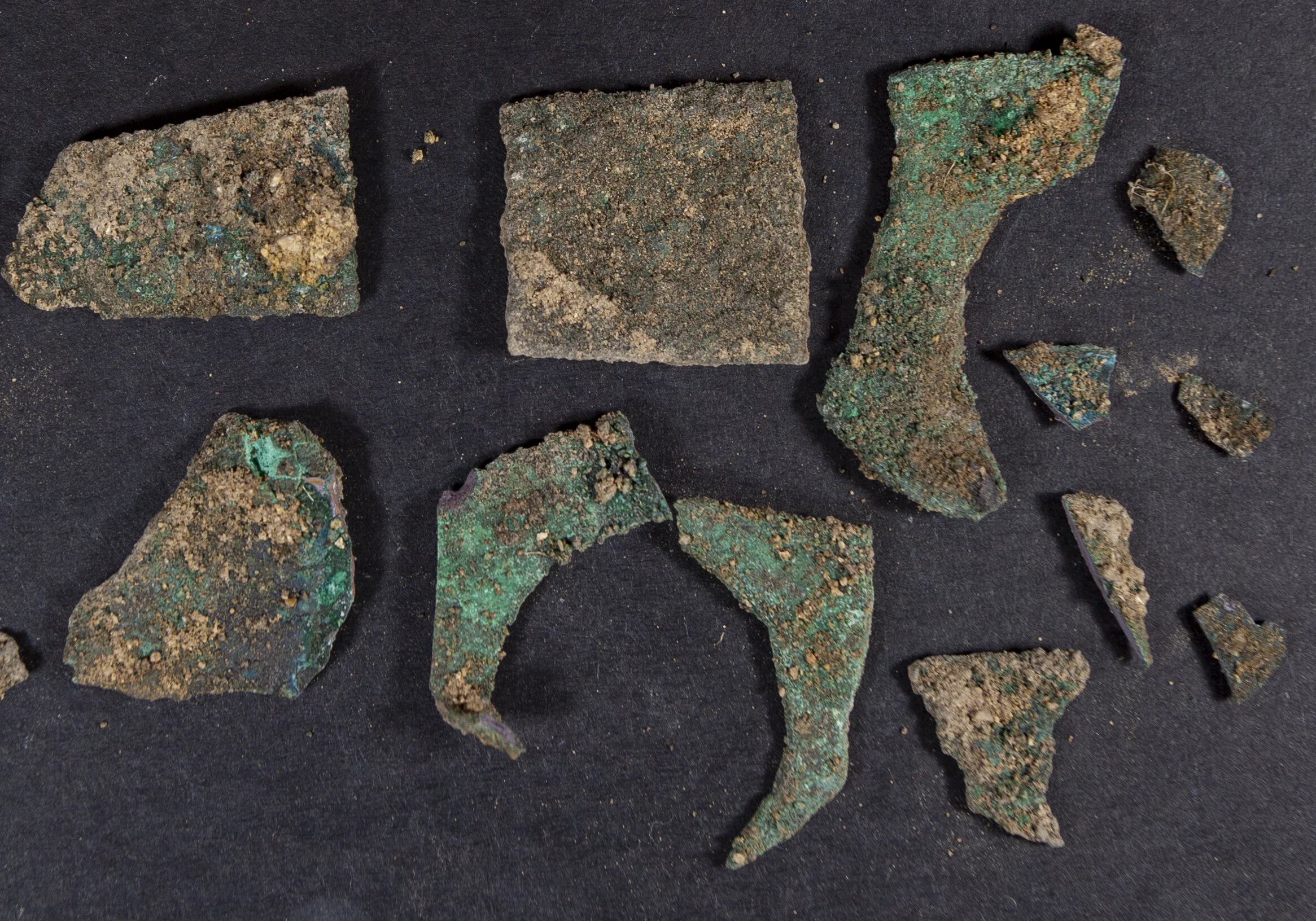
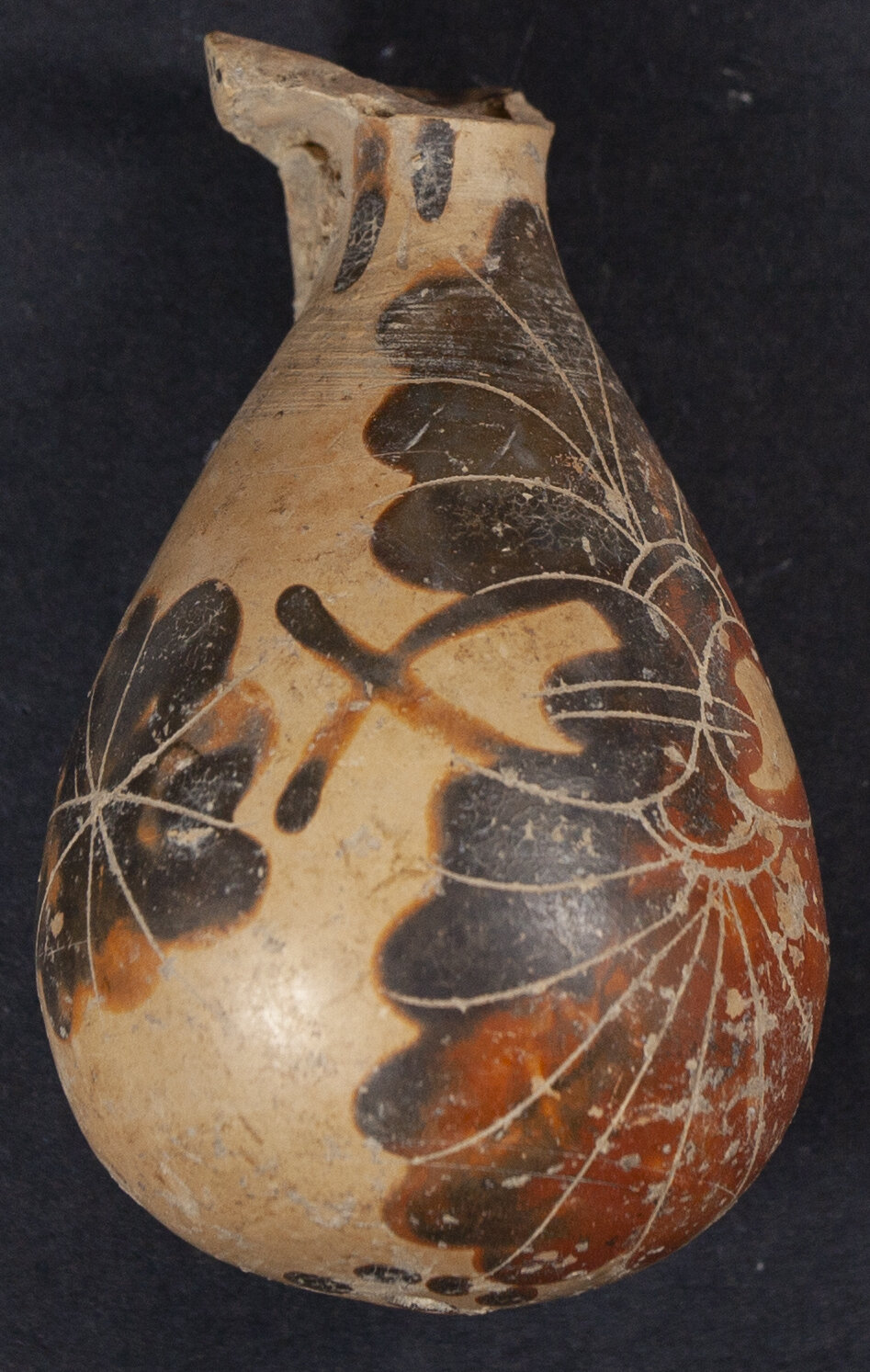
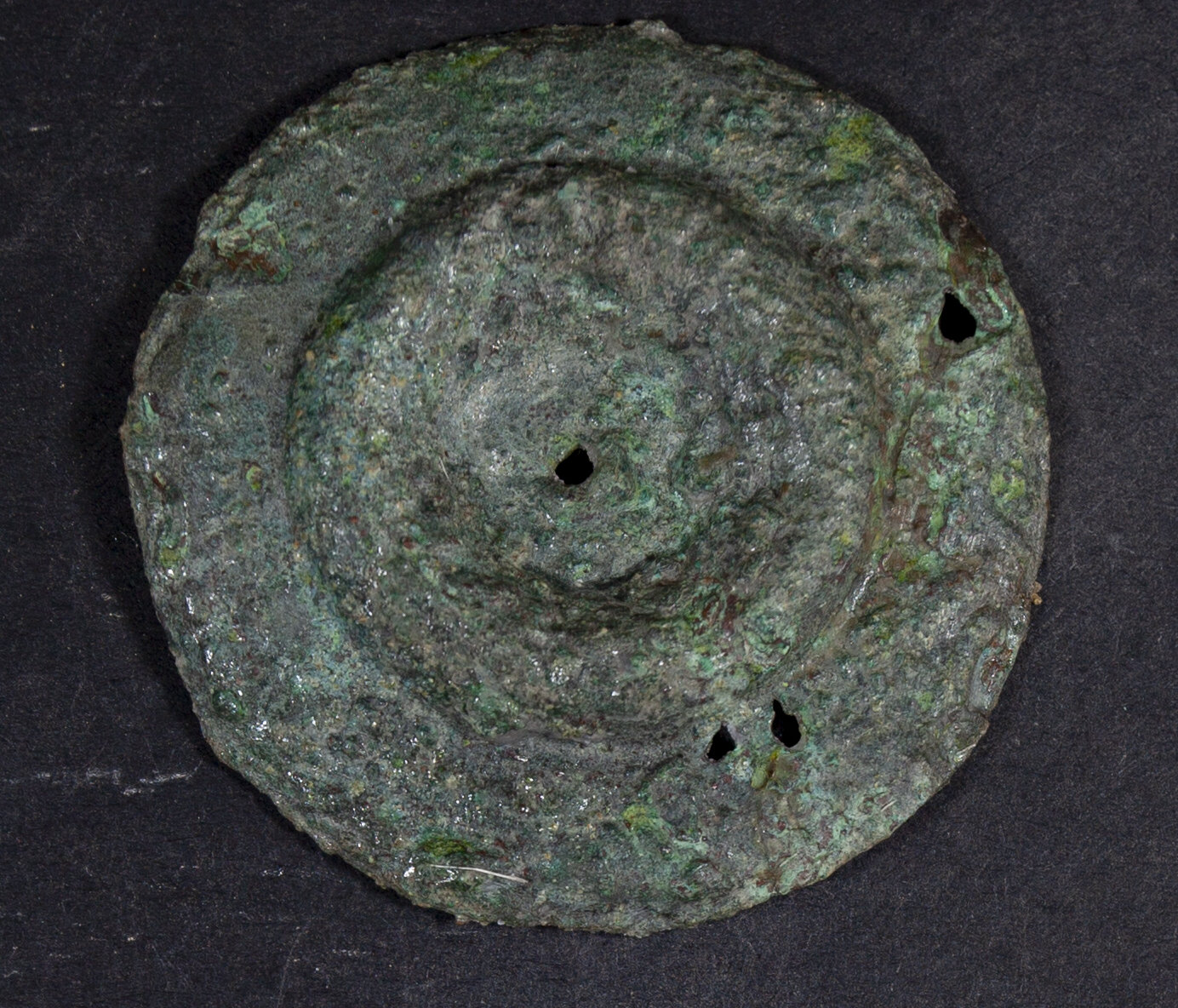
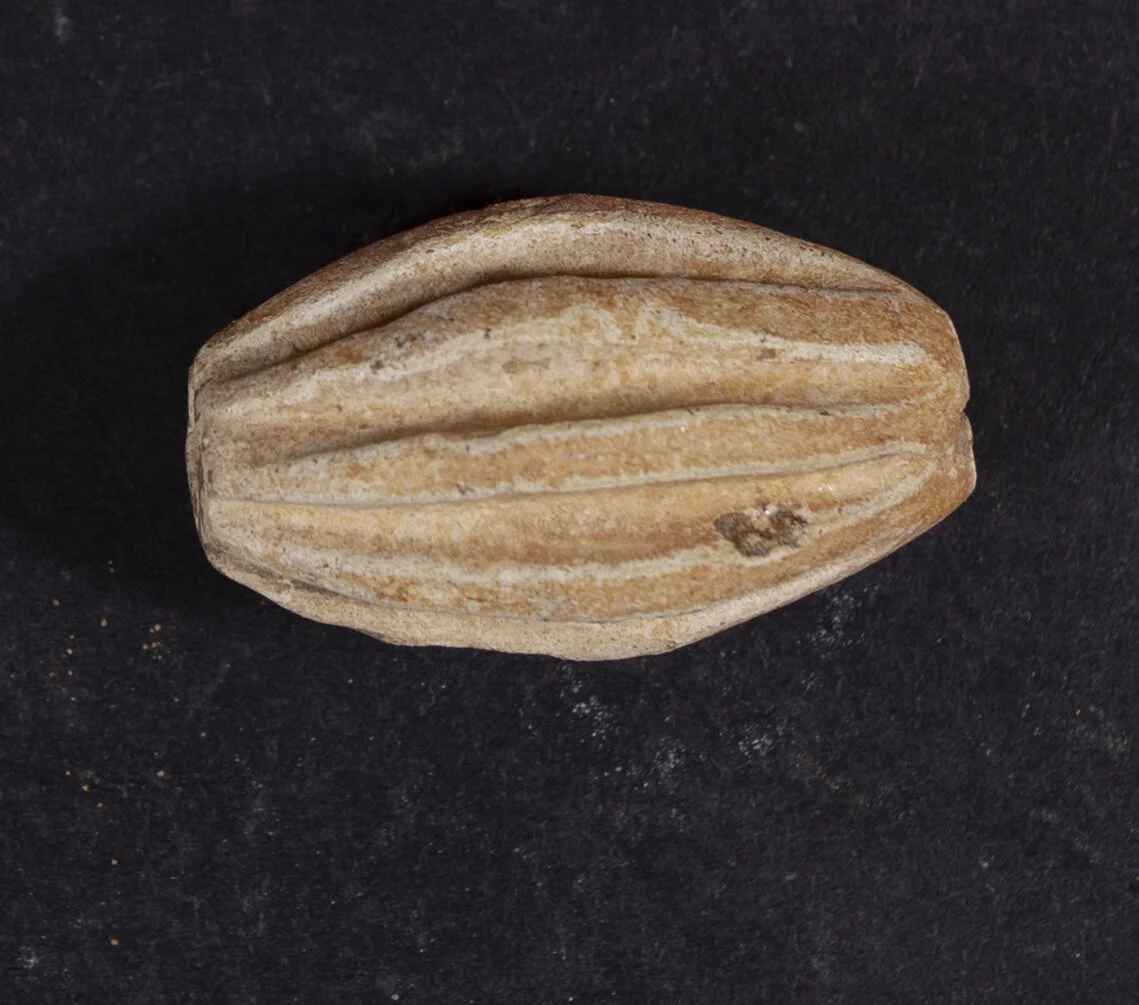
Selinunte is one of the most important archeological sites of the Greek period in Sicily. The site was famous for its monumental temples and prospered from the second half of the seventh century to the middle of the third century B.C.E. In 2006, the Institute of Fine Arts, under the direction of Clemente Marconi, and with the support of the Superintendency of Trapani, began excavation in 2006. Collaboration with the University of Milan students began in the 2018 season, and continued in the following season. During my time, the focus has been on the souther portion of Temple C, Temple B, and Temple R, with excavation taking place in two trenches.
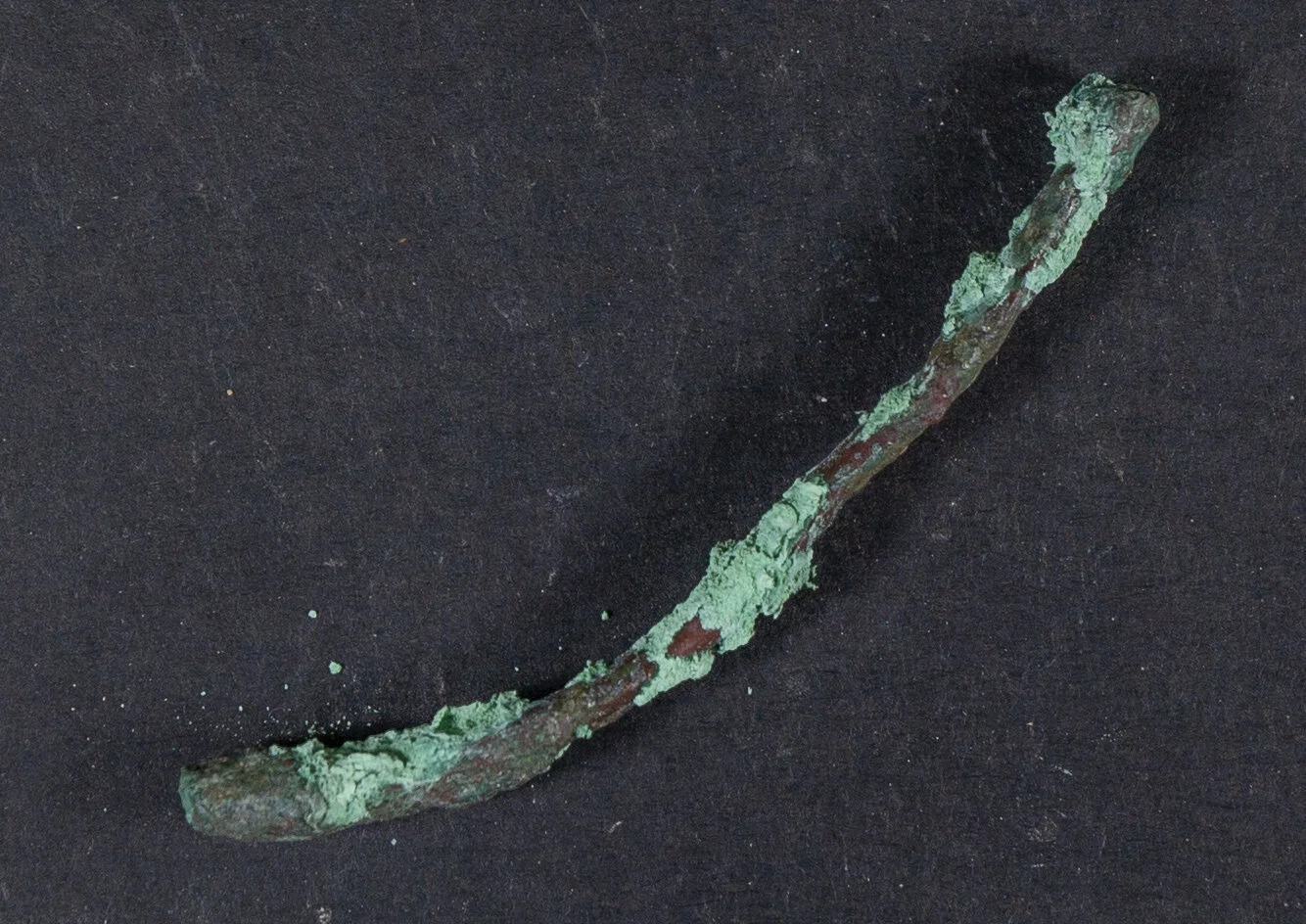
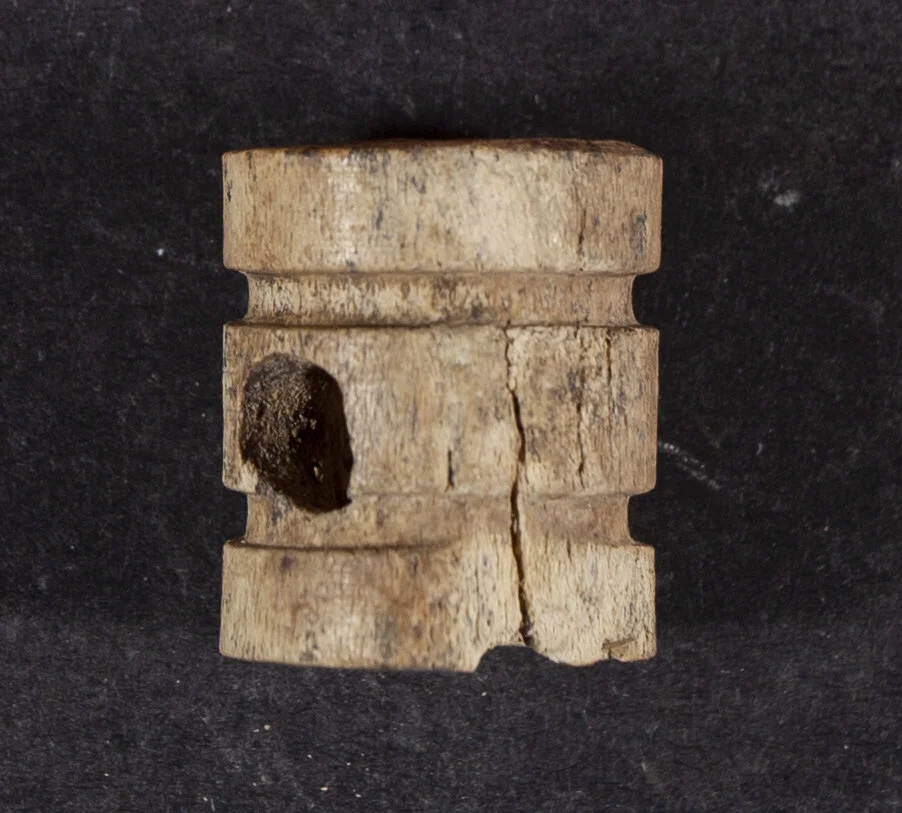
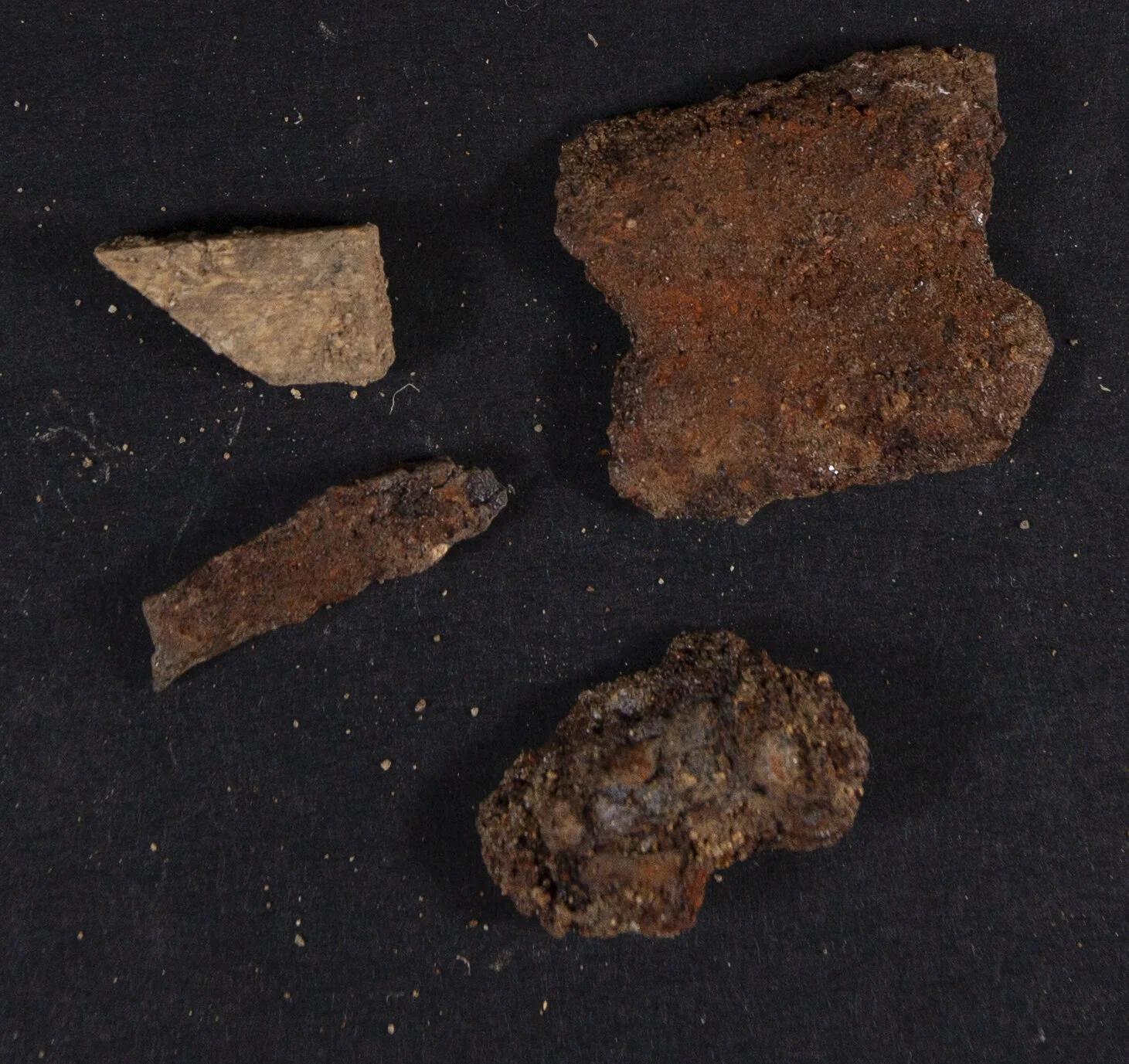
Treatment of Iron Spearheads for Exhibit
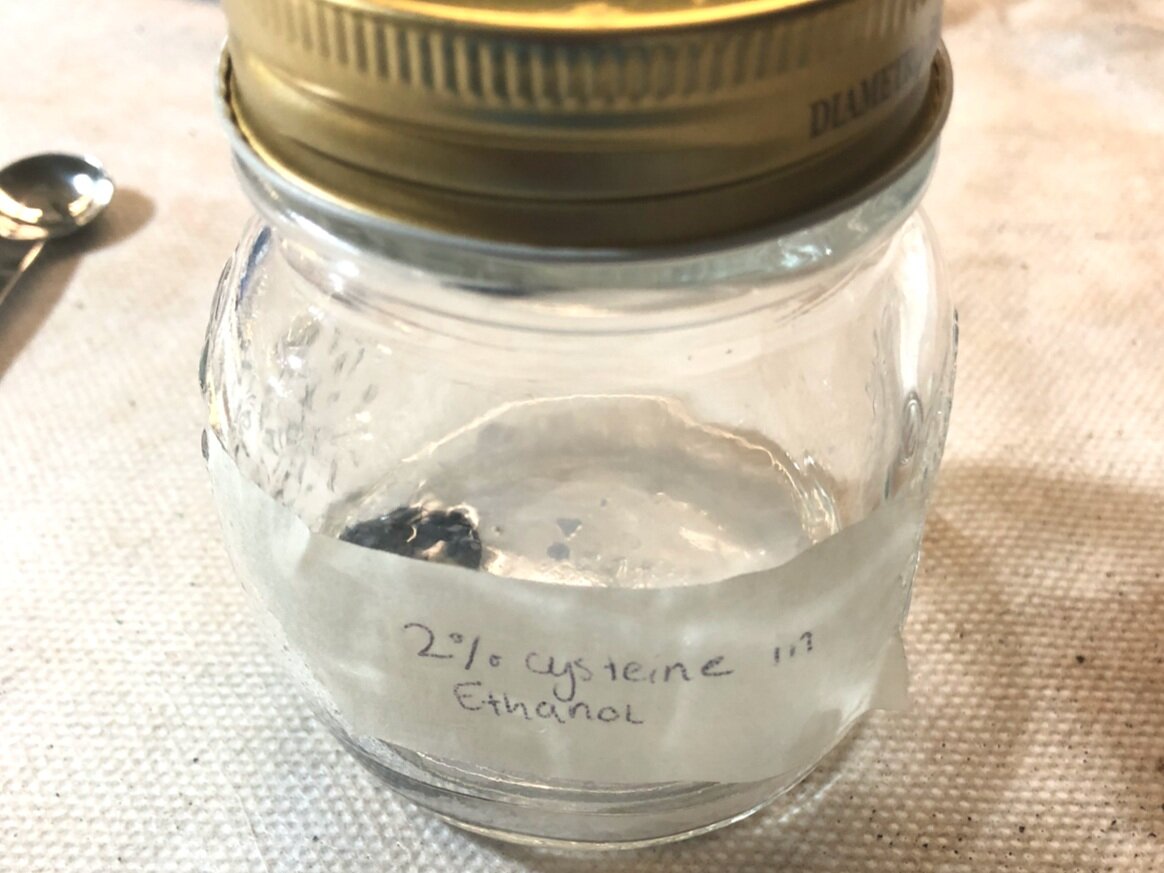
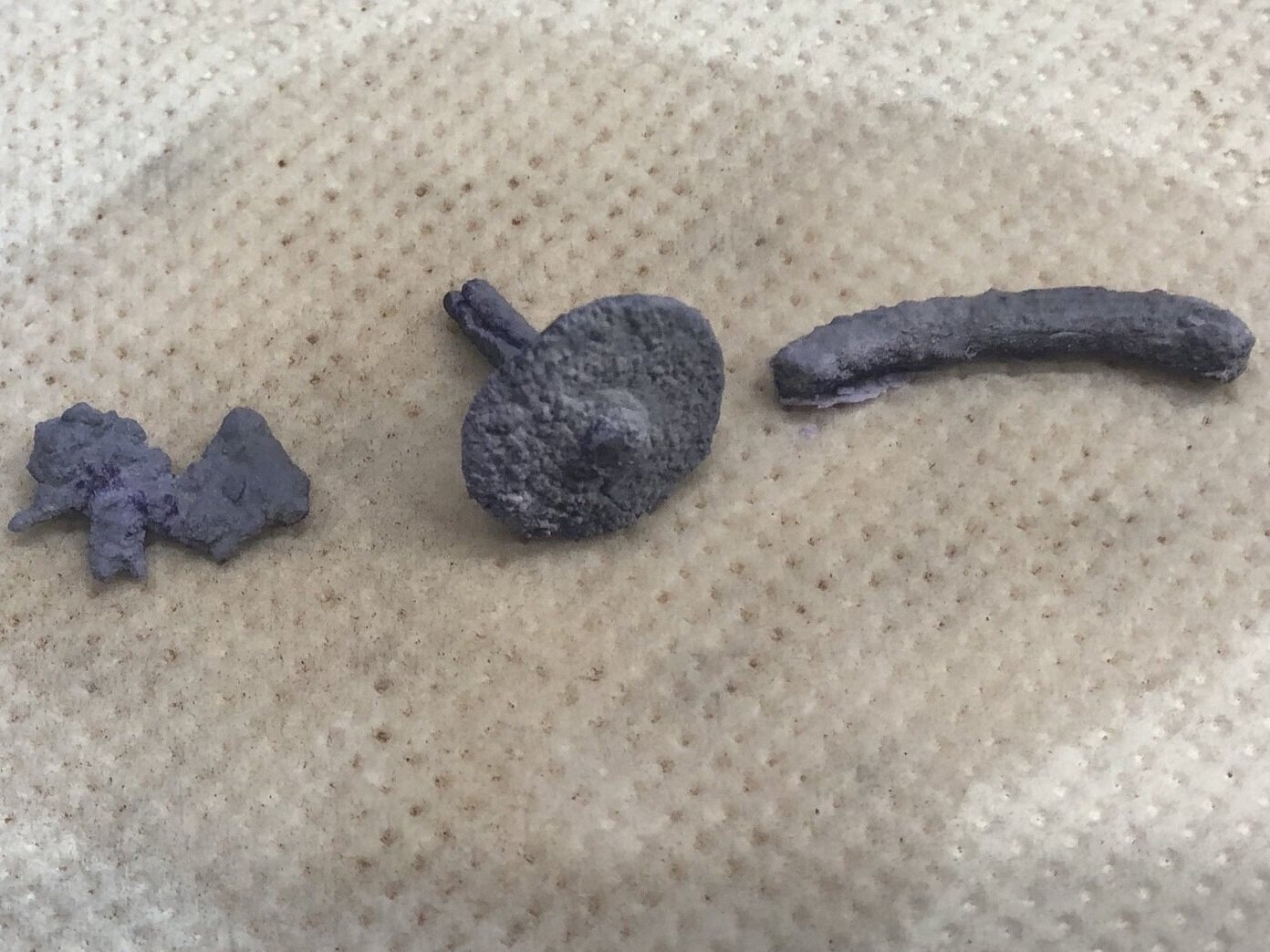
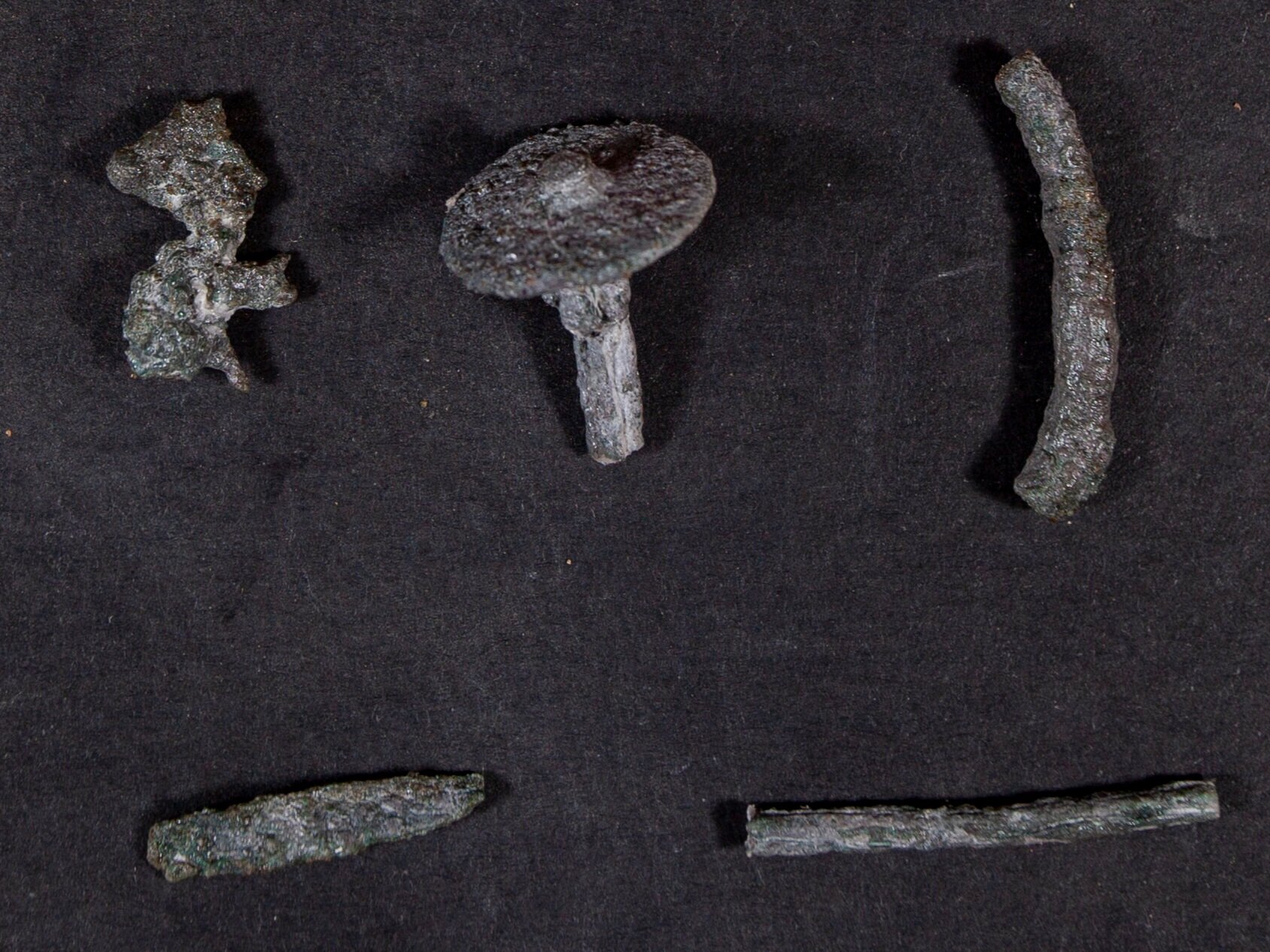
Cysteine Corrosion Inhibitor for Copper Alloy Metals
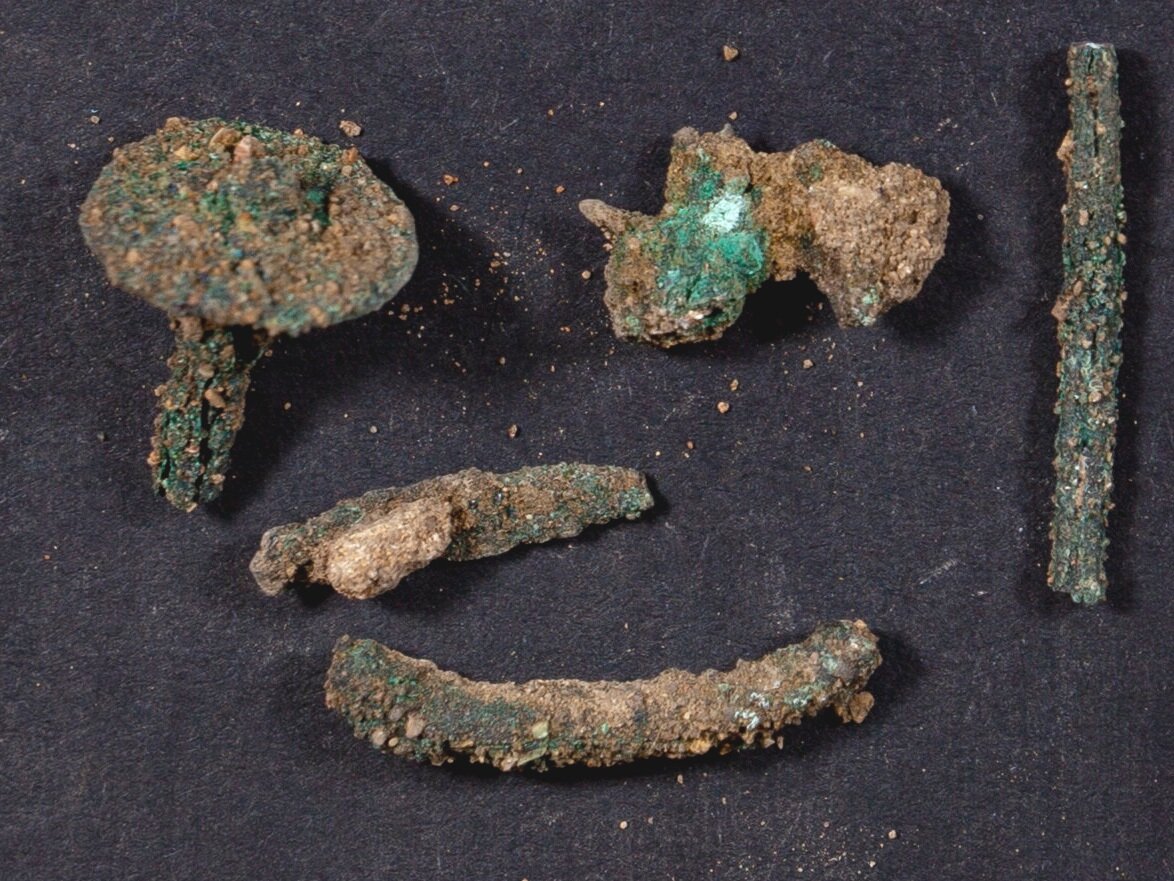
Samothrace (2018)
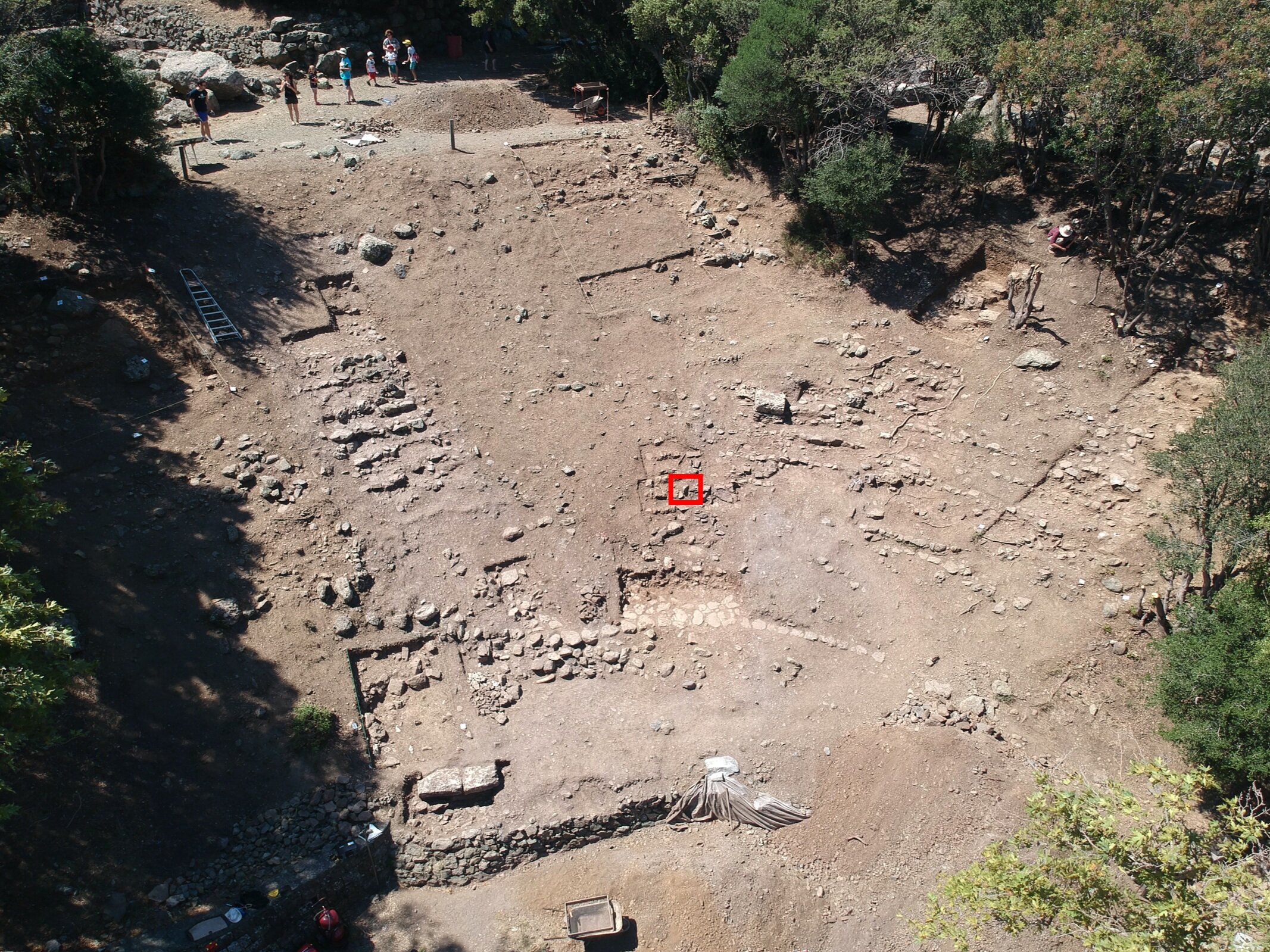
The Sanctuary of the Great Gods is an archeological site on the island of Samothrace in Greece and served throughout ancient Greece as the location of a mystery religion. During the Hellenistic period it formed a Macedonian sanctuary under Philip II and continued to be an important site in the Roman period. The summer of 2018 was the first year of active excavation in 22 years, and was a joint effort from Emory University and NYU under Director, Bonna Westcoat. The focus of excavation was to clean and articulate architectural details of the theater, as two earlier excavation campaigns in the early 20th century at this location had provided contradicting ideas.
Cleaning of the Orthostate Monument
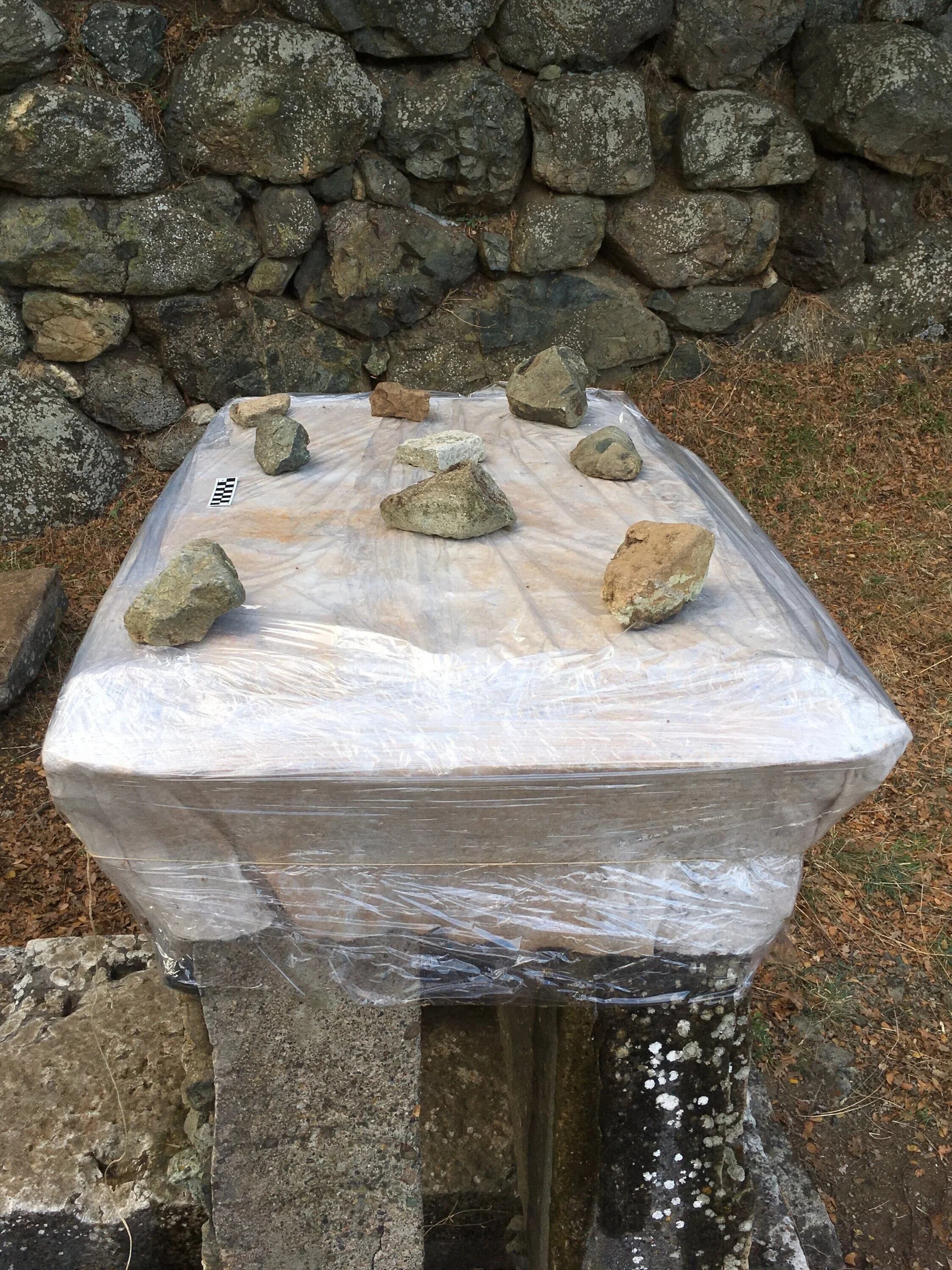
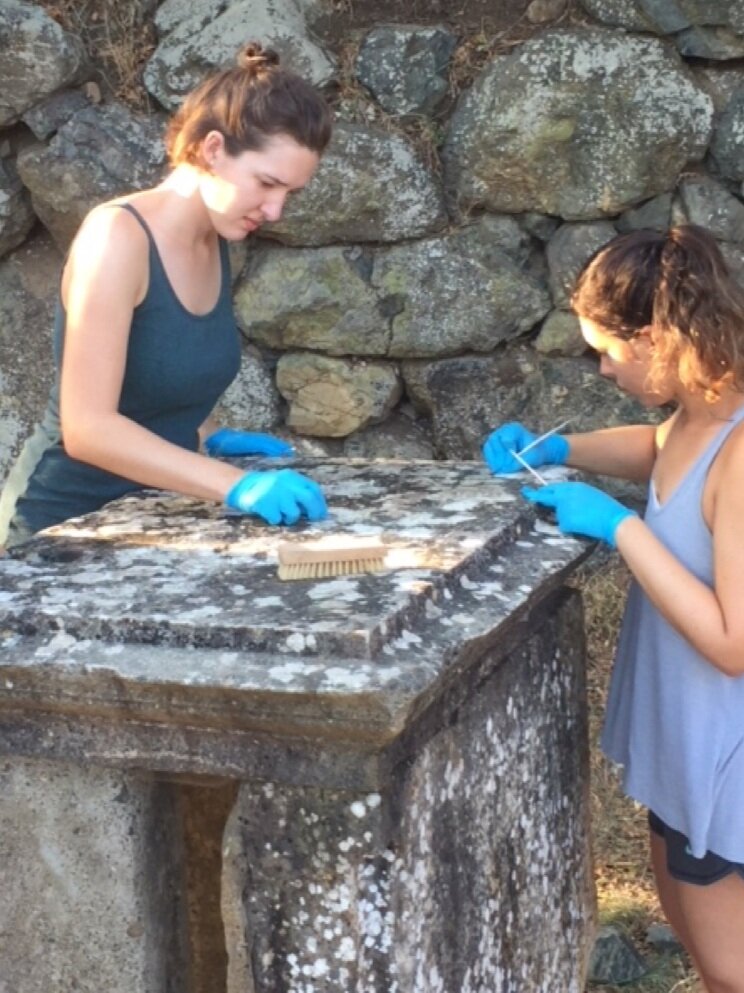
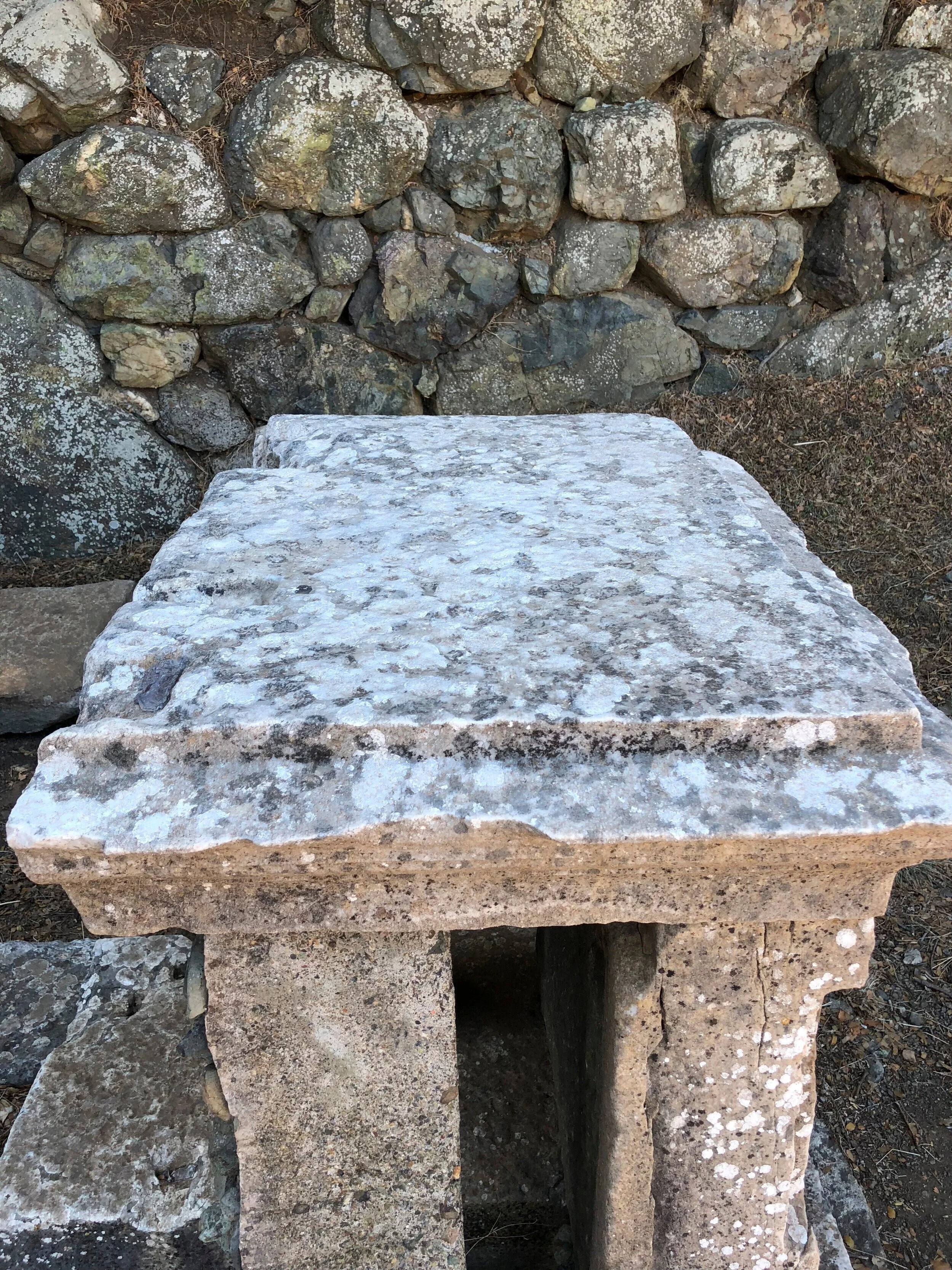
Stabilization of the Mosaic Floor in the Dedication of Philip III and Alexander IV
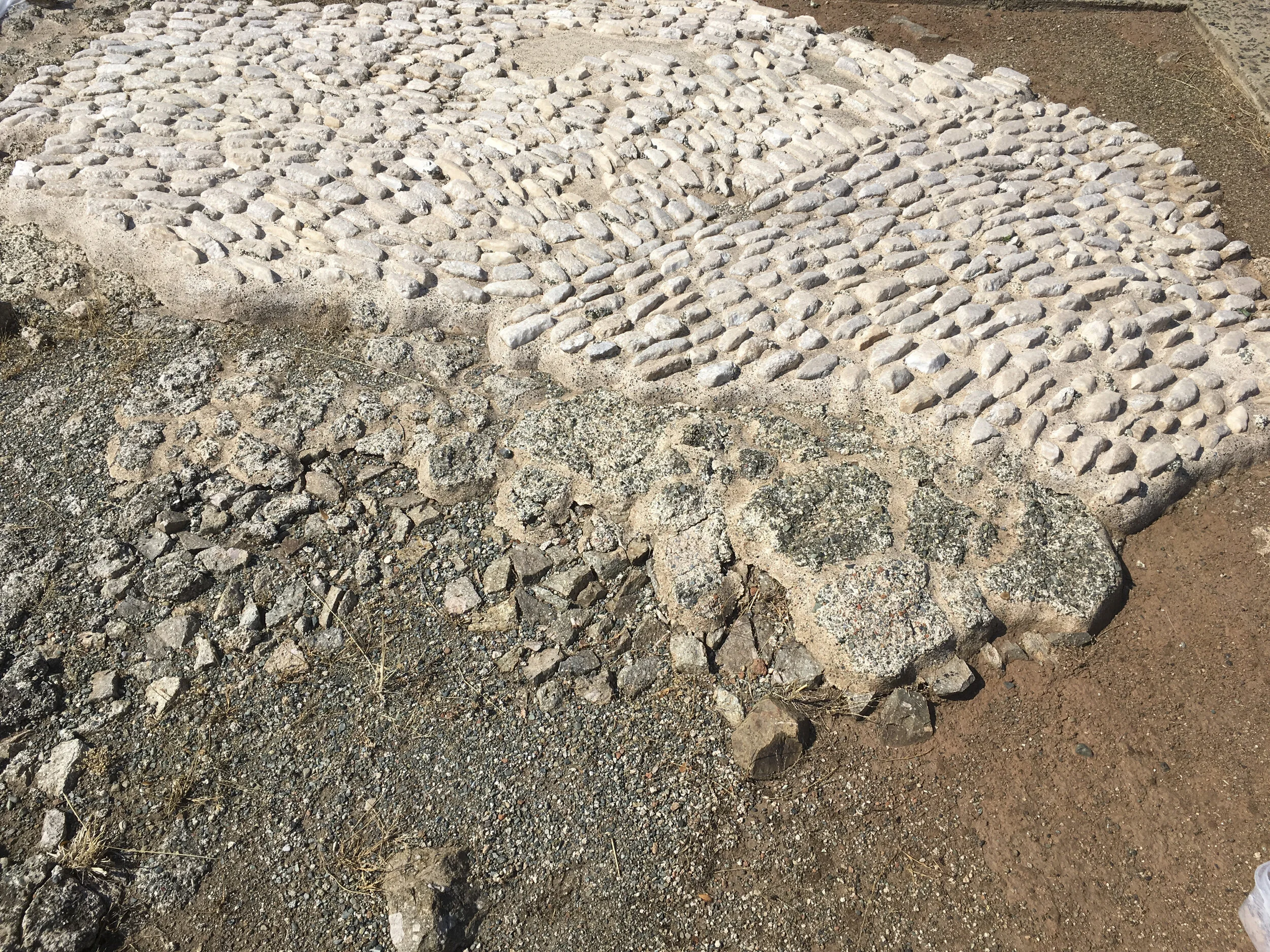
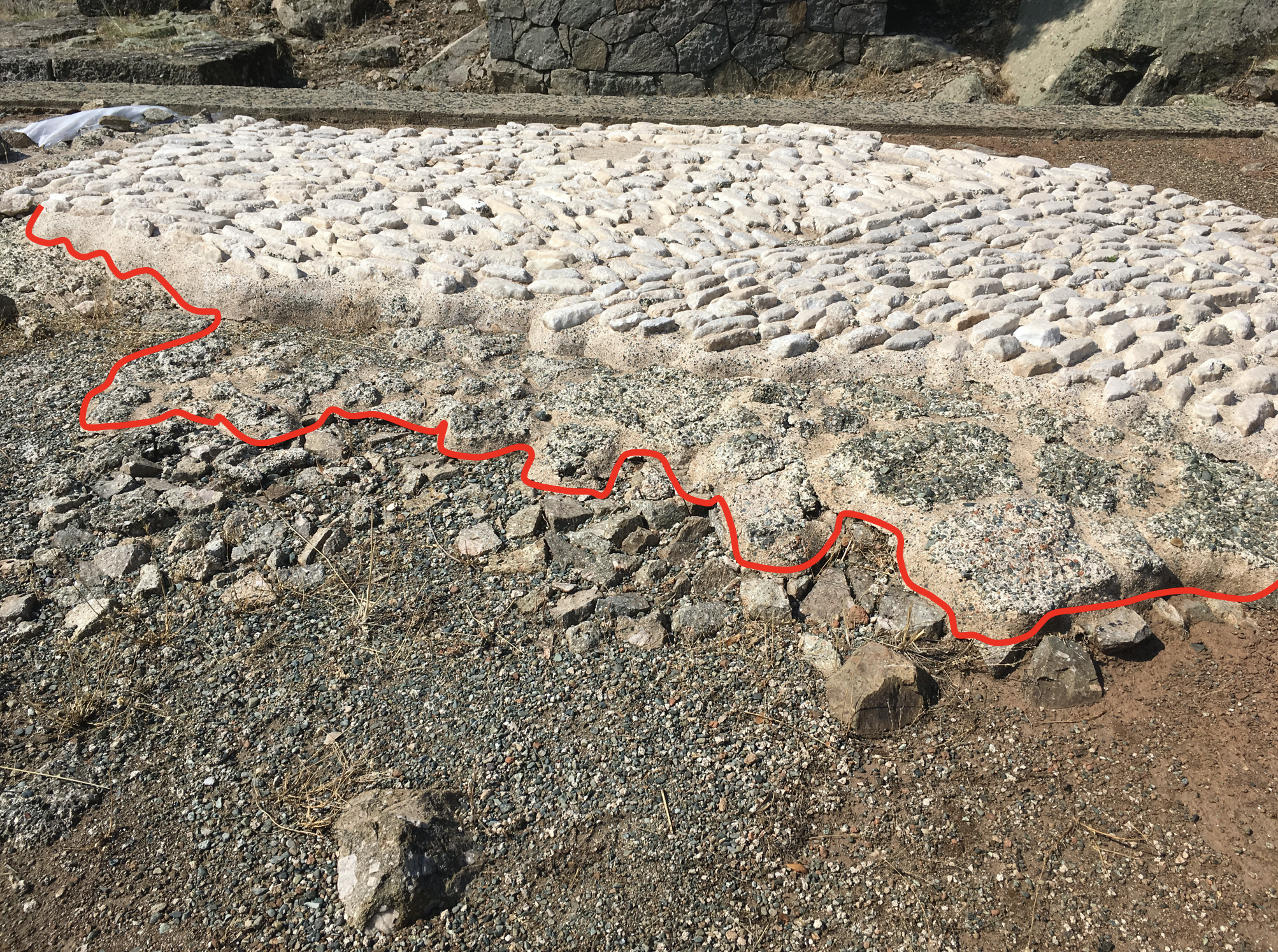
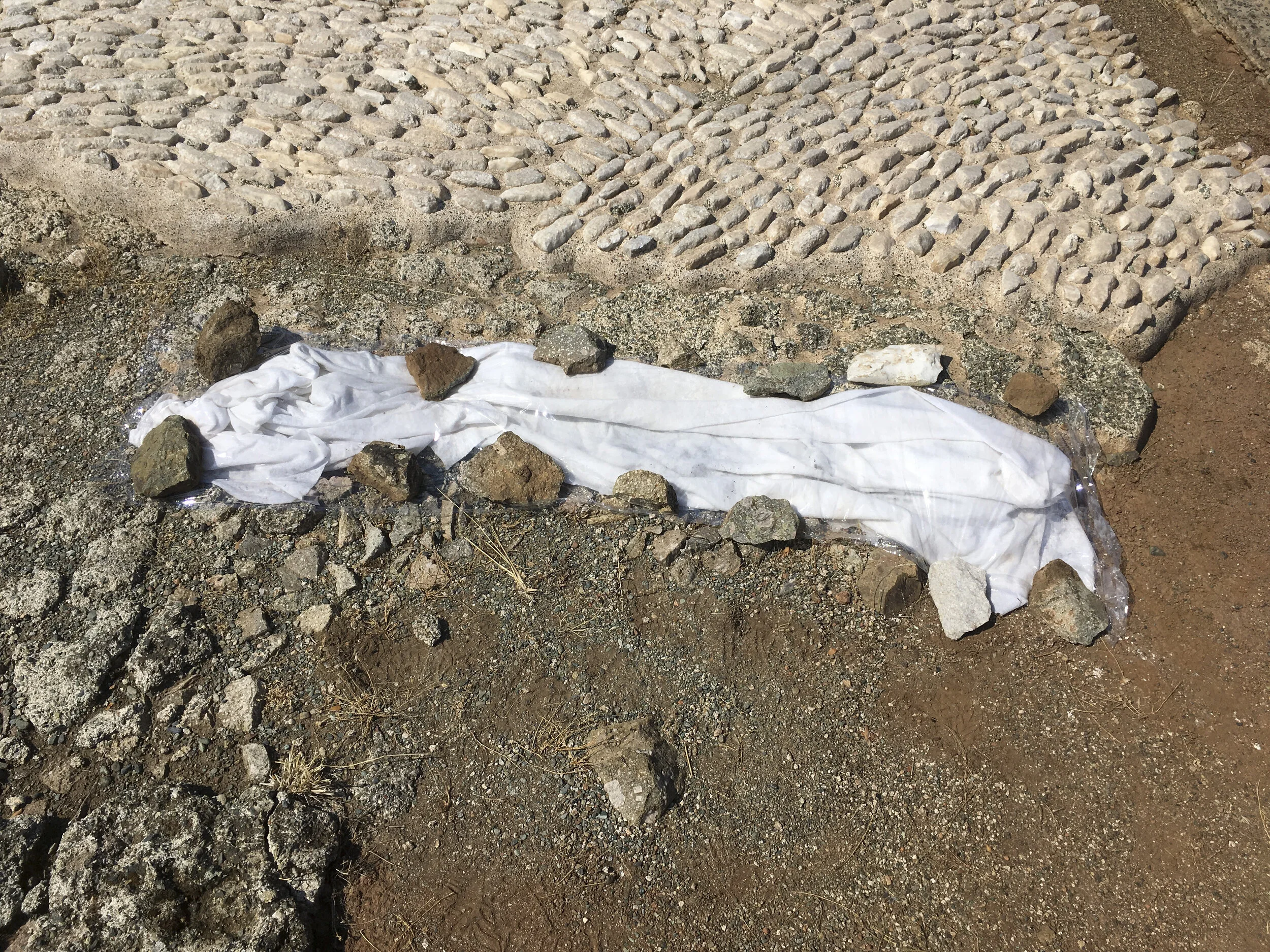
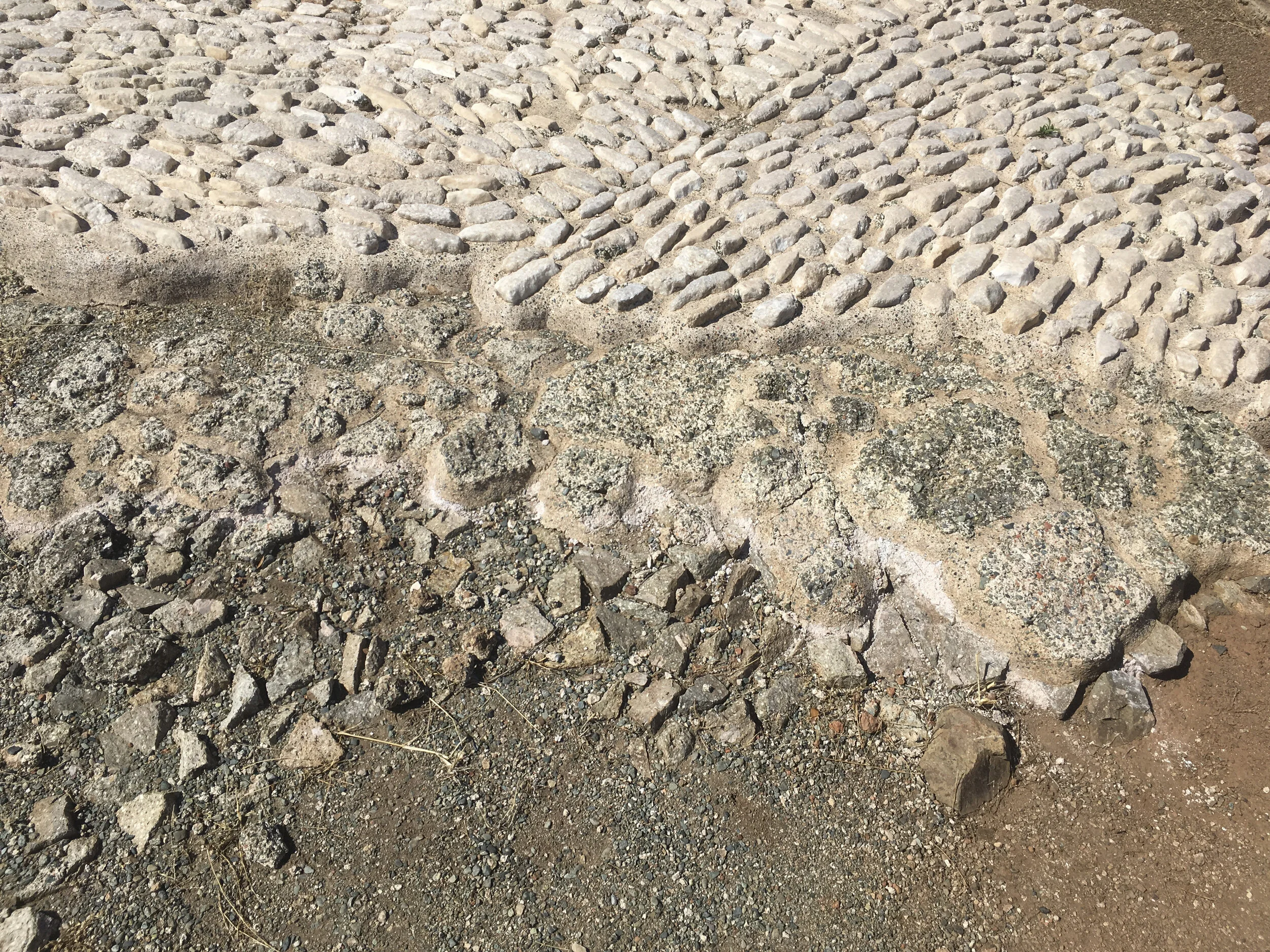
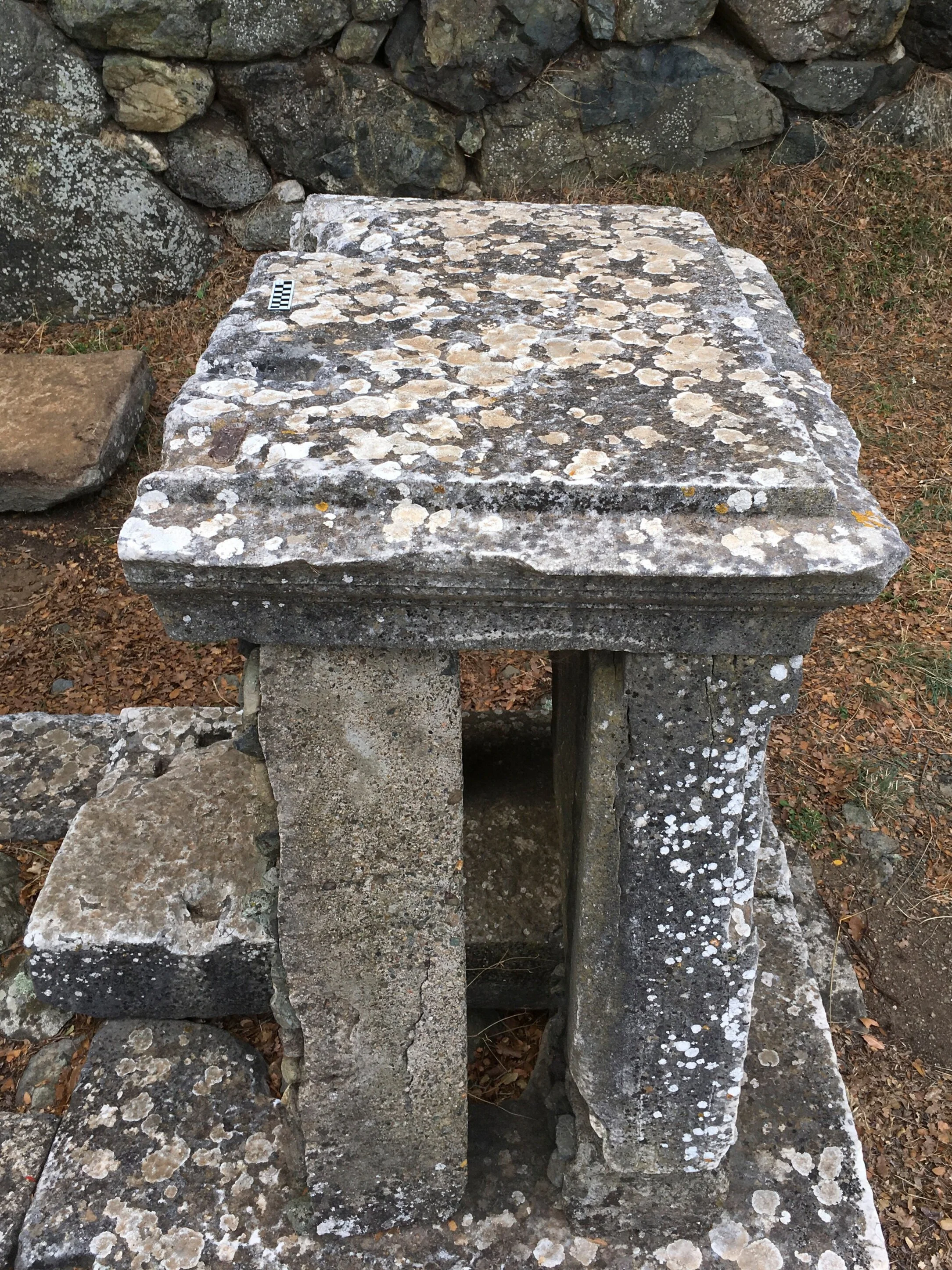
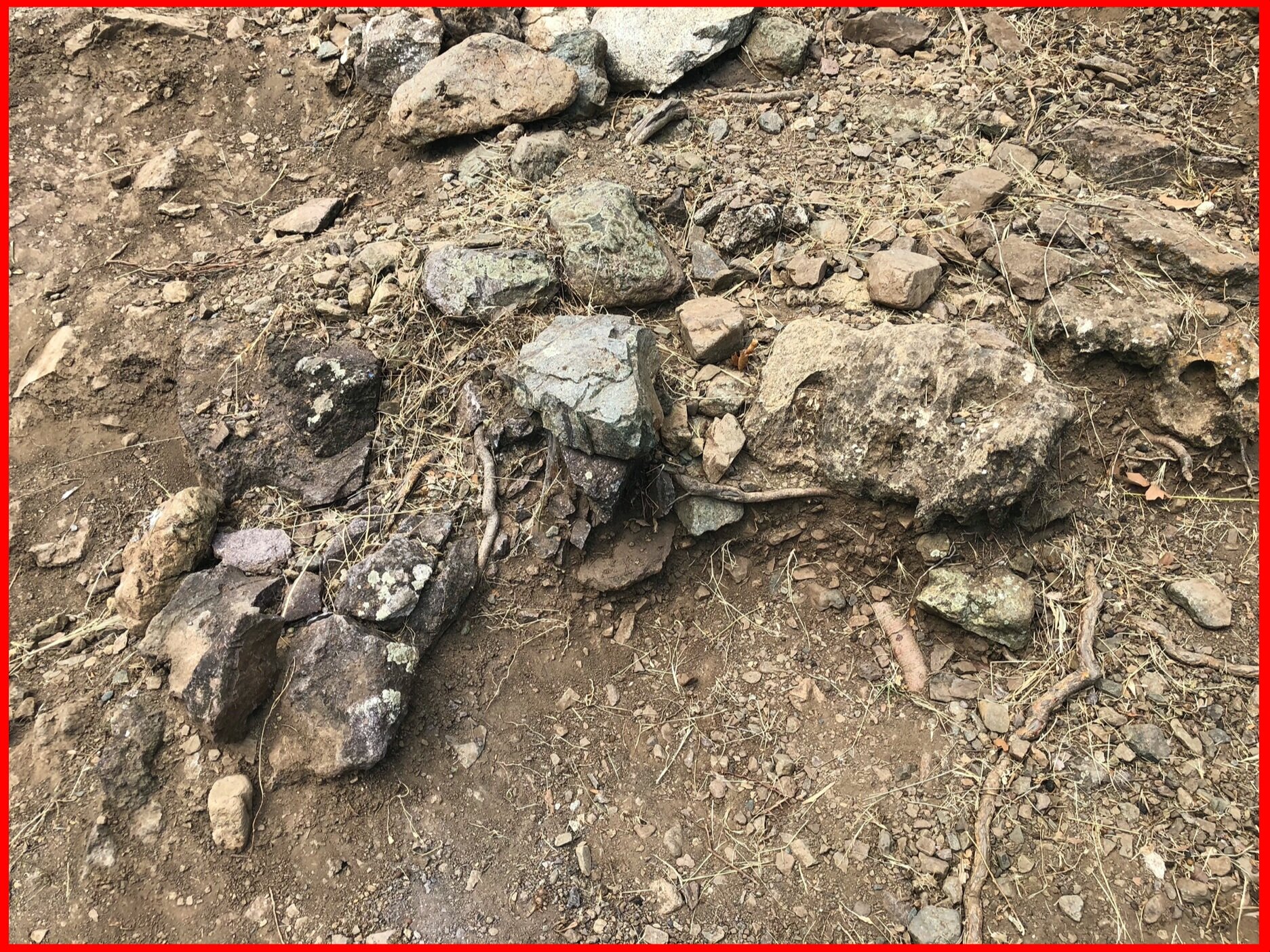
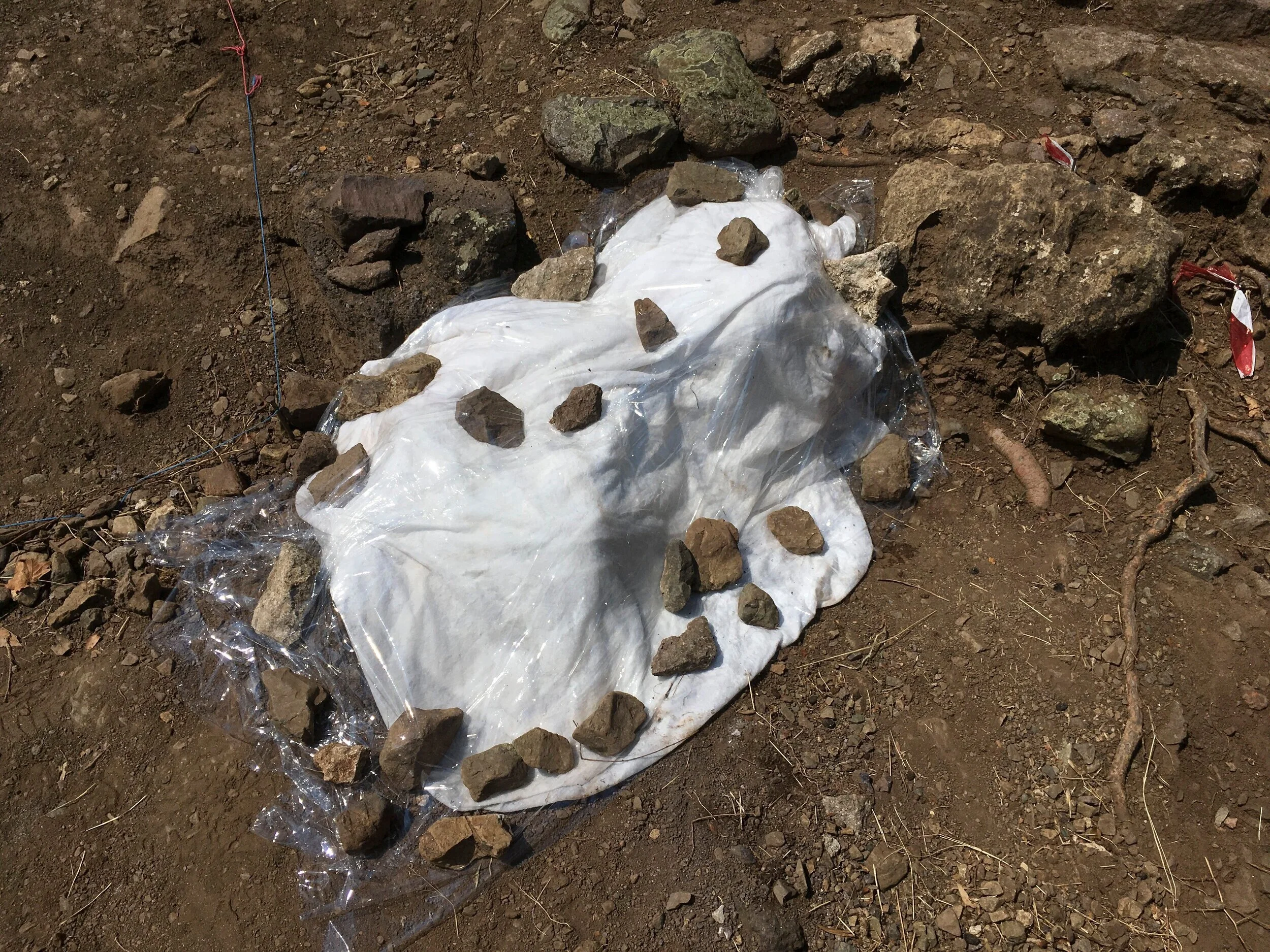
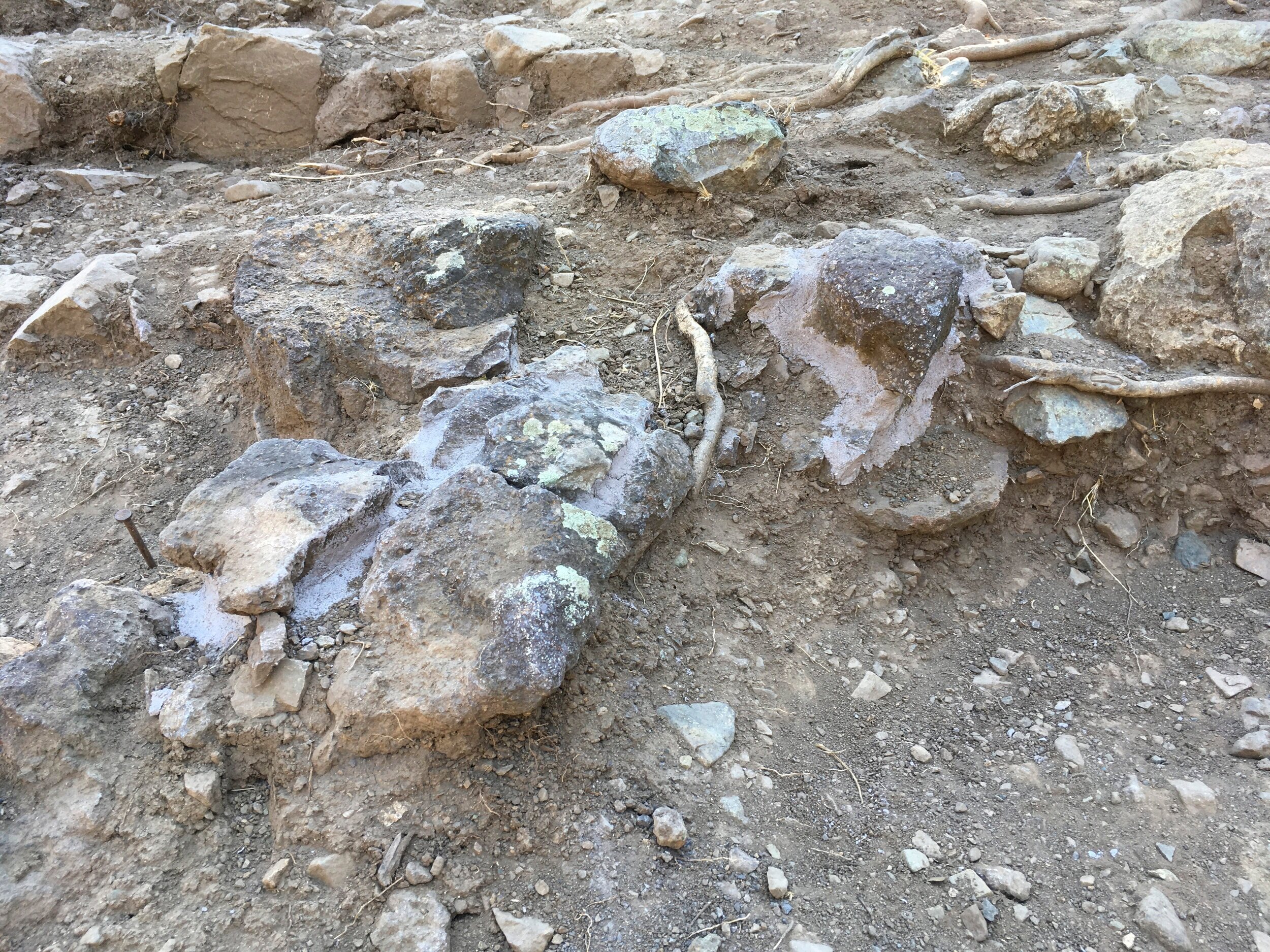
Stabilization of a Rhyolite Seat Base in the Theater
Computation Imaging
In addition to the work on site and in the laboratory, I also started my own research project at Selinunte focusing on computation imaging, photogrammetry and reflectance transformation imaging, for a set of terracotta figurines found during the summer of 2018 and previous excavation seasons. One of the most interesting terracotta objects is a statuette with a meandering pattern on the neckline, considered to be part of the Daedalic style originating in Crete.